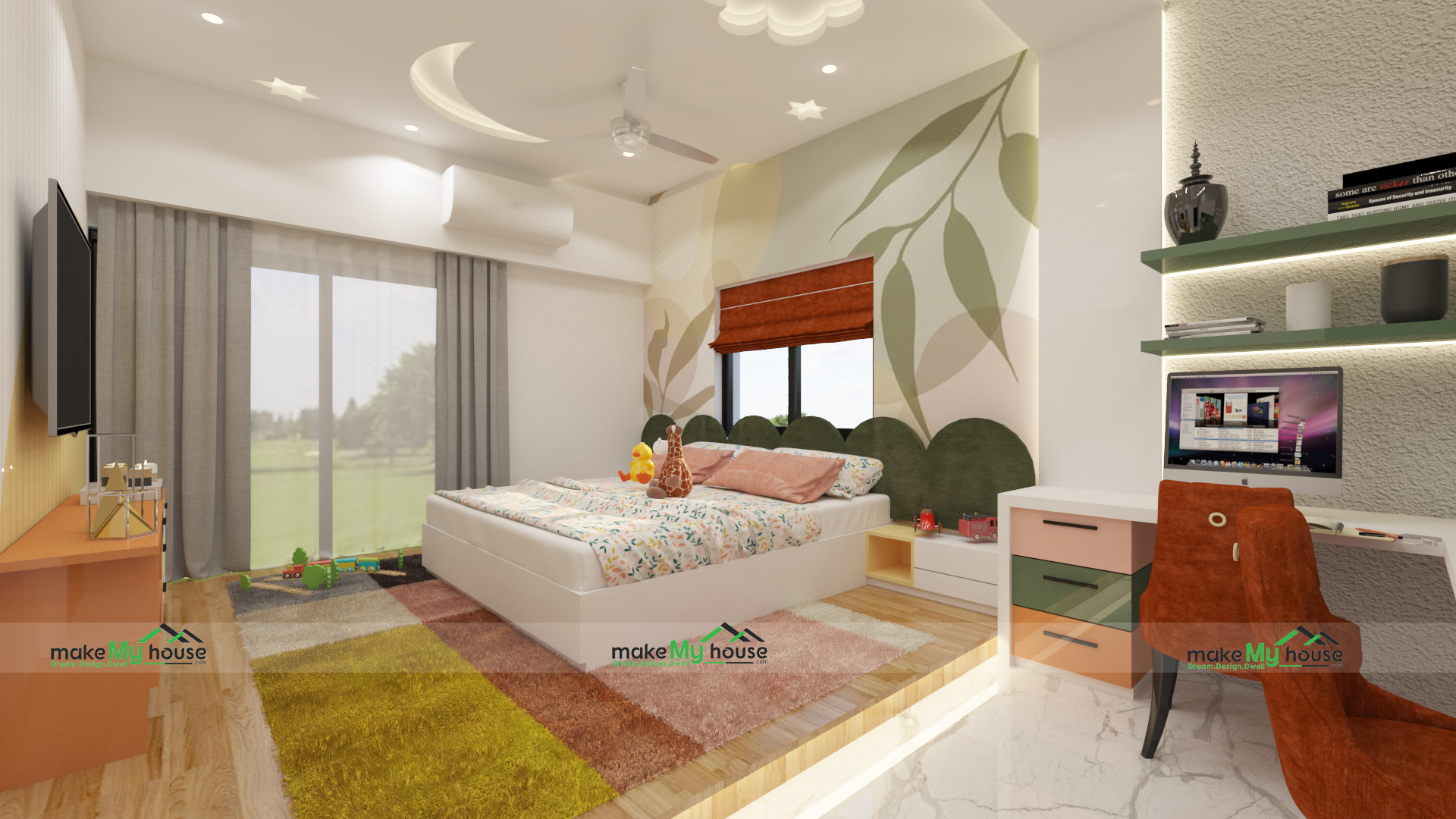




Keeping your house cool in summer without AC is possible with simple steps like roof heat control, proper ventilation, light colors, and smart use of curtains and plants. With the right design choices and daily habits, you can reduce heat naturally and stay comfortable while saving electricity.
It starts getting hot and it feels like a home oven.
Fan on full speed…still hot.
If you run AC then the tension of the bill is different.
I’ve seen this problem in so many homes especially top floors and west-facing houses. And honestly, only AC is not the solution.
Real solution is smart cooling + better home planning.
You can keep your house cool enough even without AC… you just have to use the right techniques.
Let’s break down how to keep your house cool in summer without AC in a practical, real-life way.
Why Your House Gets Too Hot in Summer
First of all it is important to understand what is the problem.
Heat mainly comes from:
- From the roof (direct sunlight)
- From the walls (especially west side)
- From Windows (glass traps heat)
- Poor ventilation
I’ve visited homes where the roof absorbs so much heat that the room does not cool even at night.
Good news?
Its solution was not expensive.
Step-by-Step: How to Keep Your House Cool in Summer Without AC
Step 1: Control Heat from Roof (Most Important)
Roof is the biggest heat source.
If roof control is done… then half problem solved.
Easy solutions:
- White roof coating (reflects heat)
- China mosaic tiles
- Temporary solution: wet gunny bags or water sprinkling
On one site we just applied white coating… the room temperature dropped noticeably.
Step 2: Use Curtains & Blinds Smartly
Direct sunlight = heat entry.
What works:
- Thick curtains
- Bamboo blinds
- Keep curtains closed during afternoon
This simple step makes the room feel cooler instantly.
Step 3: Improve Cross Ventilation
Air movement is very important.
Do this:
- Place windows on opposite walls
- Keep doors open evening time
- By using exhaust fans
Without ventilation, heat trap occurs.
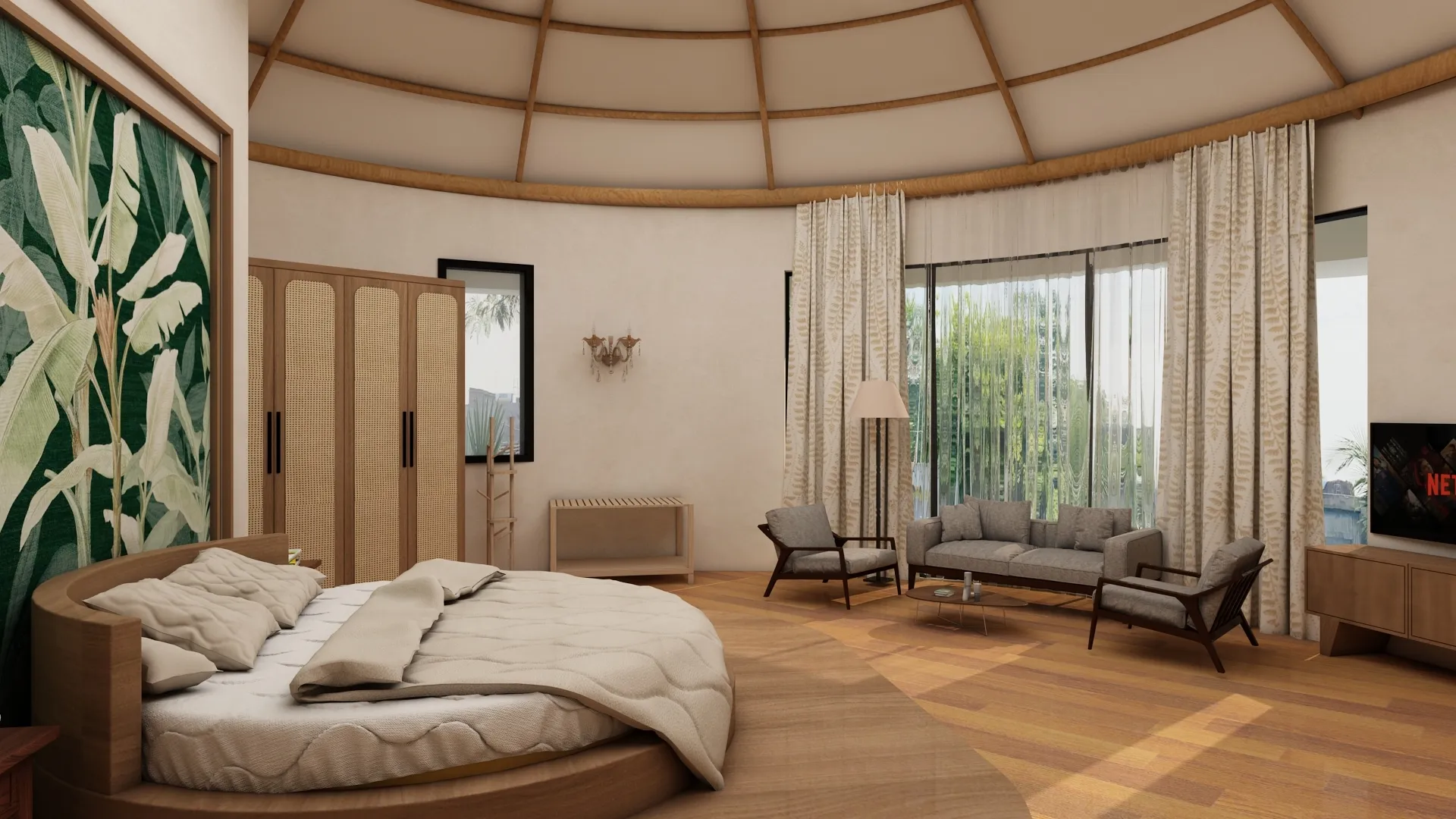
Step 4: Switch to Light Colors
Dark colors absorb heat.
Use:
- White
- Beige
- Pastel shades
Changing the color of your walls and roof also affects the temperature.
Step 5: Reduce Indoor Heat Sources
Ever noticed?
Heat is generated inside the house, too.
Avoid:
- Heavy cooking during the day
- Incandescent bulbs
- Running unnecessary electronics
- Use LED lights they generate less heat.
Step 6: Use Plants for Natural Cooling
Plants aren’t just for decoration.
- Best options:
- Money plant
- Areca palm
- Tulsi
Placing plants near balconies or windows improves both the temperature and air quality.
Step 7: Cool Your Floors Naturally
Floors store heat as well.
Try this:
- Mop with cold water
- Use cotton rugs
- Keep floors bare (fewer carpets)It
seems simple… but it is quite effective.
Step 8: Night Cooling Trick
Make use of the nighttime hours.
What to do:
- Keep windows open
- Let the cool air flow in
- The heat dissipates by morning
I’ve personally tried this the rooms feel cool in the morning.
Construction-Level Cooling Tips (Long-Term Solution)
If you are building a new home or undertaking renovations, you *must* follow these tips:
Proper Orientation
- East-facing homes tend to stay cooler
- Protect west-facing walls
Wall Insulation
- Double walls
- Cavity wallsThis minimizes heat transfer.
Terrace Garden Option
- A layer of greenery keeps the roof cool
Sunshades & Chajjas
Blocks direct sunlight from hitting the windows
I’ve seen houses with these features… they naturally stay cooler, even during the peak of summer.
Real Experience Tips & Pro Advice
These are small cheeses… but they make a real difference:
Keep the windows closed in the afternoon
hot air won’t stop
By checking ceiling fan direction
Anti-clockwise rotation improves cooling
Use cotton bedsheets
Does synthetic heat trap?
Water bowls in room
Some humidity is created, cooling feel is felt.
Common Mistakes to Avoid
Keeping Windows Open All Day
The reverse effect has occurred in summer.
Using Dark Curtains
Heat can be absorbed instead of blocking.
Ignoring Roof Treatment
The biggest heat source is ignored.
Overuse of Appliances
No ventilation planning
Closed homes always feel hotter.
FAQs
1. Can I really keep my house cool without AC?
Yes, with proper ventilation, roof treatment, and simple cooling methods.
2. What is the fastest way to cool a room?
Close curtains, turn off heat sources, and allow airflow in evening.
3. Does roof color affect temperature?
Yes, light-colored roofs reflect heat and keep home cooler.
4. Are plants useful for cooling?
Yes, they improve air quality and reduce surrounding temperature.
5. Which direction house is cooler?
East-facing houses are generally cooler than west-facing ones.
6. How to reduce heat from walls?
Use insulation, light paint, and external shading.
7. Is false ceiling helpful in summer?
Yes, it reduces direct heat transfer from roof.
8. Can I reduce electricity bills with these tips?
Yes, less AC usage means lower bills.
Conclusion
Keeping the house cool does not depend only on AC…
It depends on how smartly you manage heat.
I’ve seen homes without AC feel comfortable…
and homes with AC still feel hot.
The difference is always in planning and small daily habits.
If you follow:
- roof cooling
- Proper ventilation
- light colors
- Smart usage of space
You can easily keep your home cool even in peak summer.
And the best part?
You save electricity… and stay comfortable naturally.