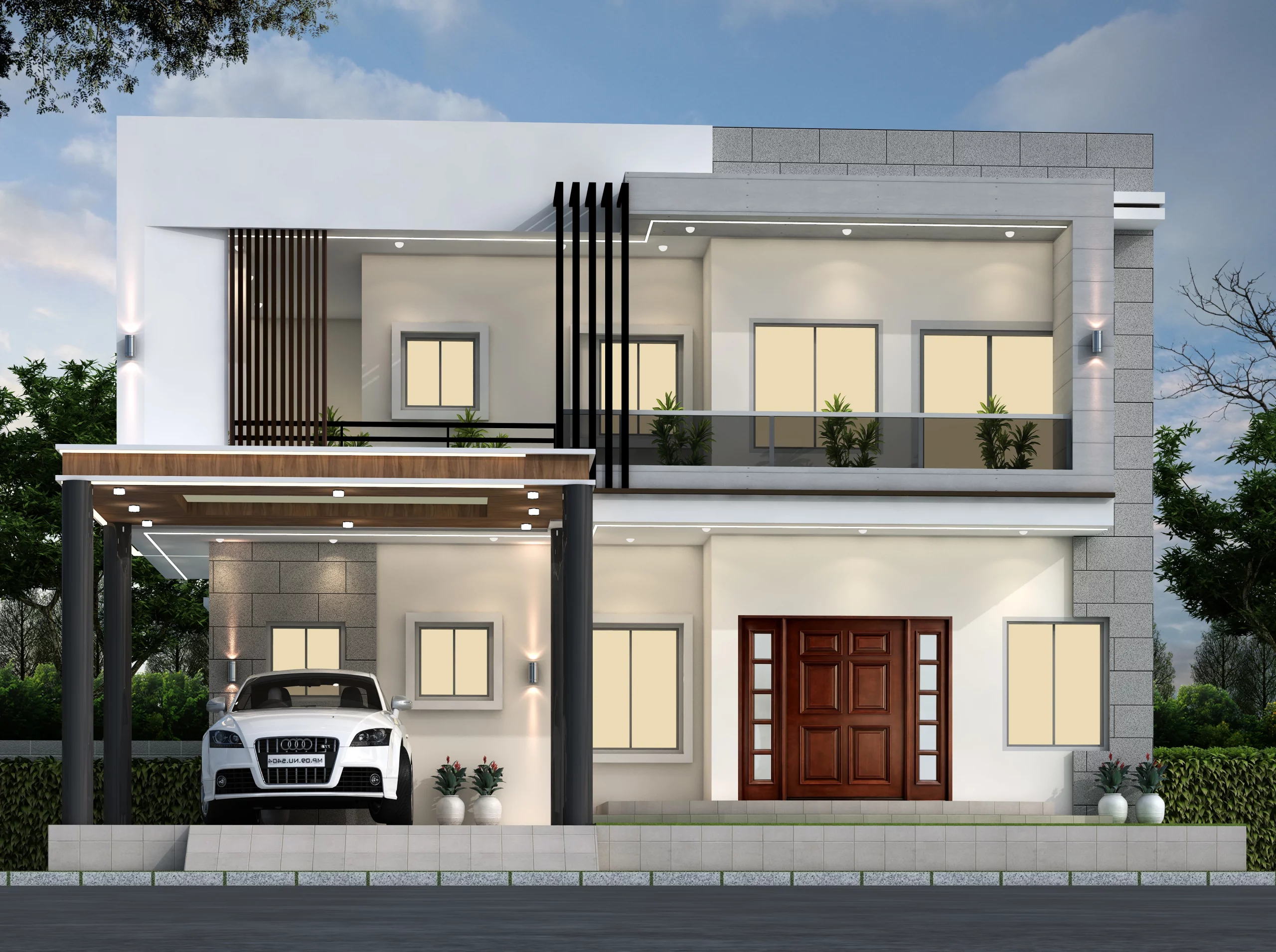
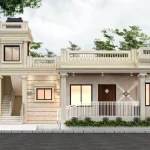
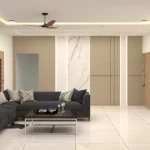
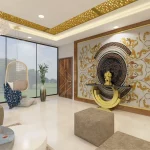
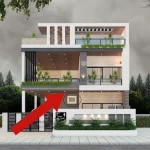
Whether the plot is small… the budget is limited… yet the front of the house still needs to look “wow” this is the expectation of almost every client. But what happens in reality?
The same old box-like designs, heavy colors, and random elements are simply tacked on. The result? The house ends up looking both small and outdated.
I have observed this pattern in numerous small-house projects. People tend to focus heavily on the interiors, while either copying the front elevation from somewhere else or leaving it as an afterthought to be decided at the very end.
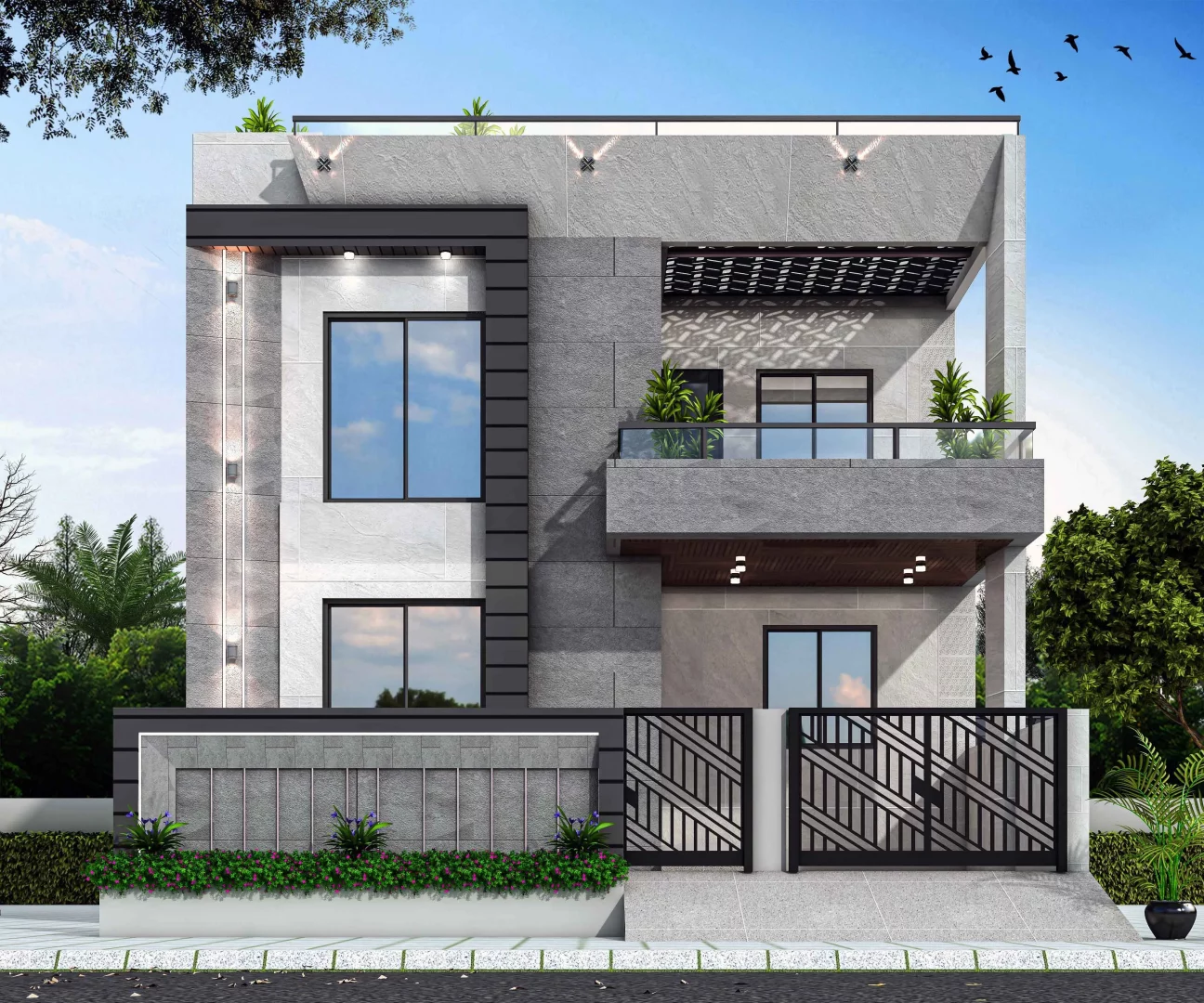
The truth is if the elevation is smartly planned, even a house of just 600–1000 sq ft can exude a premium feel.
In this blog, we will discuss the Best Front Elevation Design Ideas for Small Houses ideas that are simple, practical, and grounded in real-world project experience.
What is a Front Elevation? A Simple Explanation
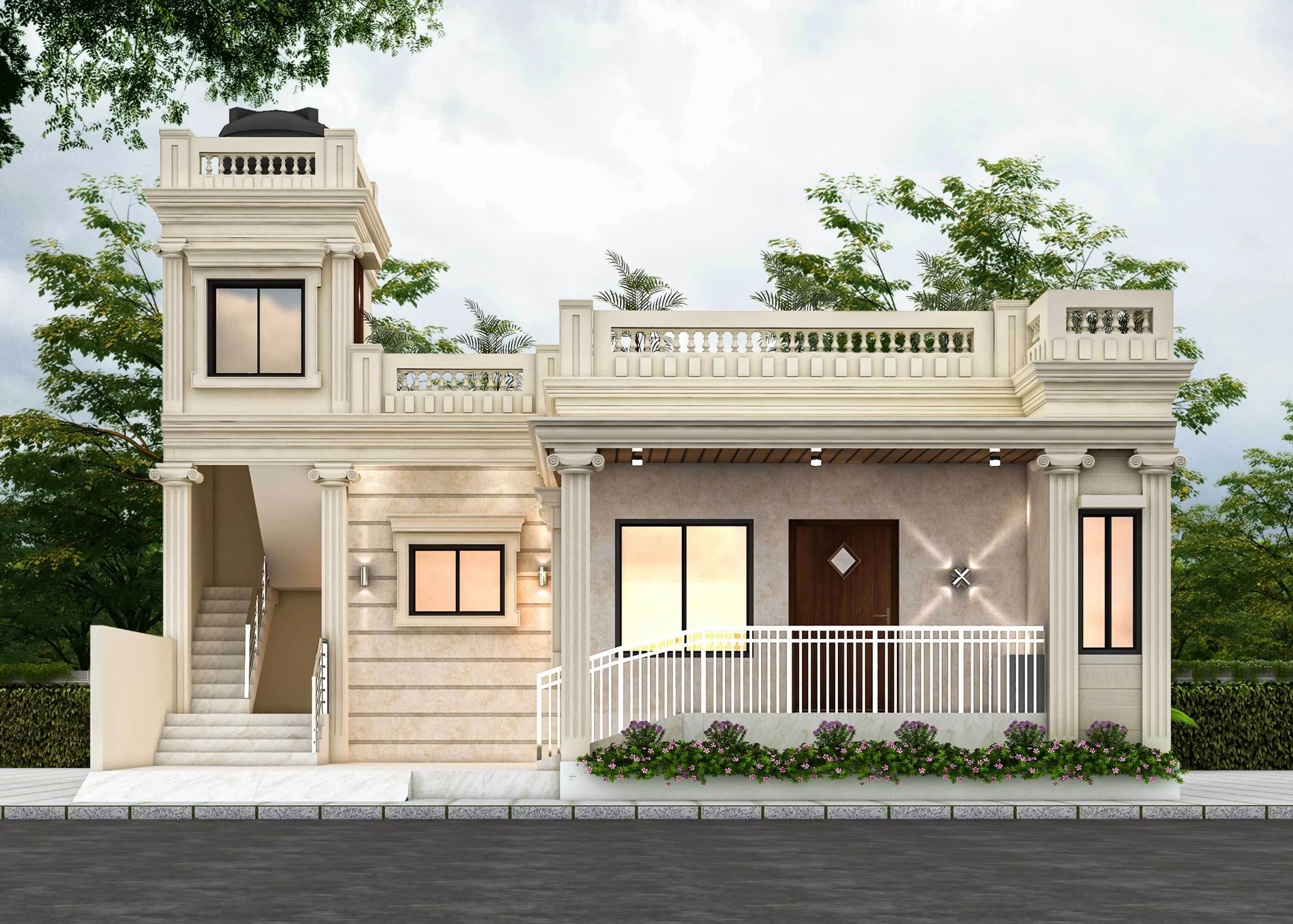
The front elevation is essentially the “face” of the house.
- It is what is visible from the road.
- It creates the first impression.
- It establishes the identity of your home.
It encompasses the following elements:
- Wall design
- Balconies
- Window placement
- Colors & materials
- Gate & entry
In a small house, the elevation becomes even more critical because the available space is limited.
Best Front Elevation Design Ideas for Small Houses – The Core Concept
The simple rule for designing the elevation of a small house is this:
Keep it clean, balanced, and purposeful.
Adding too many elements only makes the design look cluttered and heavy.
I witnessed this firsthand in a 30×40 project: the initial design incorporated 5–6 different materials. In the final version, we restricted it to just two materials and simple lines and the look of the house instantly transformed into something premium.
1. Minimalist Front Elevation Design
This is arguably the most effective approach for small houses.
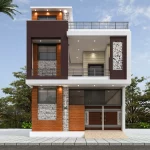
- Clean, straight lines
- Limited color palette
- Simple geometric forms
A minimalist design offers several advantages:
- It is easy to maintain.
- It provides a timeless aesthetic.
- It makes the space appear visually larger.
2. The Use of Vertical Elements
Want to make a small house appear taller?
- Incorporate vertical lines.
- Vertical grooves
- Tall decorative panels
- Slender columns
This is a trick I personally employ whenever the frontage of the plot is narrow.
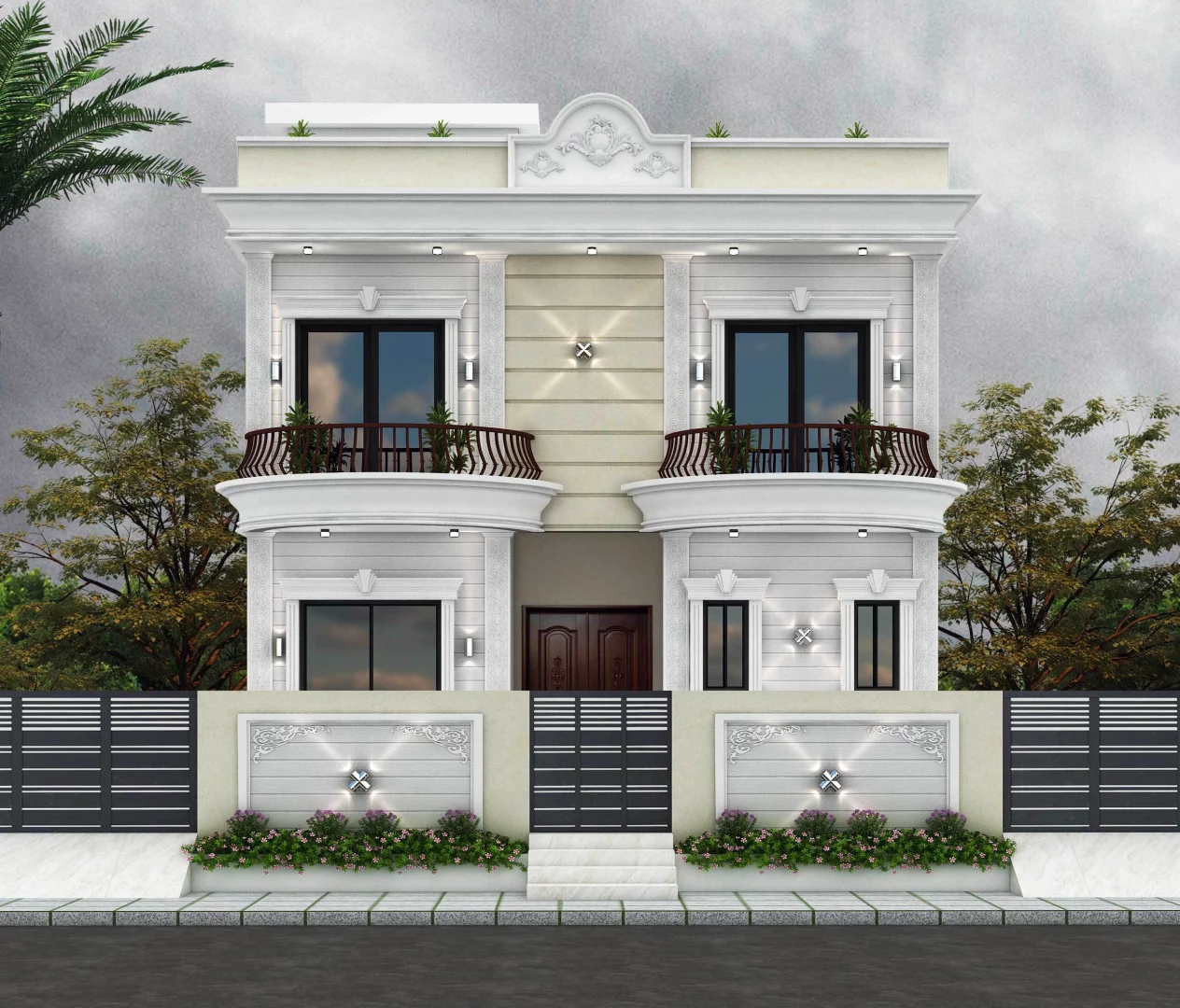
3. Smart Balcony Design
If you have balcony space, make sure to highlight it.
- Use glass railings
- Opt for simple metal railings
- Add planter boxes
The balcony can serve as a focal point for the elevation.
4. Keep Material Combinations Simple
Using too many different materials is one of the biggest mistakes.
Best combinations:
- Paint + textured panels
- Stone cladding + plain walls
- Wood finishes + white
I’ve observed that a combination of just two materials tends to look the most balanced.
5. Choose a Neutral Color Palette
- Color directly influences perception.
- Opt for white, beige, grey, and earthy tones
- Reserve dark colors strictly for accents
In small houses, avoid using bright or dark colors across the entire facade.
6. Highlight the Elevation with Lighting
The night view is just as important as the daytime look.
- Wall-mounted lights
- Up-down lights
- Gate lighting
Even a simple elevation can exude a luxurious feel with the right lighting.
7. Don’t Overlook the Gate Design
The gate constitutes a major part of the front elevation.
- A simple metal gate
- Horizontal slats
- Minimalist patterns
A heavy, ornate designer gate often looks out of place on a small house.
8. Plan Window Placement Thoughtfully
Windows aren’t just for ventilation they also serve as key design elements.
- Symmetrical placement
- Clean, crisp frames
- Proper size proportions
Random window placement can make the elevation look unbalanced.
9. Add Textured Panels (Use Sparingly)
Textures or cladding can create a distinct focal point.
- Use them on the entrance wall
- Apply them near the balcony area
Overuse can make the design look cluttered or “heavy.”
10. Incorporate Green Elements
Plants breathe life into an elevation design.
- Vertical gardens
- Balcony planters
- Entrance pots
I’ve personally witnessed how greenery can completely transform the overall feel of a home.
Step-by-Step: How to Plan a Small House Elevation
If you are designing from scratch, follow these steps:
Step 1: Understand the plot size and frontage dimensions
Step 2: Decide on the number of floors
Step 3: Finalize the placement of balconies and windows
Step 4: Choose your material palette
Step 5: Finalize the color scheme
Step 6: Add a lighting plan
This structured approach helps minimize confusion and ensures a cohesive design.
Real-World Tips
✔ Tip 1: Stick to a maximum of 2–3 colors
Too many colors = a messy look
✔ Tip 2: Proportion is paramount
Large design elements look out of place in a small house
✔ Tip 3: Design with maintenance in mind
Plan for the cleaning and upkeep of stone and glass surfaces
✔ Tip 4: Plan for future floors as well
If you intend to add another floor in the future, keep the elevation design flexible
Common Mistakes in Small House Elevation Design
❌ Over-designing
Excessive patterns and materials make the design look cluttered and heavy
❌ Using “Copy-Paste” elevations
Every plot is unique; a generic design won’t fit perfectly
❌ Choosing the wrong color combinations
Bright colors tend to look outdated very quickly
❌ Mismatch between the gate and the building
This breaks the continuity of the design
❌ Neglecting lighting
The house looks dull and unappealing at night
Best Front Elevation Design Ideas for Small Houses – Quick Summary
To put it simply:
- Minimalist design
- Vertical elements
- Neutral colors
- Cited Materials
- Smart Lighting
If you follow these 5 tips, your elevation will automatically exude a premium feel.
FAQs –
1. Which elevation style is best for a small house?
Minimalist and modern elevations are best suited for small houses.
2. How many colors should be used?
2–3 colors are sufficient to achieve a clean look.
3. Can stone cladding be used?
Yes, but use it in limited areas.
4. Is a balcony important for an elevation?
Yes, a balcony can serve as a focal point.
5. What is the role of lighting?
Lighting highlights the elevation at night.
6. What should the gate design look like?
Simple, and complementary to the elevation.
7. How can a small house be made to look bigger?
Use vertical elements and light colors.
8. Should greenery be added?
Yes, greenery adds a natural look and a sense of freshness.
Conclusion
Having a small house does not mean you have to compromise.
If you correctly apply these “Best Front Elevation Design Ideas for Small Houses,” even a small home can look classy, modern, and truly stand out.
I have observed this time and again in my own projects: where the design is simple and well-planned, the home’s aesthetic automatically feels strong and impactful. Conversely, where unnecessary elements are added, the design tends to feel cluttered and heavy.
Ultimately, the simple truth is this: when it comes to elevation design, balance not ostentation is what truly matters.