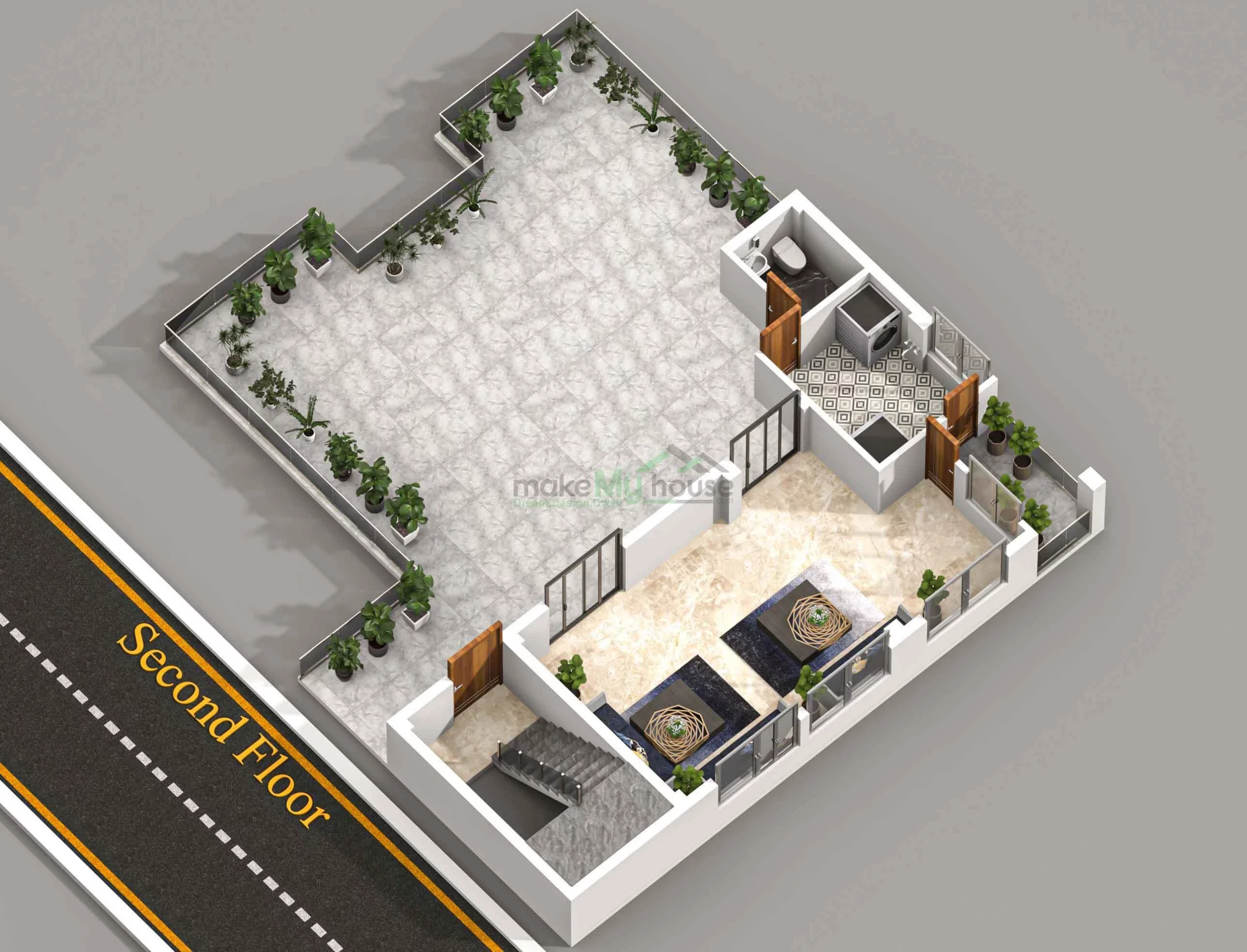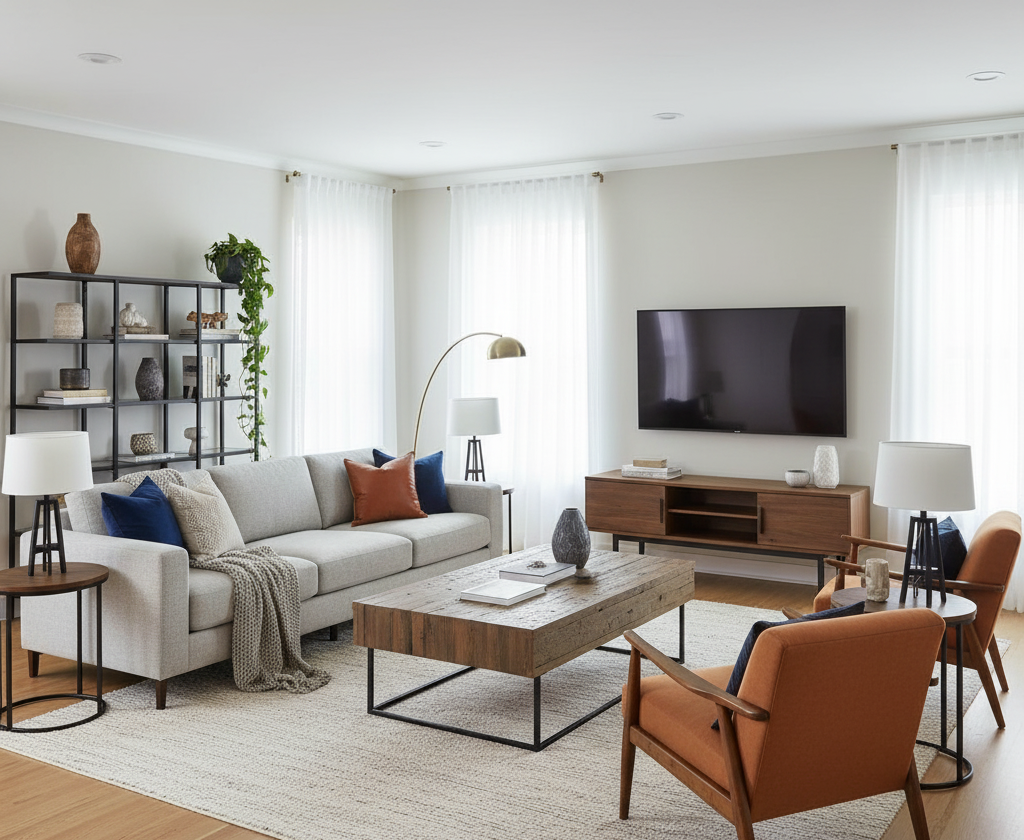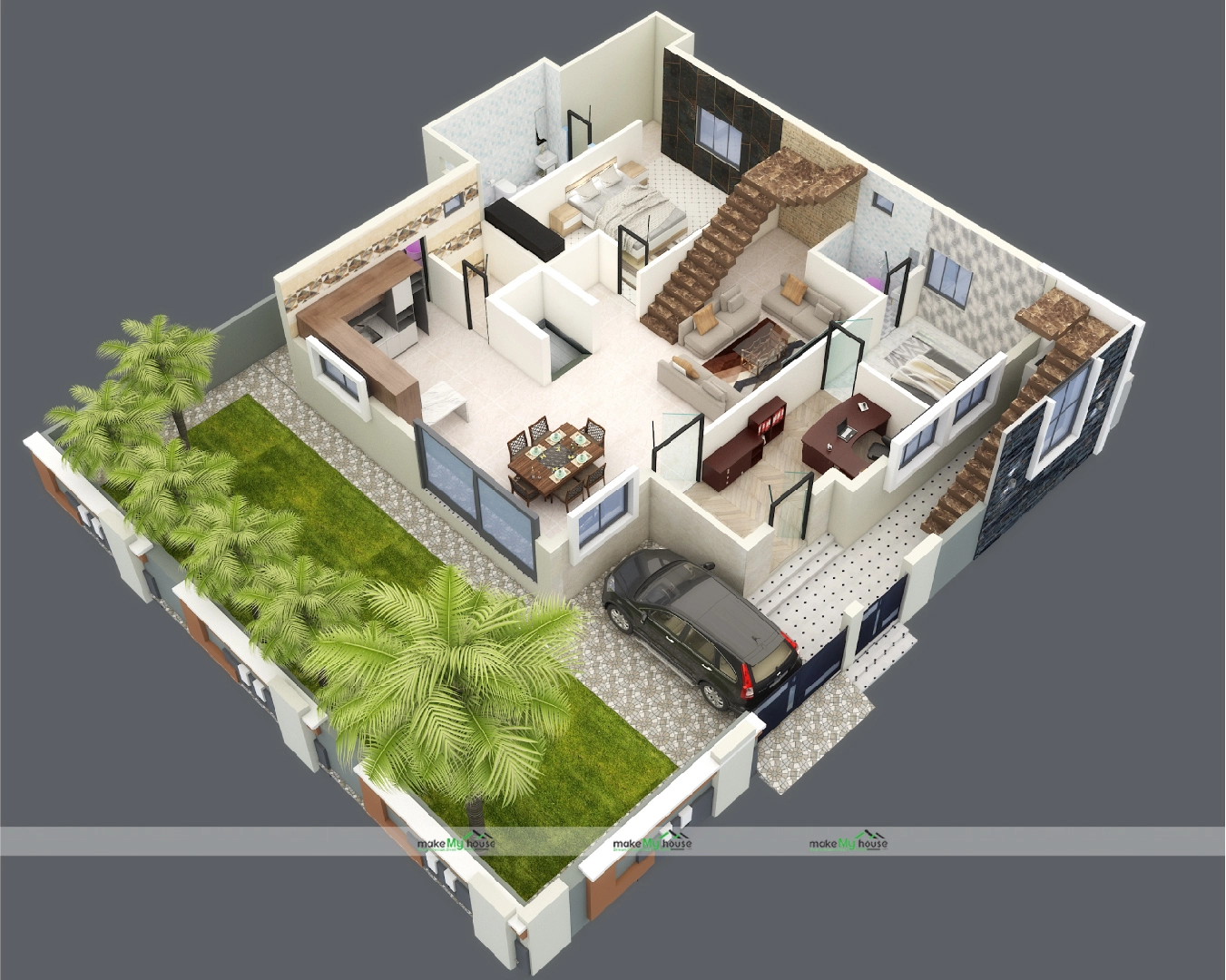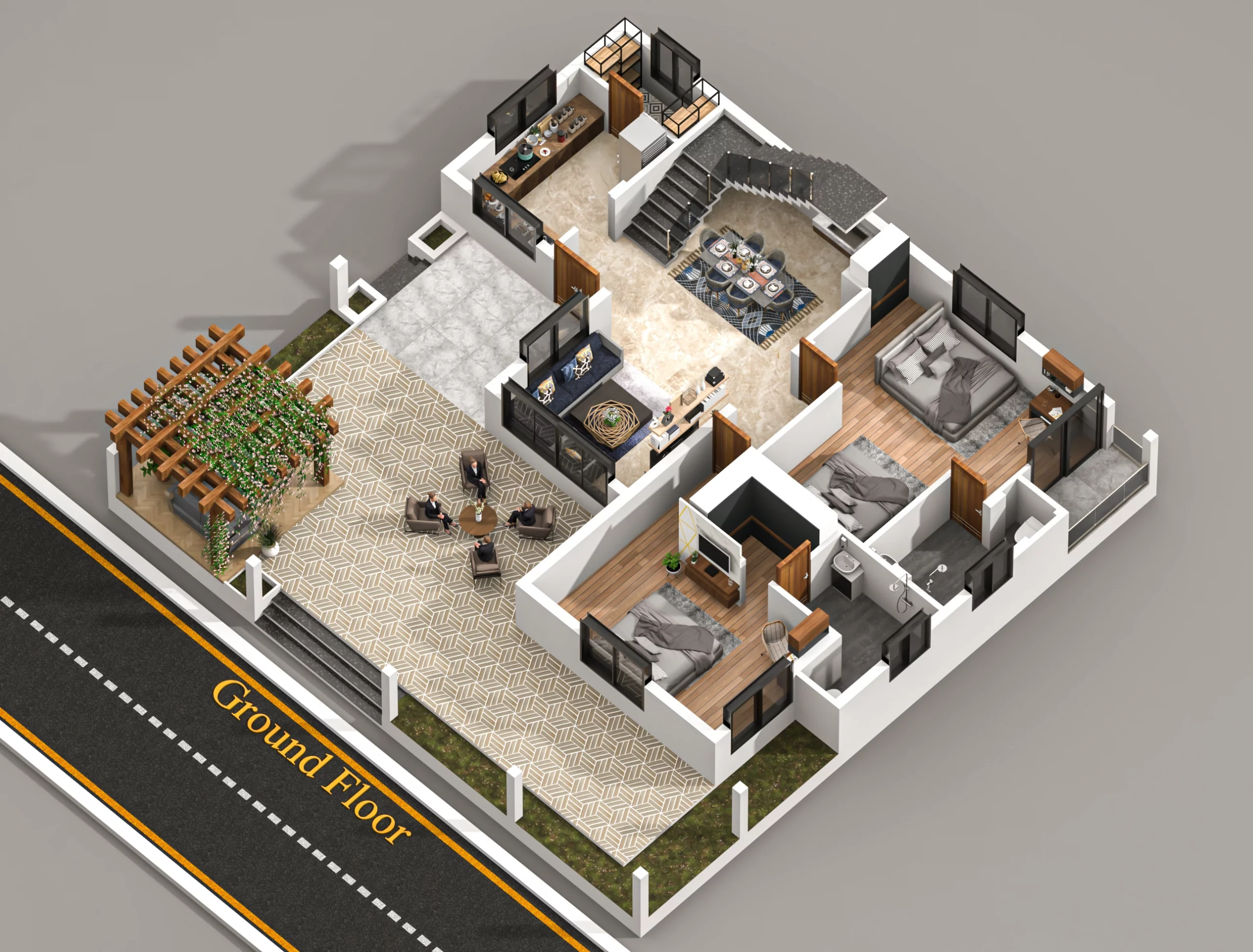
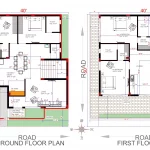


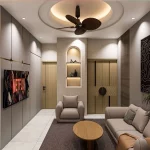


This blog explains smart floor planning tips to maximize space by improving layout, zoning, and movement within a home. It highlights practical ideas like open layouts, proper furniture planning, and better light and ventilation. The key takeaway is that smart planning can make any home feel more spacious without increasing its size.
“The room is big… so why does it still feel like there isn’t enough space?”
Almost every homeowner faces this confusion.
The square footage is adequate.
The number of rooms is exactly right.
Yet, the home still gives off a vibe that feels like:
- “It feels a bit cramped.”
- “Storage is becoming an issue.”
- “Movement isn’t smooth.”
I have personally visited many homes where even a 1,500 sq ft house feels tight…
while some 900 sq ft homes feel surprisingly spacious.
The difference?
Smart floor planning.
If the planning is smart:
The space automatically feels larger.
Daily movement becomes effortless.
Clutter remains under control.
Let’s understand this in simple terms:
Smart floor planning tips that can make your home feel spacious without actually increasing its size.
What is Smart Floor Planning?
Smart floor planning isn’t just about arranging rooms.
It means:
Maximizing space utilization.
Ensuring smooth movement.
Implementing proper zoning.
Optimizing the flow of light and ventilation.
In a nutshell:
“A floor plan should be designed to make the home easy to live in.”
- Why Smart Floor Planning is Important
If the floor planning is poor:
Space gets wasted.
- Rooms appear cluttered.
- Privacy is compromised.
- If the planning is strong:
- The home feels organized.
The space visually appears larger.
Living becomes comfortable.
Smart Floor Planning Tips to Maximize Space
1. Adopt an Open Layout Concept
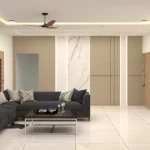
- Combine the living and dining areas.
Benefit:
The space visually appears twice as large.
Light spreads more effectively.
Real-Life Experience:
In a 2BHK project, we removed a wall to create an open layout…
and the client remarked, “The house feels twice its actual size!”
2. Implement Proper Zoning
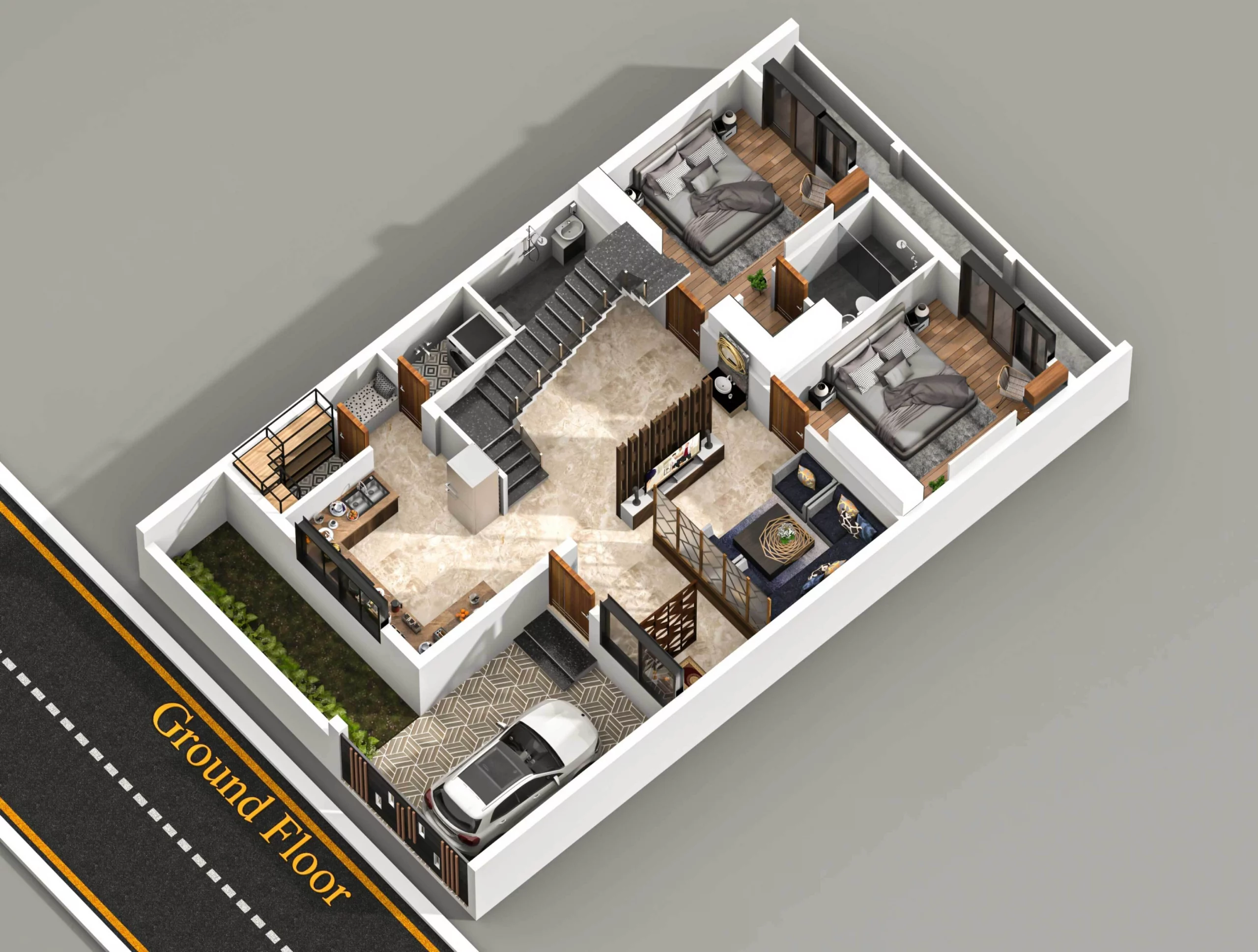
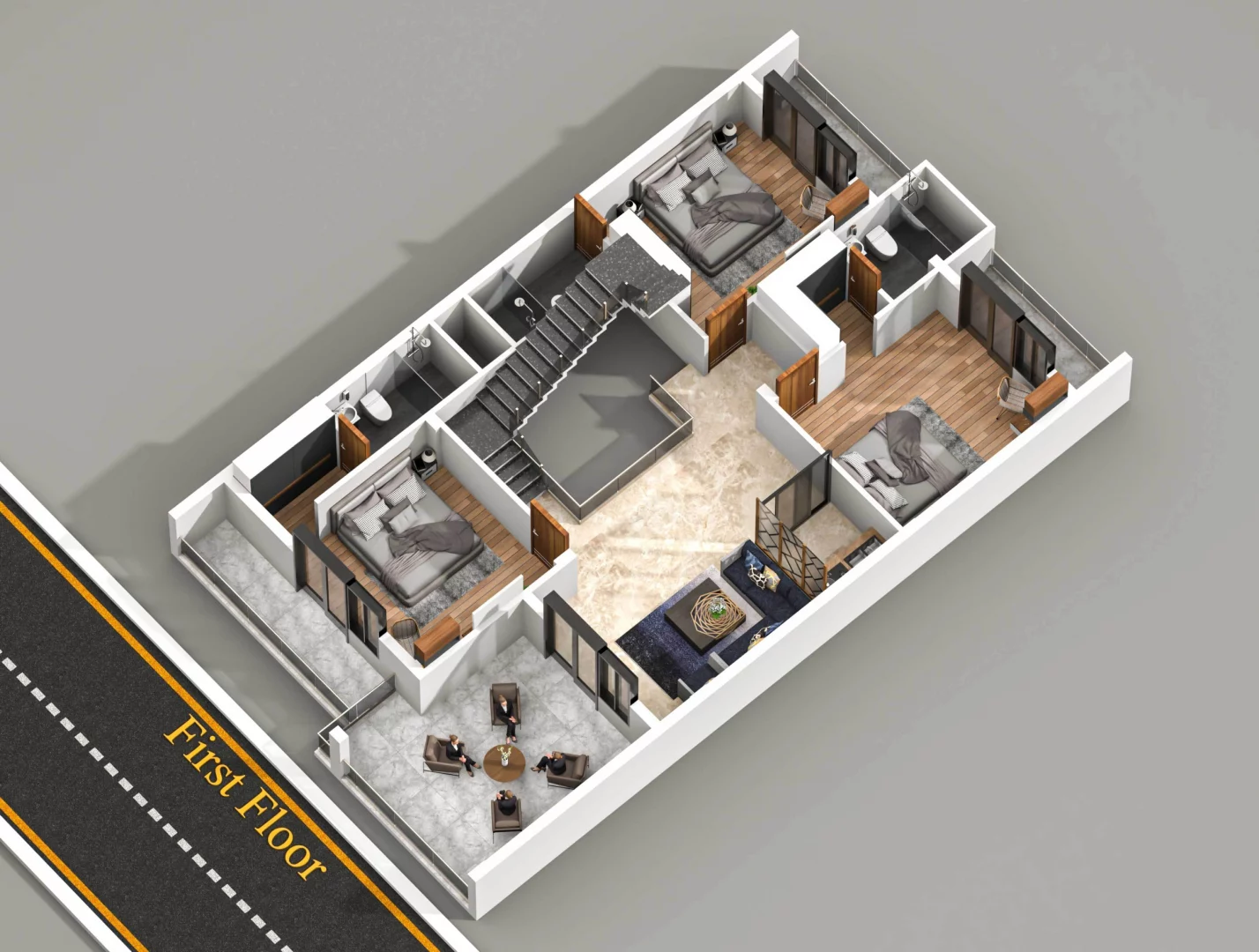
- Divide your home into:
- Public areas (living room)
- Private areas (bedrooms)
Service areas (kitchen, bathrooms)
Result:
- Better organization.
- Privacy is maintained.
3. Avoid Dead Space
Common mistakes:
Long, empty corridors.
Unused corners.
Tip:
Every corner should serve a purpose. 4. Plan Multi-Functional Spaces
Example:
Guest room + study
Dining + workspace
Benefit:
Same area, double use.
5. Pre-Plan Furniture Layout
Not after construction…
decide first.
Why?
- Proper space allocation is hota hai
- No awkward placement
6. Use Sliding Doors
Traditional doors take up space.
Sliding doors:
- You can save space
- Gives modern look
7. Use vertical space
Don’t ignore the walls.
Use:
- Tall wardrobes
- Wall shelves
8. Keep Circulation Clear
Walking space has become important.
Rule:
Keep proper gap between furniture.
9. Optimize Light & Ventilation
Keep Windows placement smart.
Tip:
North and East openings are best.
10. Minimal Corridor Design
Corridors are a waste of space.
Solution:
Plan direct room connections.
11. Use consistent flooring
Different flooring breaks up the space.
Result:
Single flooring → bigger visual space
12. Consider Open Kitchen Concept
Especially in small homes.
Benefit:
Interaction easy
Step-by-Step: How to Plan a Smart Floor Layout
Step 1: Understand Plot Orientation
Sun direction + road facing is important.
Step 2: Analyze Lifestyle
Family size
Work-from-home needs
Storage requirement
Step 3: Draw Rough Layout
Create basic zoning.
Step 4: Decide Furniture Placement
Before finalizing the plan.
Step 5: Check Movement Flow
The path from entry door to bedroom should be smooth.
Step 6: Optimize the final plan
By removing unnecessary walls.
Real Experience Tips
Keep Entry View Open
Open space visible from the entrance.
Keep the ceiling simple
Heavy ceiling compresses the room.
Use Mirrors Smartly
Reflection makes space appear bigger.
Choose light colors
White, beige, pastel shades are best.
Pro Tip
“By spending an extra hour on the floor plan… you can save lakhs in construction.”
Common Mistakes in Floor Planning
1. Overdesign
2. No Storage Planning
Later clutter has been created.
3. Ignore Furniture
There is a mismatch between plan and reality.
4. Dark Interiors
Space feels compact.
5. Poor ventilation
The house feels heavy and suffocating.
6. No Future Planning
No space left for expansion.
Smart Design Hacks to Maximize Space
Use Glass Partitions
Open feel is maintained.
Floating Furniture
Floor remains visible → feel bigger.
Hidden Storage
Clean look is maintained.
indoor plants
Freshness + openness is added.
FAQs –
1. What is smart floor planning?
It is designing a layout to maximize space, comfort, and usability.
2. How can I make my home look bigger?
Use open layouts, light colors, and minimal furniture.
3. Is open layout good for all homes?
Mostly yes, especially for small and medium homes.
4. Why is zoning important?
It separates public and private areas.
5. Should I plan furniture before construction?
Yes, it helps in better space utilization.
6. Does floor planning affect cost?
Yes, good planning reduces waste and cost.
7. Can small homes feel spacious?
Yes, with smart floor planning.
Final Thoughts
The size of a home is fixed…
but you can control how it feels.
I have personally witnessed this
two homes of the exact same size:
one cluttered
one perfectly spacious
The difference?
Smart floor planning.
If you focus on the planning stage:
Your home will feel larger
It will remain comfortable
You will experience long-term satisfaction
In the end, remember one simple thing:
“To enhance the sense of space, you don’t need to increase the area… you need to change the planning.”
Related Posts: