Make My House > How Elevation Design Impacts Property Value

How Elevation Design Impacts Property Value

How Elevation Design Impacts Property Value How Elevation Design Impacts Property Value

Elevation design plays an important role in shaping the first impression of a house and can directly influence its property value. A well-planned exterior with balanced colors, textures, and architectural elements can make a home look more attractive and premium. Good elevation design not only improves visual appeal but also increases buyer interest and overall market value.

You visit two houses in the same neighbourhood.

Both plots are almost the same size. Both homes have similar floor plans. But one house immediately feels premium. The other feels ordinary.

What made the difference?

Most of the time, it is the elevation design.

The front look of a house plays a bigger role than many homeowners realize. I have personally seen cases where buyers showed more interest in a house simply because the elevation looked modern and well-planned.

A good elevation design does more than make your home look attractive. It can directly influence how people perceive your property value.

Let’s understand how elevation design impacts property value and why it matters so much when building or renovating a house.

What is Elevation Design in a House?

Before discussing value, let’s keep the concept simple.

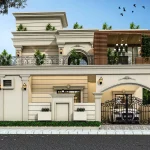
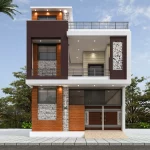
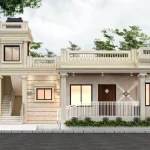
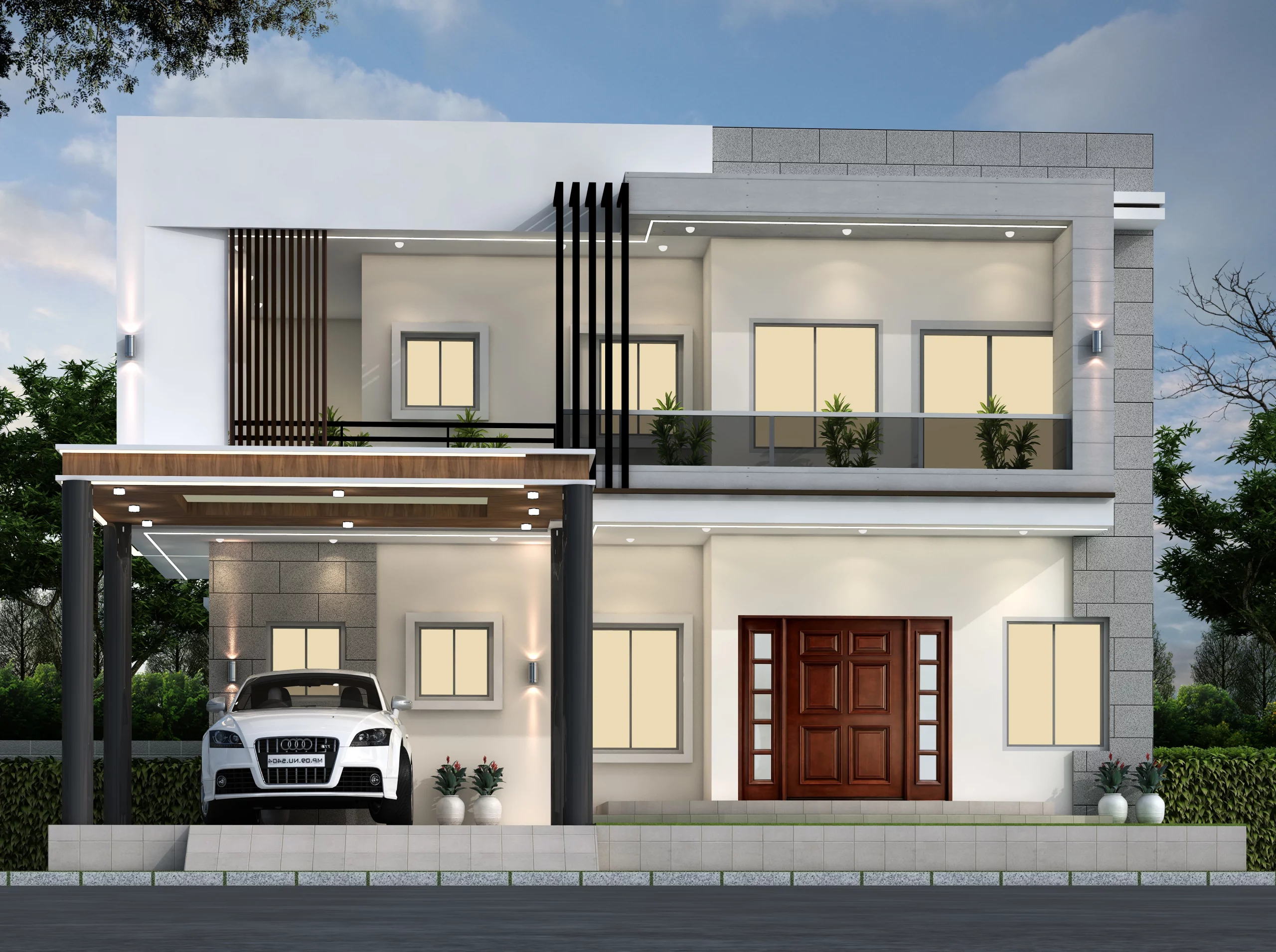
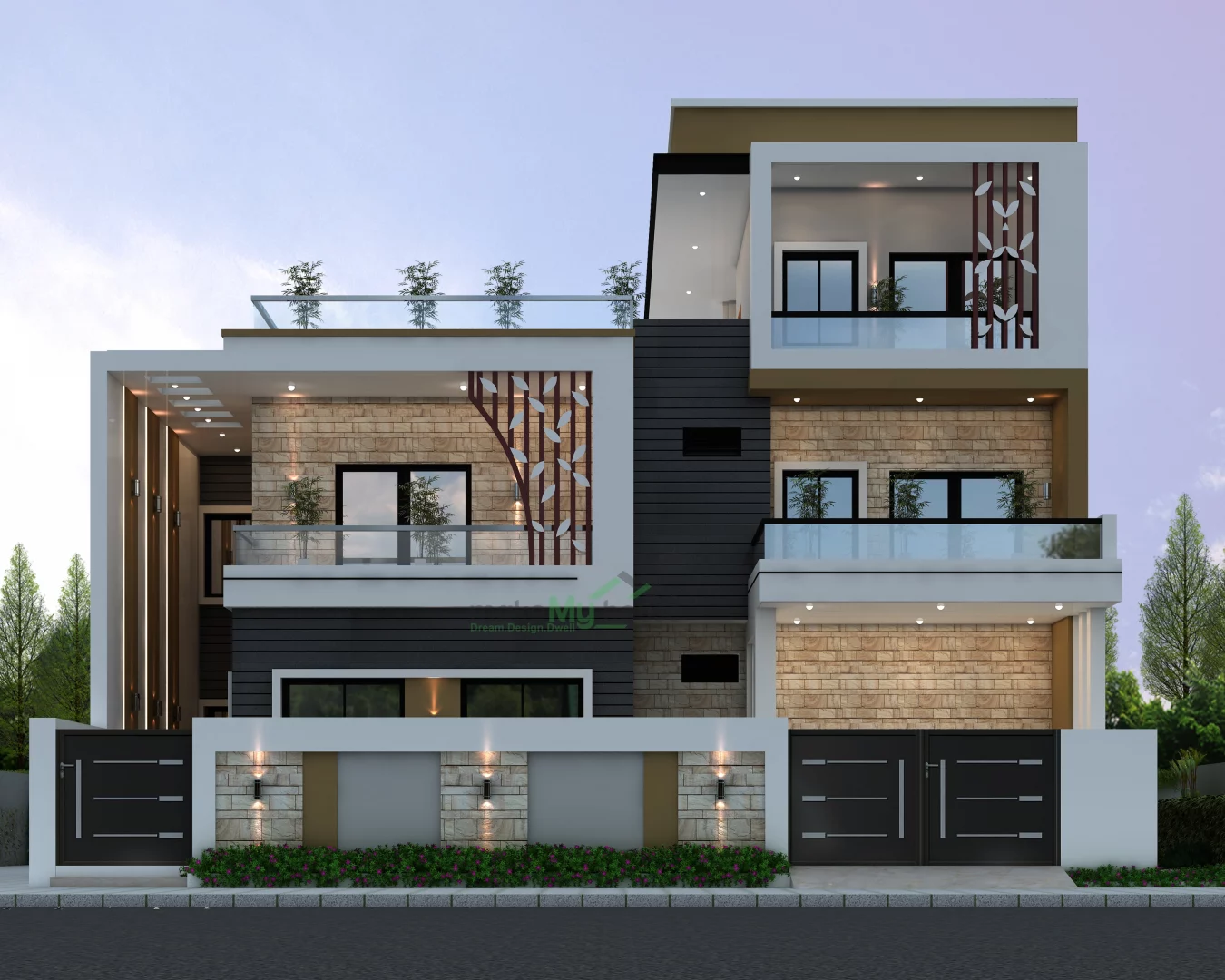
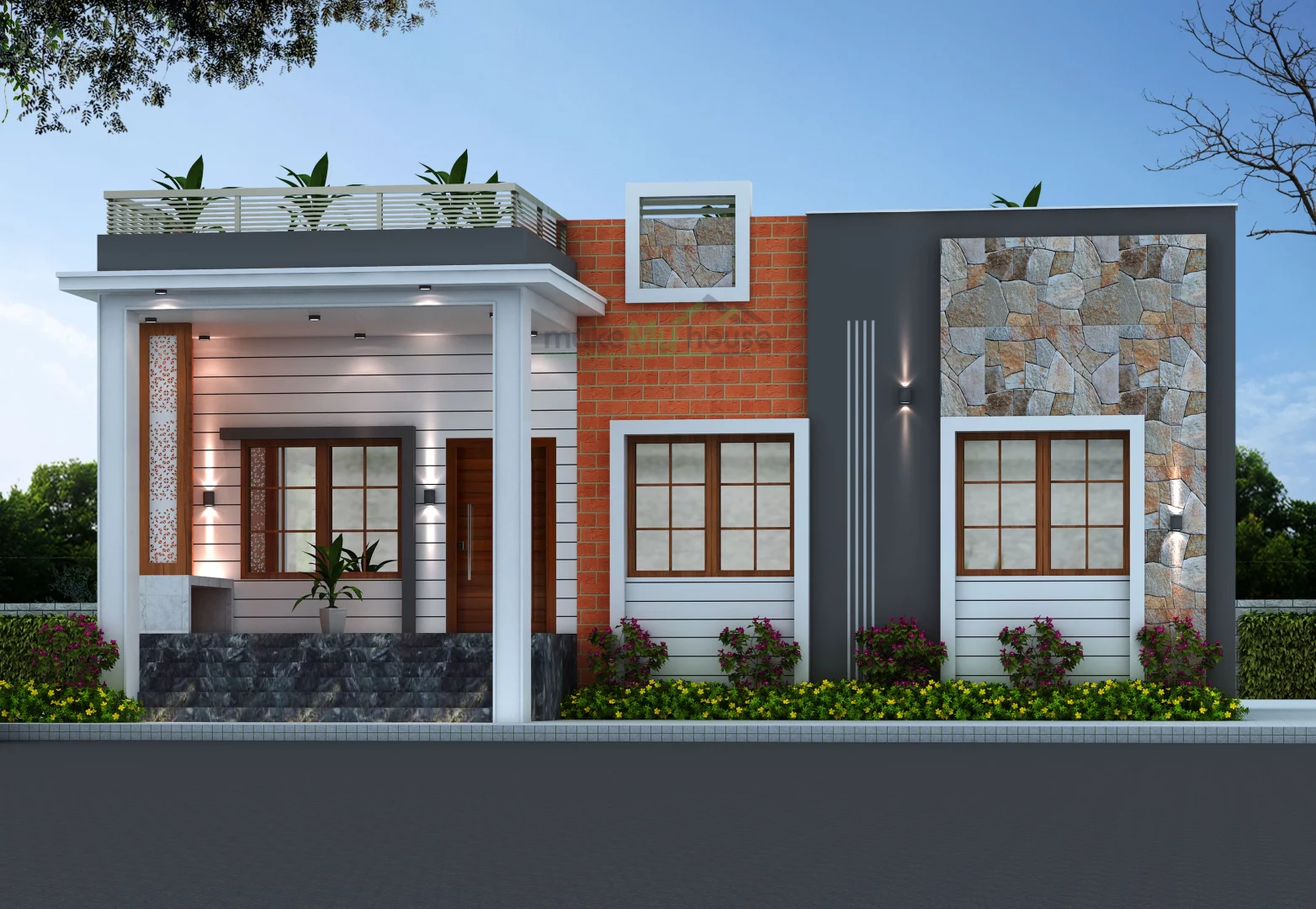
Elevation design means the exterior view of your house, especially the front side. It includes all the visual elements that people see from outside.

This usually involves:

  • Wall design
  • Balcony design
  • Window placement
  • Exterior colors
  • Textures like stone or wood
  • Gate and compound wall design
  • Lighting features

Think of elevation as the face of your home.

Just like people form first impressions quickly, buyers and visitors also judge a house within seconds based on its exterior appearance.

That is why architects spend a lot of time refining elevation design.

Why Elevation Design Plays a Big Role in Property Value

When someone looks at a property, they rarely start with the floor plan. They first notice the exterior.

A strong elevation design can make a house look more expensive than it actually is.

On the other hand, a poorly designed elevation can make a well-built house feel outdated.

From my observation in residential projects, buyers often say things like:

“The front look of the house is very nice.”

This emotional reaction often increases interest and perceived value.

Let’s look at the practical reasons.

1. First Impressions Influence Buyers

Property decisions often start with a visual impression.

If the elevation looks clean, balanced, and modern, people assume the house is well-designed overall.

Real estate agents often mention that houses with attractive elevations attract more visitors.

Even online property listings get more clicks when the front view looks appealing.

That first impression can influence how much a buyer is willing to pay.

2. Good Elevation Creates a Premium Look

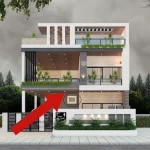
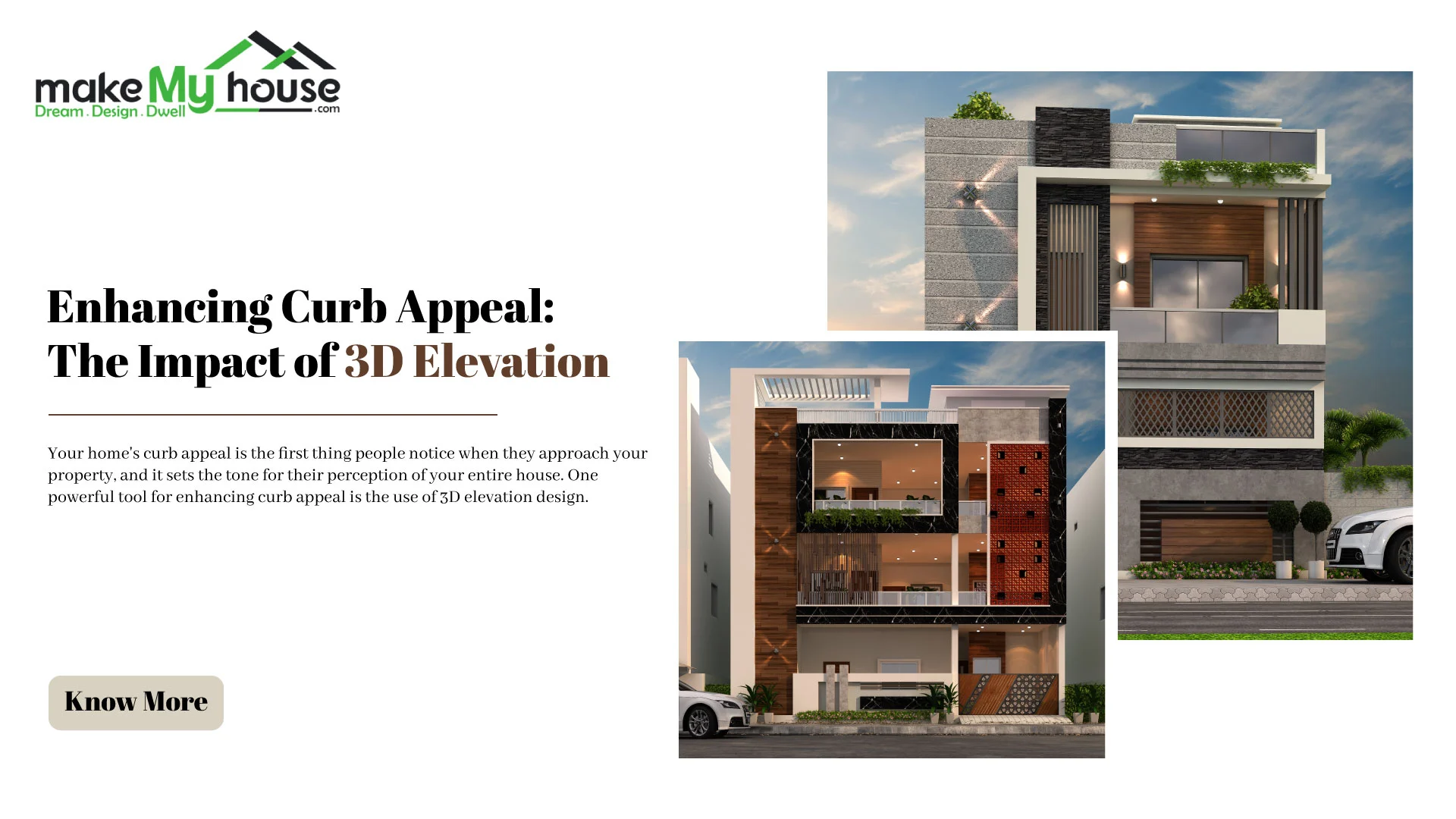
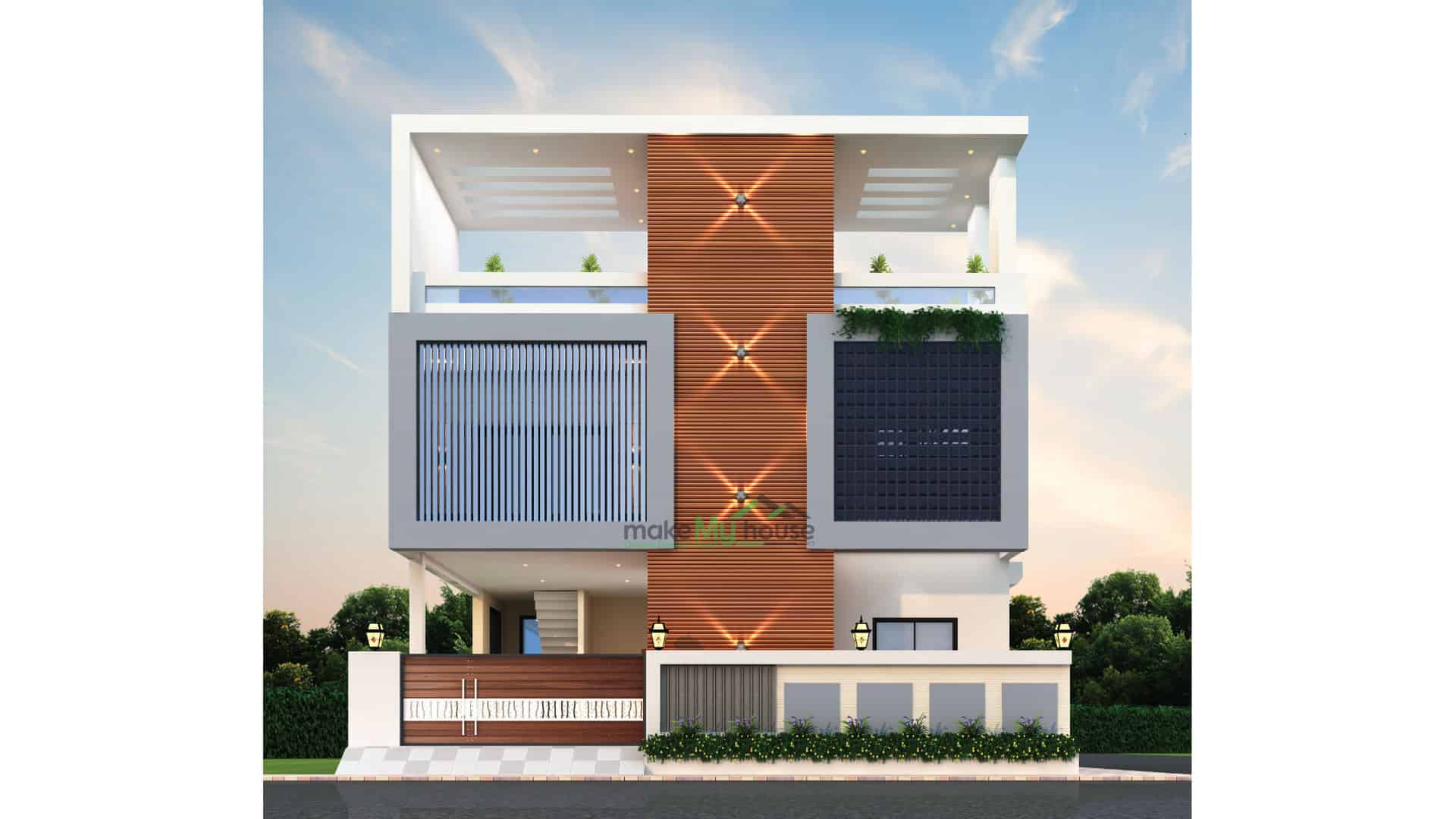
A thoughtfully designed elevation can make a house appear more luxurious.

Simple additions like:

  • vertical design elements
  • balcony details
  • stone or wooden textures
  • modern lighting

can transform a basic structure into something visually impressive.

I have seen projects where the construction budget was moderate, but the elevation design was done carefully. The result was a house that looked far more premium than its cost.

This perception directly affects property value.

3. Exterior Design Reflects Quality

When buyers see a house with a well-finished exterior, they often assume the inside is also well planned.

A neat elevation sends a signal that:

the house was designed professionally

attention was given to details

the property was not built casually

This perception builds trust.

And trust often translates into higher value in the property market.

4. Modern Elevation Designs Attract Younger Buyers

Many buyers today prefer houses with modern design styles.

Clean lines, minimal colors, and textured panels have become popular in residential architecture.

If a house still looks very old-fashioned from the outside, buyers may assume the entire property is outdated.

Updating the elevation design can make the property more attractive to modern buyers.

5. Better Elevation Improves Neighborhood Appeal

A house with a well-designed exterior also improves the look of the street.

In many residential areas, houses with attractive elevations tend to increase the perceived value of the entire neighborhood.

When several homes follow good design standards, the area feels more organized and premium.

This indirectly supports property values.

Step-by-Step Tips to Design an Elevation That Supports Property Value

If you are planning a new house or renovating the front view, these practical steps can help.

Step 1: Choose a Design Style

Decide the overall design style first.

Common options include:

  • modern elevation
  • contemporary elevation
  • traditional elevation

A clear design direction keeps the exterior balanced.

Mixing too many styles can make the house look confusing.

Step 2: Focus on Proportion

Good elevation design is not about adding many elements.

It’s about balance.

Architects usually pay attention to:

  • window alignment
  • balcony size
  • wall proportions

Even simple houses look elegant when proportions are correct.

Step 3: Use Limited Colors

Too many colors can spoil the exterior.

Most modern houses use two or three shades

Step 4: Add Texture Carefully

Textures create visual interest.

Popular materials include:

  • stone cladding
  • wooden panels
  • exterior tiles

But these should be used thoughtfully.

Too many textures can make the design look crowded.

Step 5: Plan Exterior Lighting

Night lighting can dramatically improve the appearance of your home.

Soft wall lights or spotlight effects highlight architectural features.

This small detail often makes the house look more premium.

Real Experience Tip from Residential Projects

During several home design discussions, I noticed that clients sometimes focus only on interior spaces.

They plan bedrooms, kitchens, and wardrobes carefully.

But they treat the elevation as a last-minute decision.

Later, when construction finishes, they realize the front look could have been better.

From experience, spending time on elevation planning early in the design stage always leads to better results.

It saves redesign costs later.

Common Elevation Design Mistakes That Reduce Property Value

Avoiding these mistakes can protect the visual appeal of your property.

Ignoring Professional Design

Trying to copy random designs from the internet can lead to mismatched elements.

Using Too Many Colors

Excessive colors often make the house look cluttered.

Poor Material Quality

Cheap cladding or poorly installed panels can reduce the premium feel.

Overcomplicated Designs

Adding too many decorative elements may make the house look outdated.

Ignoring Maintenance

Some materials require frequent upkeep.

If they age badly, the property value may drop.

FAQs

1. What is elevation design in a house?

Elevation design refers to the exterior appearance of a house, including wall patterns, windows, balconies, colors, and textures.

2. Does elevation design really affect property value?

Yes. A visually appealing elevation creates a positive first impression and can increase buyer interest.

3. Can a simple house still have a good elevation?

Absolutely. Even simple structures can look elegant with proper proportions, colors, and textures.

4. How many colors should be used in elevation design?

Most architects recommend using two or three colors for a balanced look.

5. Is modern elevation design better for property value?

Modern designs are currently popular and may attract more buyers, but the design should still match the overall architecture.

6. Should I update my house elevation before selling?

If the exterior looks outdated, improving the elevation can make the property more appealing to buyers.

7. Do textures increase the value of a house?

When used properly, materials like stone or wood panels can create a premium look and improve visual appeal.

8. Is lighting important in elevation design?

Yes. Good exterior lighting highlights architectural features and improves the house’s appearance at night.

Conclusion

A house is more than walls and rooms.

The outside appearance tells a story before anyone steps inside.

Understanding how elevation design impacts property value helps homeowners make smarter design decisions.

A well-designed elevation creates a strong first impression.

It makes the house look more refined.

It attracts attention from buyers and visitors.

Even small improvements in exterior design can change how a property is perceived.

So when planning a house, don’t treat elevation as an afterthought.

Give it the attention it deserves.

Because sometimes, the value of a property starts right at the front view.

Leave a Reply

Your email address will not be published. Required fields are marked *