

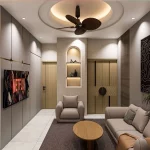
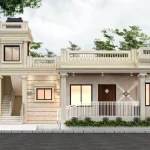
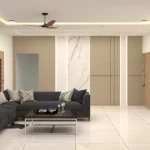
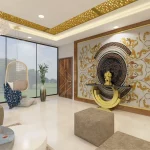


This blog explains how Vastu-compliant floor plans help create a balanced home by aligning room placement, sunlight, and airflow with directional principles. It highlights practical ways to combine Vastu with modern design for better comfort and positive living. The key idea is to focus on balance, not blind rule-following.
“The plan is ready… but will the home actually feel peaceful?”
Many people don’t ask this question openly, but deep down, everyone is concerned about it.
The rooms are laid out correctly. The design is modern.
Yet, some people still say:
- “There is no sense of tranquility in the house.”
- “The light and energy feel a bit odd.”
“Even though everything seems right, there is a missing sense of balance.”
I have personally noticed this feeling in quite a few homes.
And when I examined the floor plans… one thing stood out as a common thread:
Vastu principles had been overlooked during the planning stage.
Now, it is important to understand this
Vastu is not merely a game of directions.
It is, in fact, a combination of spatial balance, natural sunlight, airflow, and logical utility.
In this blog, we will explore in simple language
How to design a Vastu-compliant floor plan that is both practical and balanced.
What is a Vastu-Compliant Floor Plan?
A Vastu-compliant floor plan does not mean blindly following a set of rigid rules.
What it actually implies is:
- Placing the right room in the right direction.
- Balancing the natural elements within the space.
Ensuring a positive flow of energy throughout the home.
To put it simply:
“Vastu is about creating a home that *feels* right, not just one that *looks* right.”
Why Vastu Matters in House Planning
If Vastu principles are ignored:
- The home may feel dark or heavy.
- Ventilation can suffer.
- Daily comfort and well-being are compromised.
If the plan is executed correctly:
- Lighting improves significantly.
- Airflow becomes smooth and natural.
- The home naturally radiates a positive aura.
Key Vastu Principles for Floor Planning
1. Direction-Based Room Placement
Every direction plays a specific role.
Basic Guidelines:
- North-East (NE) → Living Room / Prayer Room (Pooja)
- South-West (SW) → Master Bedroom
- South-East (SE) → Kitchen
- North-West (NW) → Guest Room
A Real-World Insight
I have observed in various projects that
Placing the kitchen in the wrong direction often leads to ventilation issues.
2. Entrance Placement
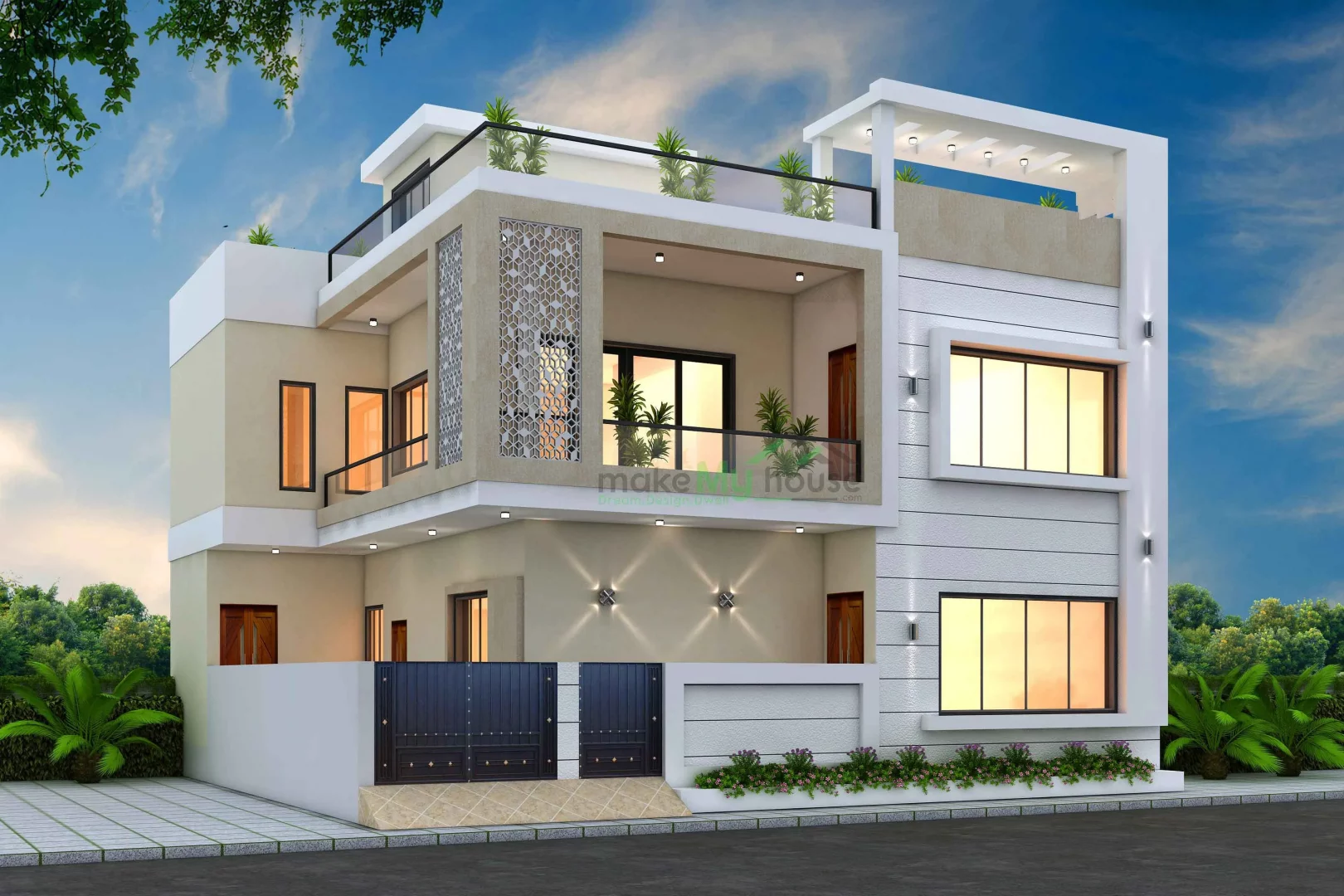
The main door serves as the primary gateway for the home’s energy. Best Directions:
- North
- Eastern
- Avoid:
- South-West entrance (generally)
3. Natural Light & Sun Movement
The path of sunlight is the core part of Vastu.
Morning Light (East):
- Positive energy
- Healthy environment
Tip:
Plan living areas on the east side.
4. Airflow & Ventilation
Vastu gives importance to airflow.
Good Practice:
- Cross ventilation
- Windows on opposite walls
5. Center of House (Brahmasthan)
The center of the house should ideally be open.
Avoid:
- Heavy construction
- Staircase
Step-by-Step: How to Design a Vastu-Compliant Floor Plan
Step 1: Plot Orientation Samjho
Which direction the plot faces this is what planning first decides.
Step 2: Create Zoning
- Divide space into:
- Public area (living)
- Private area (bedroom)
- Service area (kitchen, bathroom)
Step 3: Decide Kitchen Placement
South-East is the best.
Tip:
- Gas stove east-facing is better.
Step 4: Bedroom Planning
- Master bedroom → South-West
- Kids room → North-West / West
Step 5: Living Room Placement
North-East or East is best.
Step 6: Toilet & Bathroom Placement
- North-West / West preferred
- Avoid center
Step 7: Staircase Planning
- South/West side better
- Center avoid karo
Step 8: Open Spaces & Windows
- Keep North and East sides open
- Keep heavy walls in South-West.
Real Experience Tips
Combine Vastu + Modern Design
- Don’t follow Blindly.
- Practical usability is also equally important.
Do not ignore light & ventilation.
- This is the core of Vastu.
Create Balance
Take everything to extreme.
Make Smart Adjustments in Small Plots
Perfect Vastu is not possible everywhere balance is important.
Pro Tip
“Good Vastu = good planning + good airflow + good light.”
Common Mistakes in Vastu Floor Planning
1. Blind Rule Following
It was not practical to follow every rule blindly.
2. Ignoring Plot Orientation
Same plan is not applicable on every plot.
3. Center Block Kar Dena
Heavy structure in center banana.
4. Kitchen Wrong Direction
Ventilation and workflow has been affected.
5. No Cross Ventilation
Airflow appears to be blocked.
6. Over Complication
Making a simple plan complex.
Smart Vastu Design Hacks
Use Mirrors Smartly
Energy flow has improved.
Add Indoor Plants
Freshness and positivity have increased.
Use light colors
Declutter Keep
Clean space = better energy.
FAQs –
1. What is a Vastu-compliant floor plan?
It is a layout designed according to directions, light, and airflow principles.
2. Is Vastu necessary for modern homes?
It’s not mandatory, but it improves comfort and balance.
3. What is the best direction for kitchen?
South-East is considered ideal.
4. Can I follow Vastu on small plots?
Yes, with smart adjustments.
5. Which direction is best for entrance?
North and East are preferred.
6. Is center of house important in Vastu?
Yes, it should be open and light.
7. Does Vastu affect mental peace?
Indirectly, through better light and airflow.
8. Should I hire an expert for Vastu planning?
Yes, it helps in balancing design and practicality.
Final Thoughts
House only walls
It is not merely a combination of rooms.
I have personally felt this
the moment you step into some homes, you feel a sense of comfort;
while in others, the atmosphere feels somewhat heavy.
What makes the difference?
Balance.
If you apply Vastu principles intelligently:
Your home will feel better
It will be comfortable
Your daily life will flow smoothly
In the end, remember one simple thing:
“A perfect home is not merely one that is beautiful… but rather one that feels balanced.”