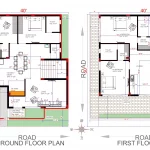
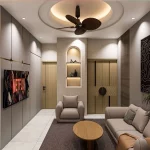
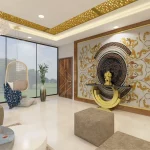
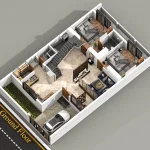
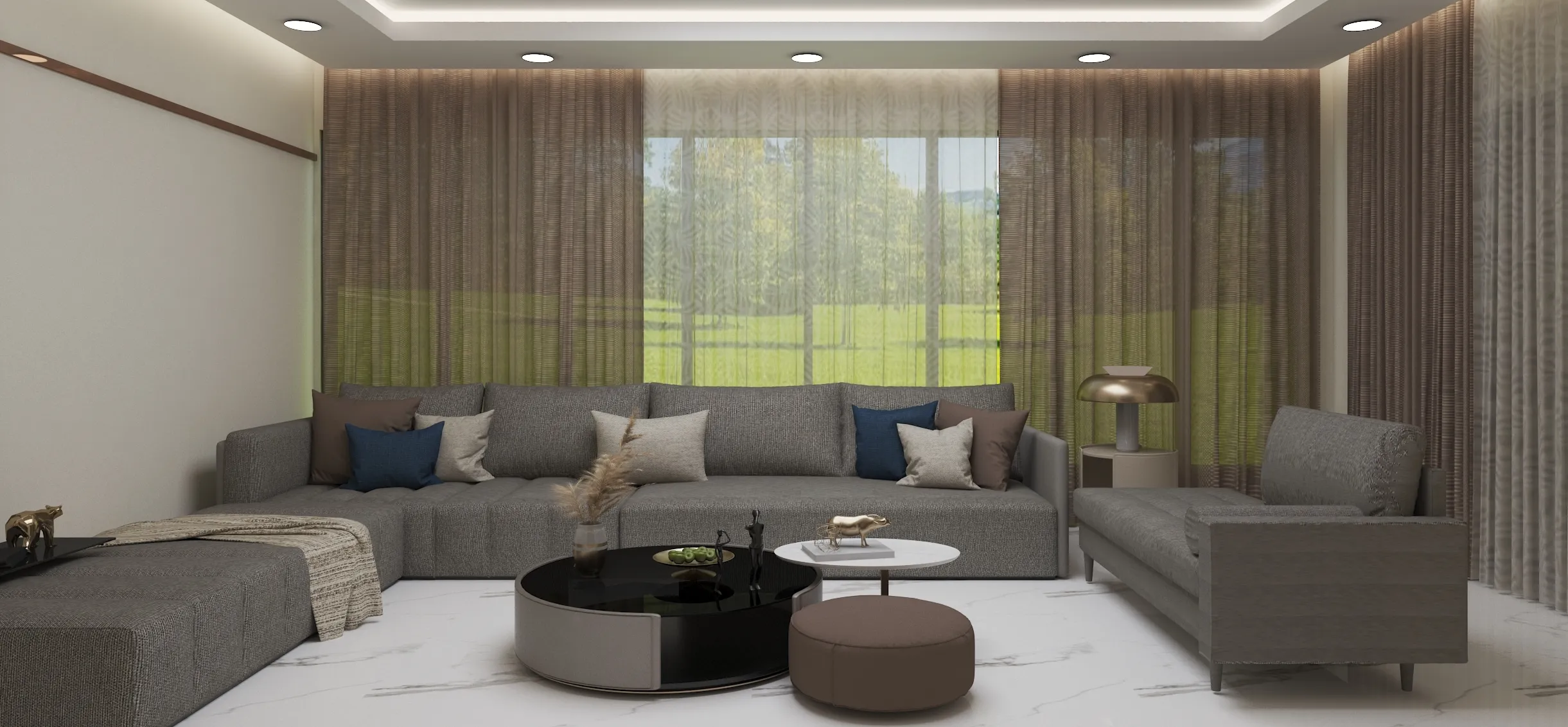
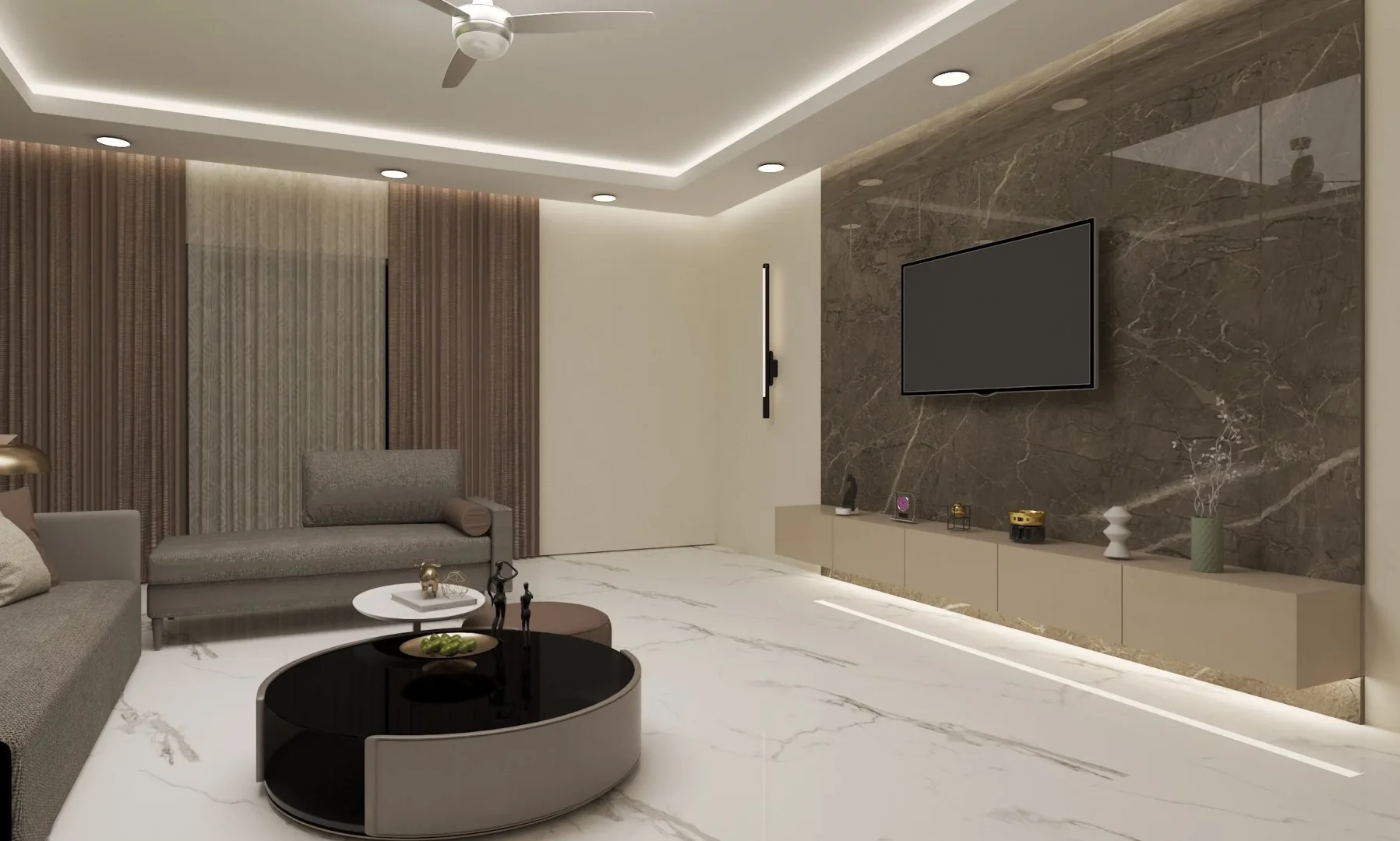
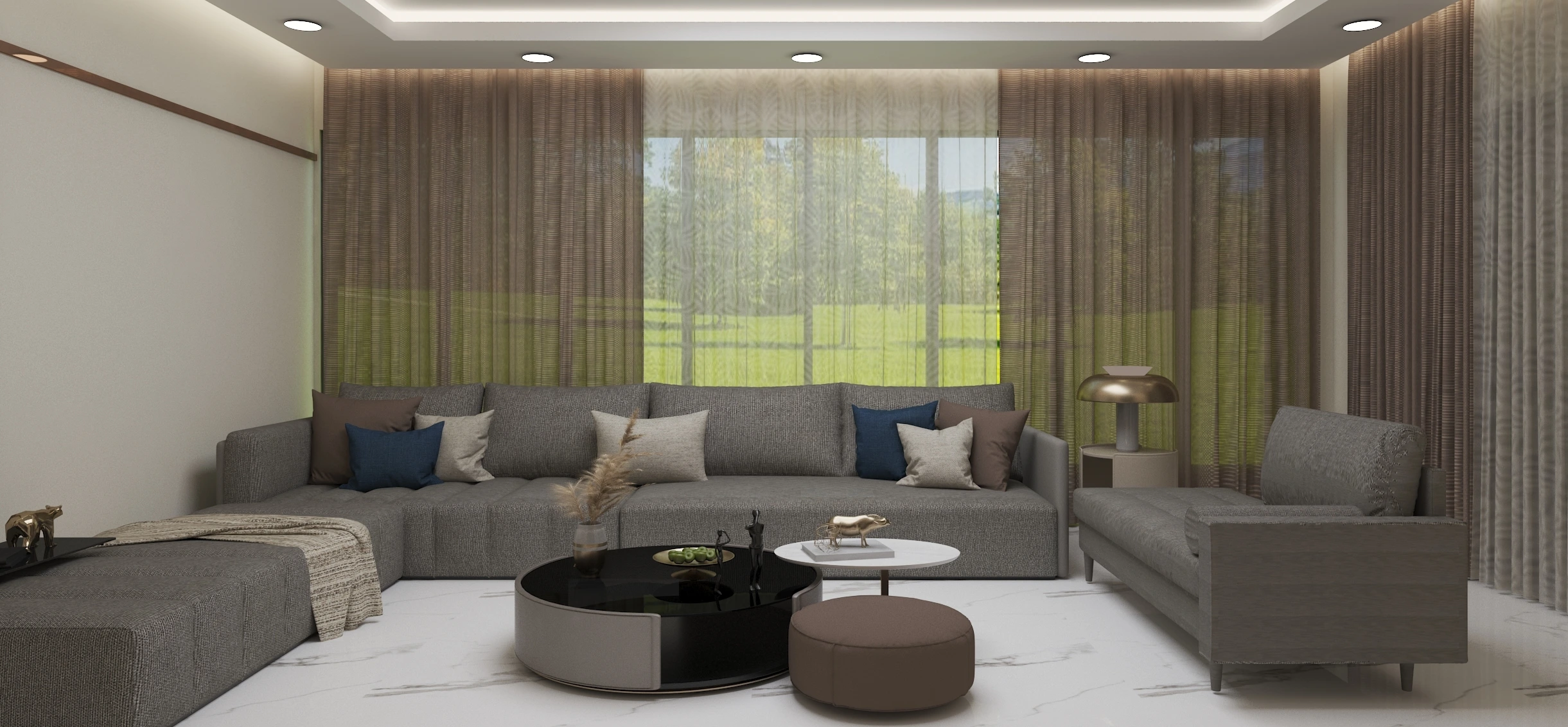
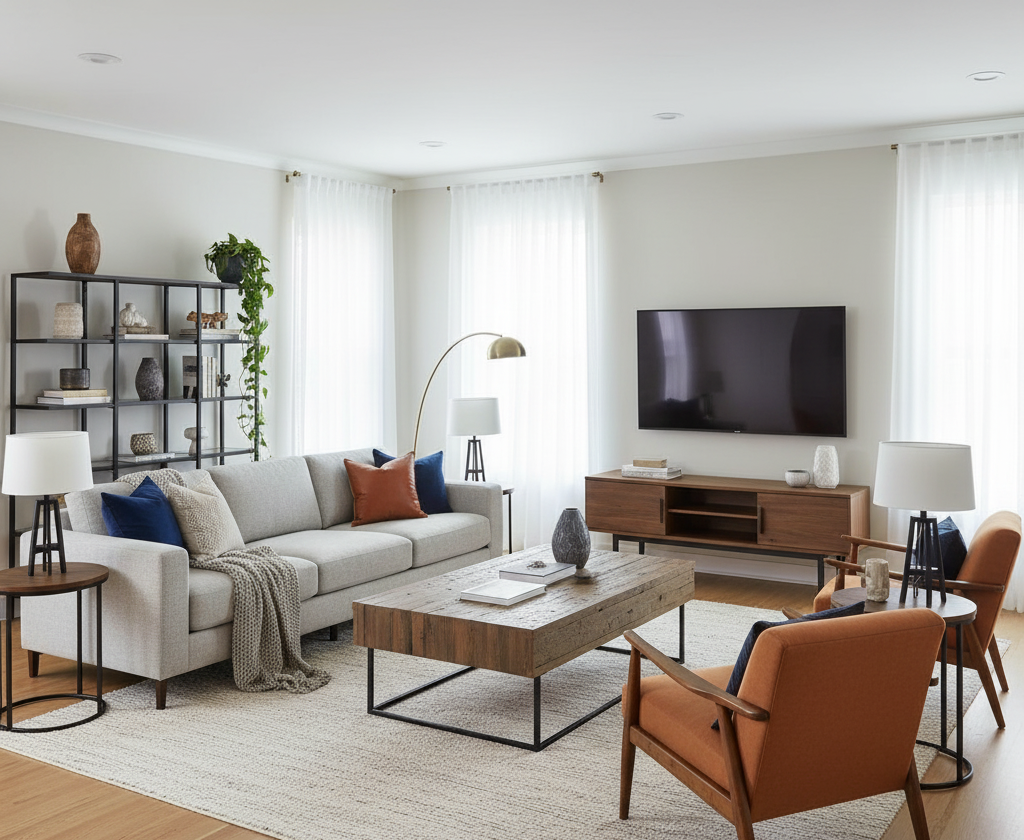
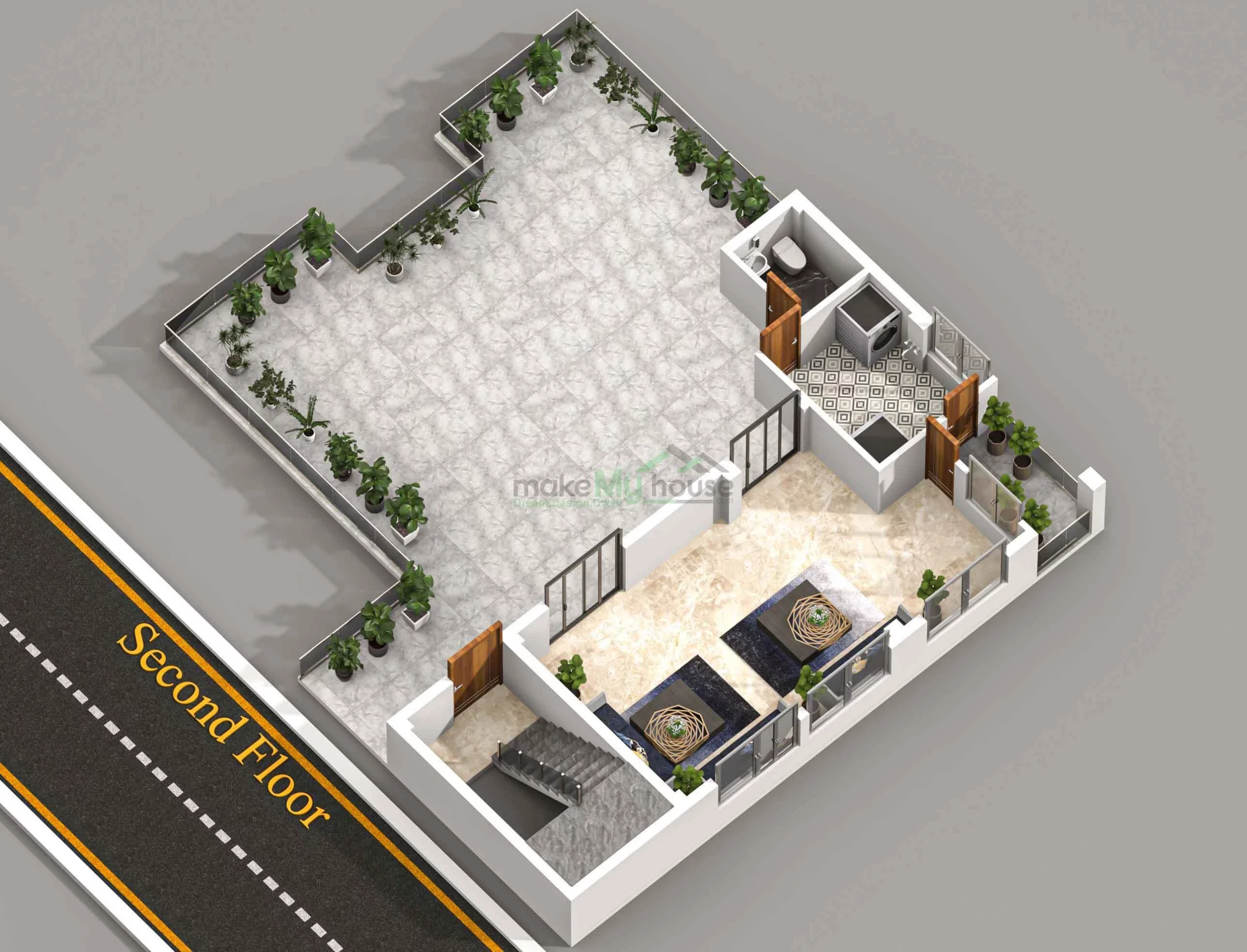
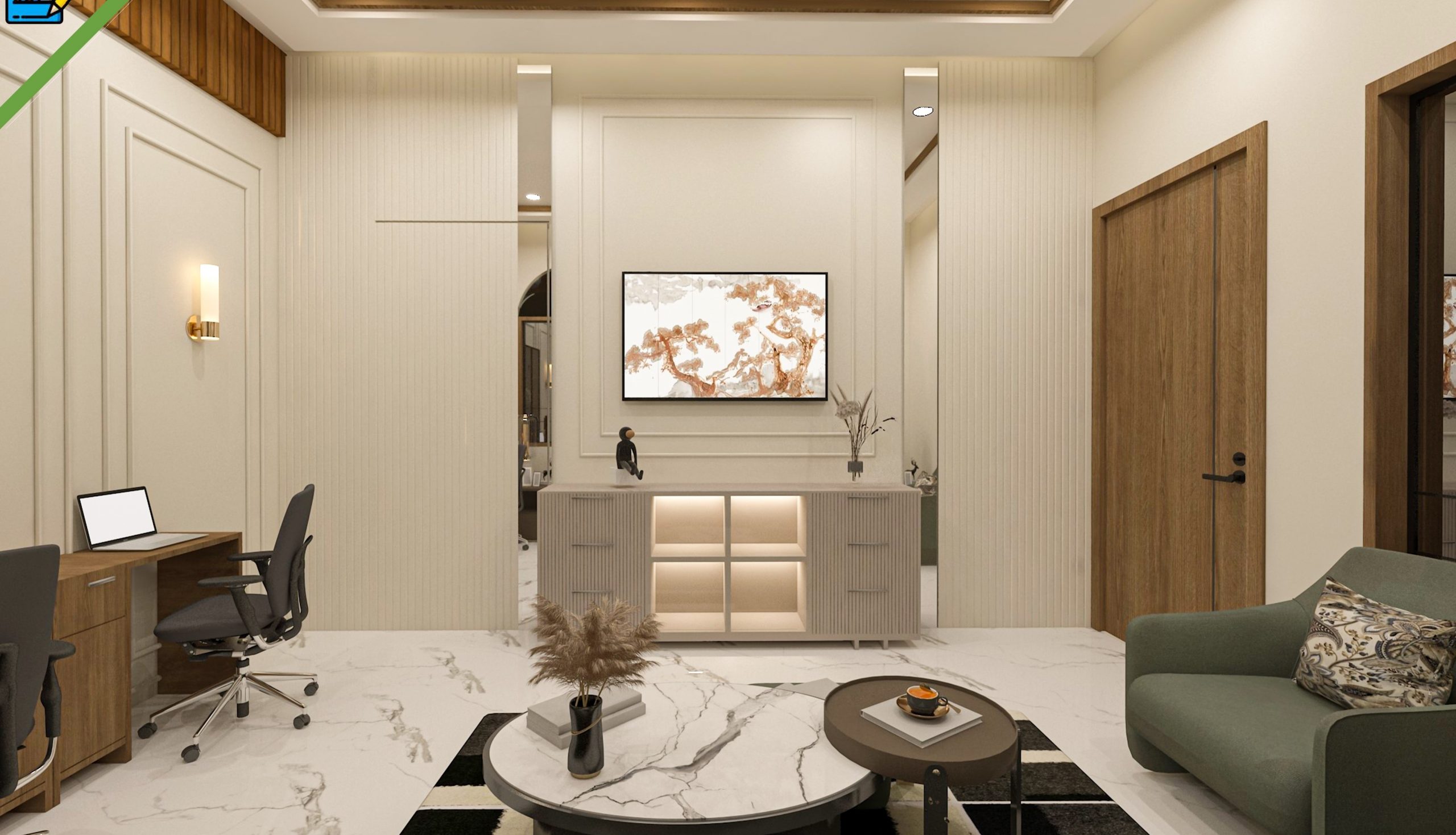
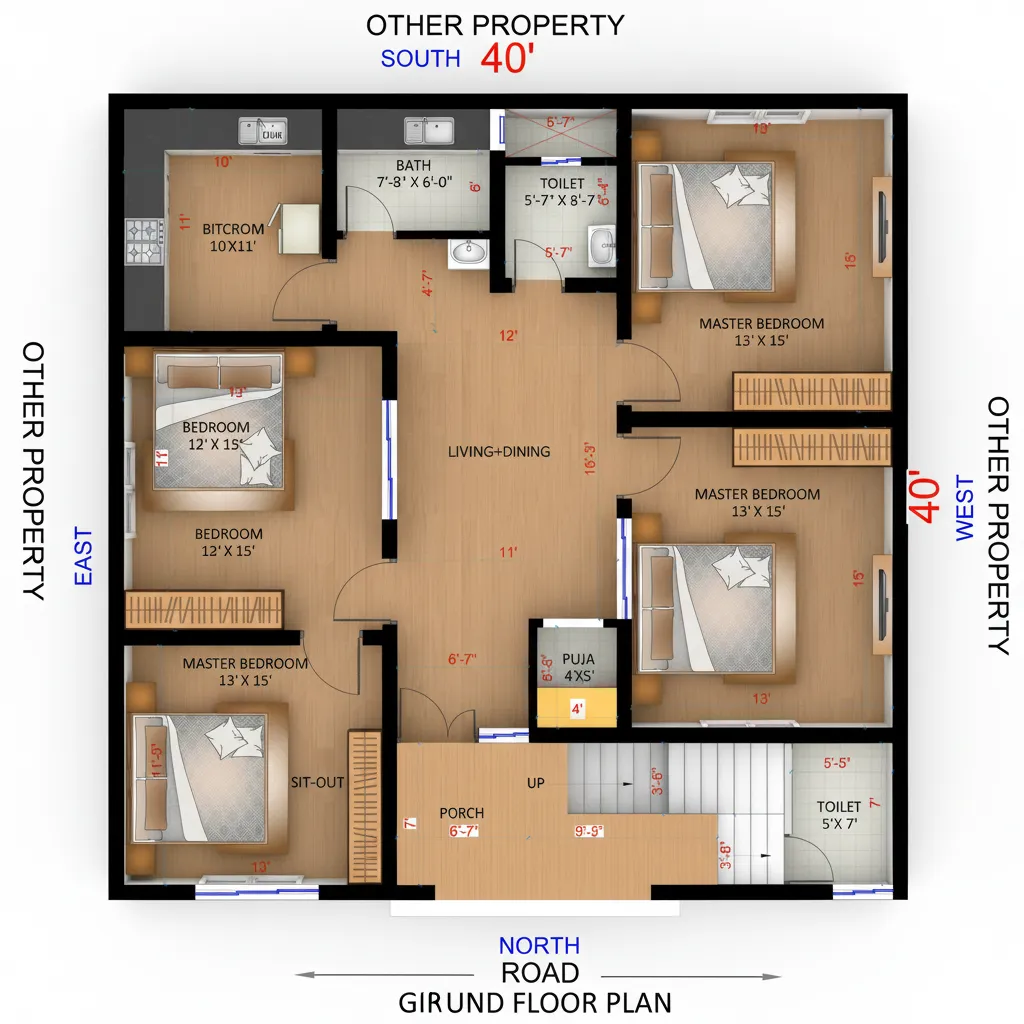
A well-planned living room layout is key to making your space comfortable, functional, and visually appealing. By focusing on proper furniture placement, walking space, lighting, and balance, you can transform any living room big or small into a perfectly organized space. Smart planning always matters more than expensive furniture.
“The sofa has arrived… the TV is mounted… yet the living room still feels a bit off.”
I’ve heard this line so many times that it feels completely normal to me now.
People bring in furniture, set everything up… but the room still doesn’t feel quite right. Sometimes the walking space feels cramped; other times, the TV placement feels awkward, or the entire room just looks cluttered.
To be honest? The problem isn’t the furniture itself.
The problem lies in the planning of the living room layout.
I have personally visited many homes where, despite having expensive furniture, the space still feels uncomfortable. Conversely, in some simpler homes, everything feels perfect thanks to a smart layout.
So, if you too want to properly plan your living room, this step-by-step guide to planning your living room layout will come in handy.
What Is Living Room Layout Planning?
In simple terms, living room layout planning means determining:
- Where the furniture will be placed
- How walking space will be maintained
- How the TV, sofa, and lighting will be aligned
This isn’t just about decoration. It is a combination of comfort, functionality, and space management.
Why a Proper Living Room Layout Matters
If the layout isn’t right, problems begin to arise:
- The room feels smaller than it is
- Movement becomes difficult
- The space feels cluttered
- Even good design goes to waste
A client once told me:
“The room is large, yet it still feels cramped.”
The reason? A poor layout.
Step-by-Step Guide to Planning Your Living Room Layout
Now, let’s get to the practical part step by step.
Step 1: Measure Your Space Properly
First things first: take measurements.
- Room length & width
- Positions of doors and windows
- Wall dimensions
Pro Tip:
Always take measurements *before* buying any furniture. If it doesn’t fit once you bring it inside, that becomes *your* problem.
Step 2: Identify the Focal Point
Every living room has a focal point a central point of interest.
Examples:
- The TV unit
- A window view
- A feature wall
Make a decision:
What will be the main focal point of the room?
The entire layout is determined based on that decision. Step 3: Plan Sofa Placement First
The sofa is the most important element.
Options:
- Against the wall
- Center placement (if space permits)
Golden Rule:
Maintain a comfortable distance between the TV and the sofa.
Avoid this mistake:
- Do not place the sofa randomly; it disrupts the flow of the room.
Step 4: Maintain Proper Walking Space
This is a step people often overlook.
- Maintain a minimum walking space of 2–3 feet.
- The entryway should remain clear.
- Maintain gaps between furniture pieces.

Real-life experience:
In one home, there was so much furniture that people couldn’t walk around properly. We changed the layout, and the entire feel of the room transformed.
Step 5: Place the TV Unit Smartly
If the TV placement is wrong, the entire viewing experience is ruined.
- The TV should be at eye level.
- Avoid direct sunlight.
- A wall-mounted unit is the best option.
Tip:
Keep wires hidden; it creates a clean, sleek look.
Step 6: Add Secondary Seating (If Space Allows)
If you have the space:
- Accent chairs
- Ottomans
- Small seating options
But don’t overdo it.
Rule:
Comfort > Decoration
Step 7: Plan Lighting Layers
Lighting involves more than just a single tube light.

Use:
- Ceiling lights
- Warm lamps
- Natural light
Pro Tip:
Change the lighting, and you change the entire mood of the room.
Step 8: Add Storage Without Creating Clutter
Storage is essential, but visible clutter is not.
Use:
- Wall shelves
- TV unit storage
- Hidden cabinets
Step 9: Visually Balance the Space
The room should feel balanced.
- Avoid placing heavy furniture on one side while leaving the other side empty.
- Balance your color scheme.
- Avoid over-decorating.
Step 10: Test Before Final Setup
Before setting everything in place, visualize it:
- Is movement easy?
- Is the TV comfortably visible?
- Does the space feel open?
Best Tip:
Set up a temporary arrangement first to test it out.
Real Experience Tips
- Always start with layout, not furniture
- Light colors give the space an open feel.
- Keep curtains light for better light
- Don’t block windows
- Keep design simple
A client said to me:
“Simple layout was the best decision.”
And that was 100% correct.
Common Mistakes to Avoid
Avoid these mistakes by:
- Take furniture first, think about layout later.
- too much furniture
- Ignore walking space
- Installing TV at wrong height
- Ignore lighting
- Pinterest copying blindly
Biggest mistake:
Designing without understanding your space.

FAQs
1. What is the first step in planning a living room layout?
Start by measuring your space and understanding room dimensions.
2. How do I choose the focal point?
Select one main element like a TV, window, or feature wall.
3. What is the ideal distance between sofa and TV?
It depends on screen size, but generally 6–10 feet works well.
4. How much walking space is required?
At least 2–3 feet for comfortable movement.
5. Can I use an L-shaped sofa in a small room?
Yes, if it fits well without blocking movement.
6. How to make a small living room look bigger?
Use light colors, minimal furniture, and good lighting.
7. Is lighting really that important?
Yes, it changes the entire look and feel of the room.
8. Should I follow Vastu in the layout?
Basic Vastu can be helpful, but comfort and practicality should always come first.
Final Thoughts
Planning a living room layout isn’t complicated it just requires a little bit of thought.
Whether the space is large or small, if the layout is right, the room will feel comfortable, open, and beautiful.
I’ve seen it personally: smart planning is far more important than expensive decor.
So, don’t rush. Measure, plan, and then execute.
Because once the furniture is in place, making changes becomes difficult.
And your living room… is the place where you relax every day.
It should feel perfect.