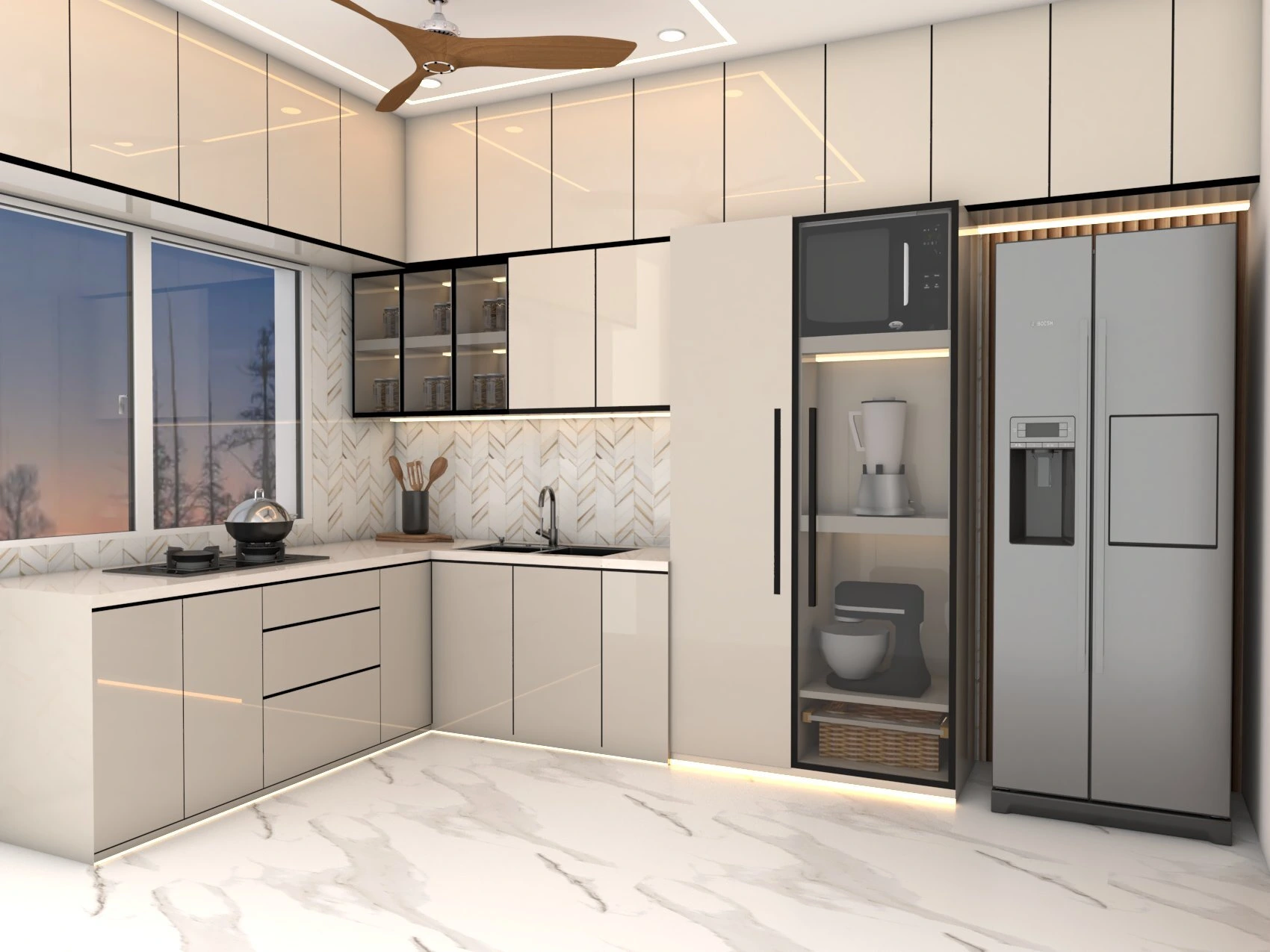
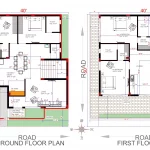


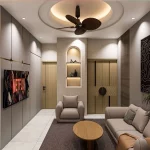
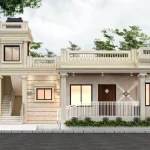
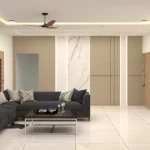
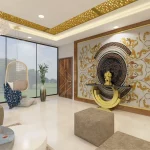
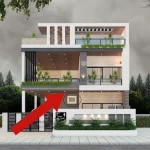
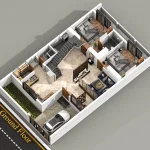

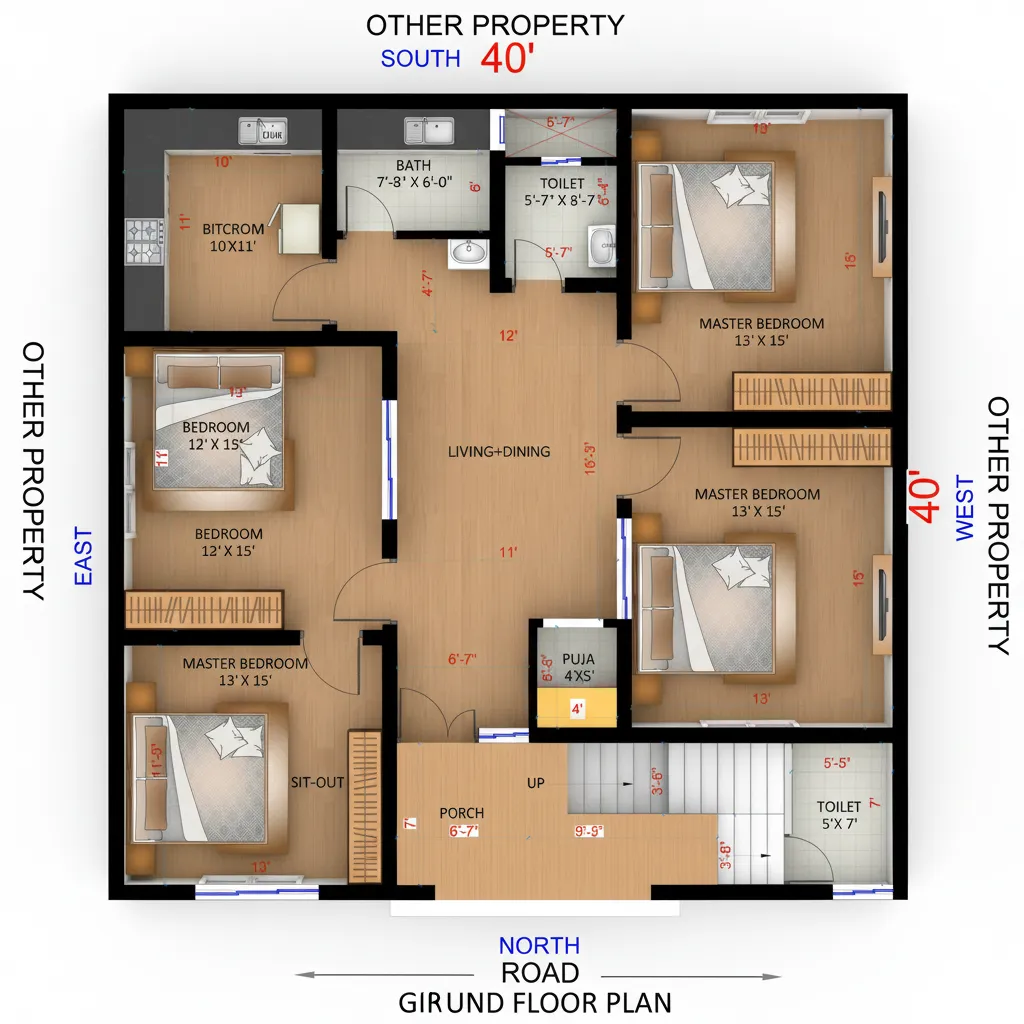
Smart floor planning helps you make the most of your available space by focusing on open layouts, proper storage, and functional room design. With the right planning, even small homes can feel spacious, organized, and comfortable. The key is to design thoughtfully instead of just increasing size.
“I’ve built my home… yet it still feels like there isn’t enough space.”
I’ve heard this line so many times that it almost seems normal to me now.
The plot was fine, the rooms were built… but in daily life, the house feels small.
The problem isn’t the space itself.
The problem lies in the planning.
I’ve personally observed this in 20×30 and 25×40 projects the exact same area, yet one home feels spacious while the other feels congested. The only difference is the floor planning.
If you are designing your own home or planning a renovation, these smart floor planning tips will come in handy.
What is Smart Floor Planning?
In simple terms:
Smart floor planning means…
…making efficient use of every single inch without making the home feel crowded.
The focus here is on:
- Space flow
- Room placement
- Ease of movement
- Storage integration
In the homes of 2026, smart planning is the true luxury.
Why Smart Floor Planning is Important
If the planning is weak, problems arise:
- Rooms don’t feel functional
- Storage becomes an issue
- The home feels cluttered
If the planning is smart:
- The space feels larger
- Movement is effortless
- The home remains organized
One client remarked:
“The area is the same, but the sense of spaciousness has doubled.”
And this was made possible solely through smart planning.
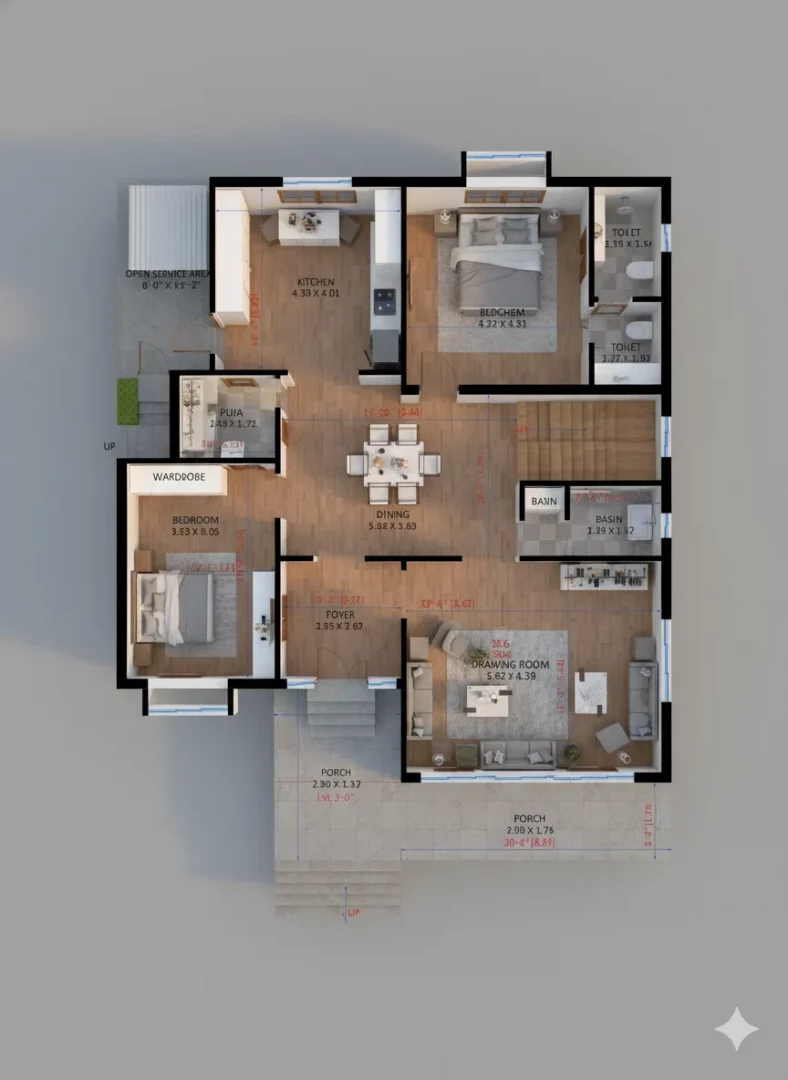
Step-by-Step Smart Floor Planning Tips to Maximize Space
Let’s now look at practical tips that you can apply directly.
1. Choose an Open Layout
- Closed-off rooms fragment the space.
What to do:
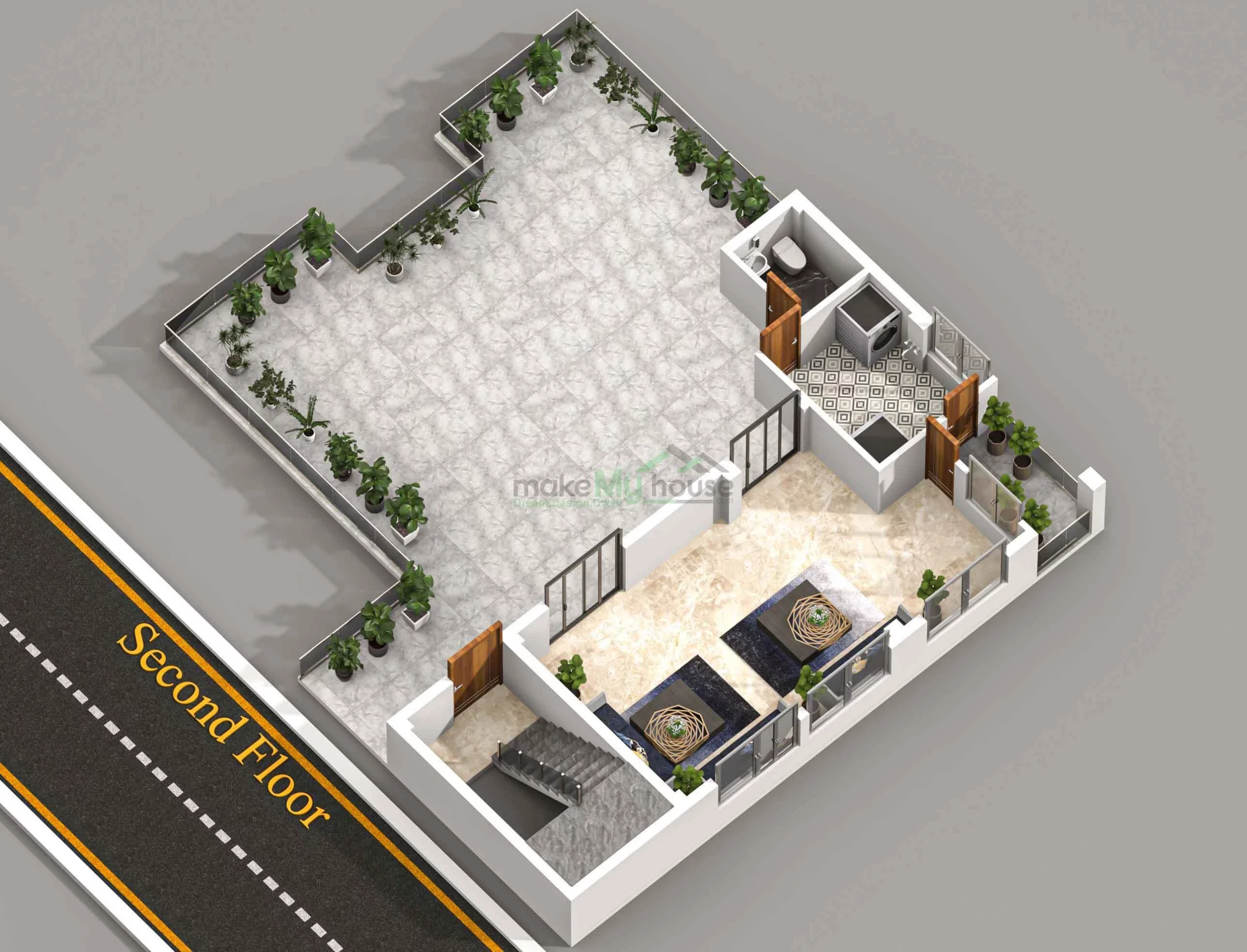
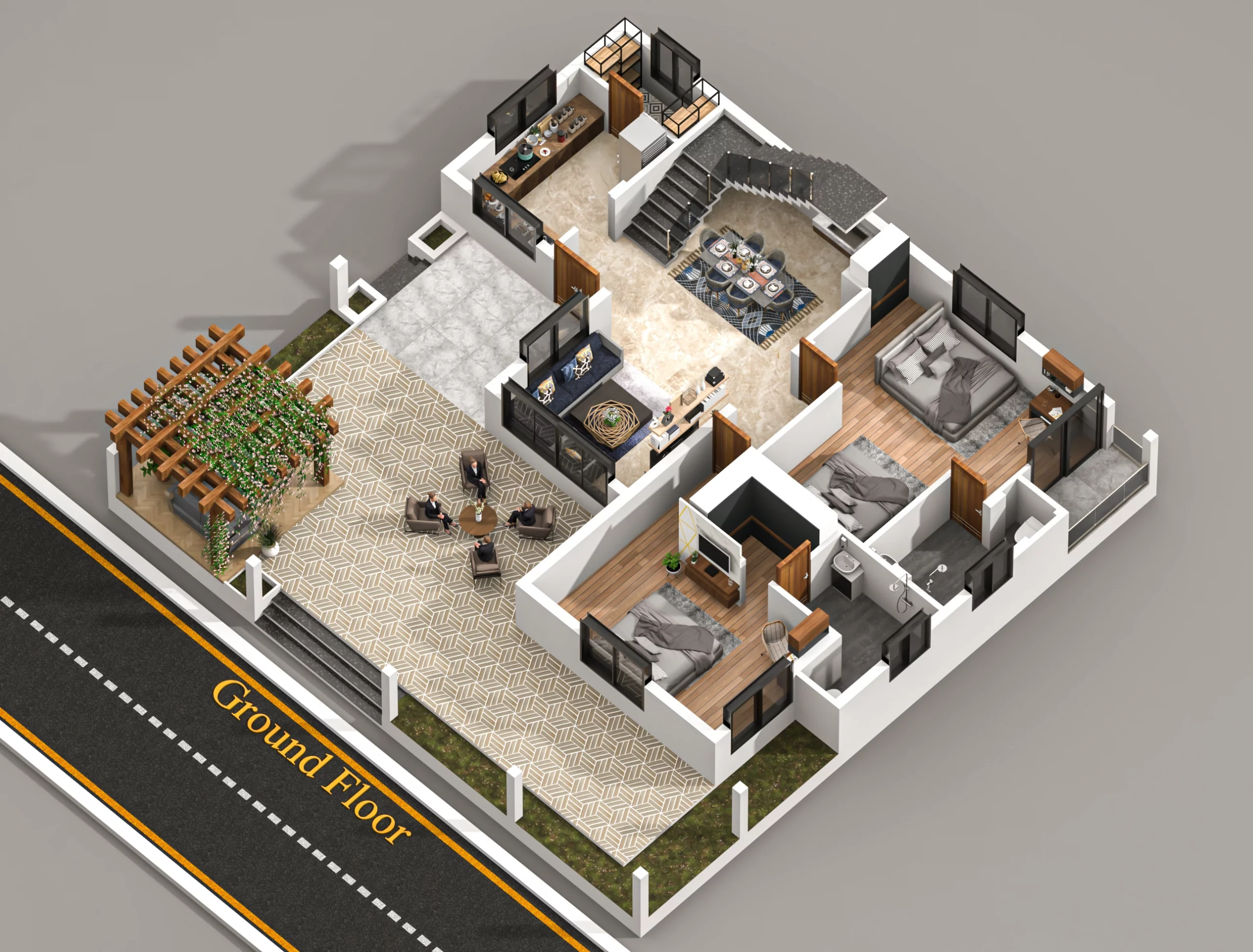
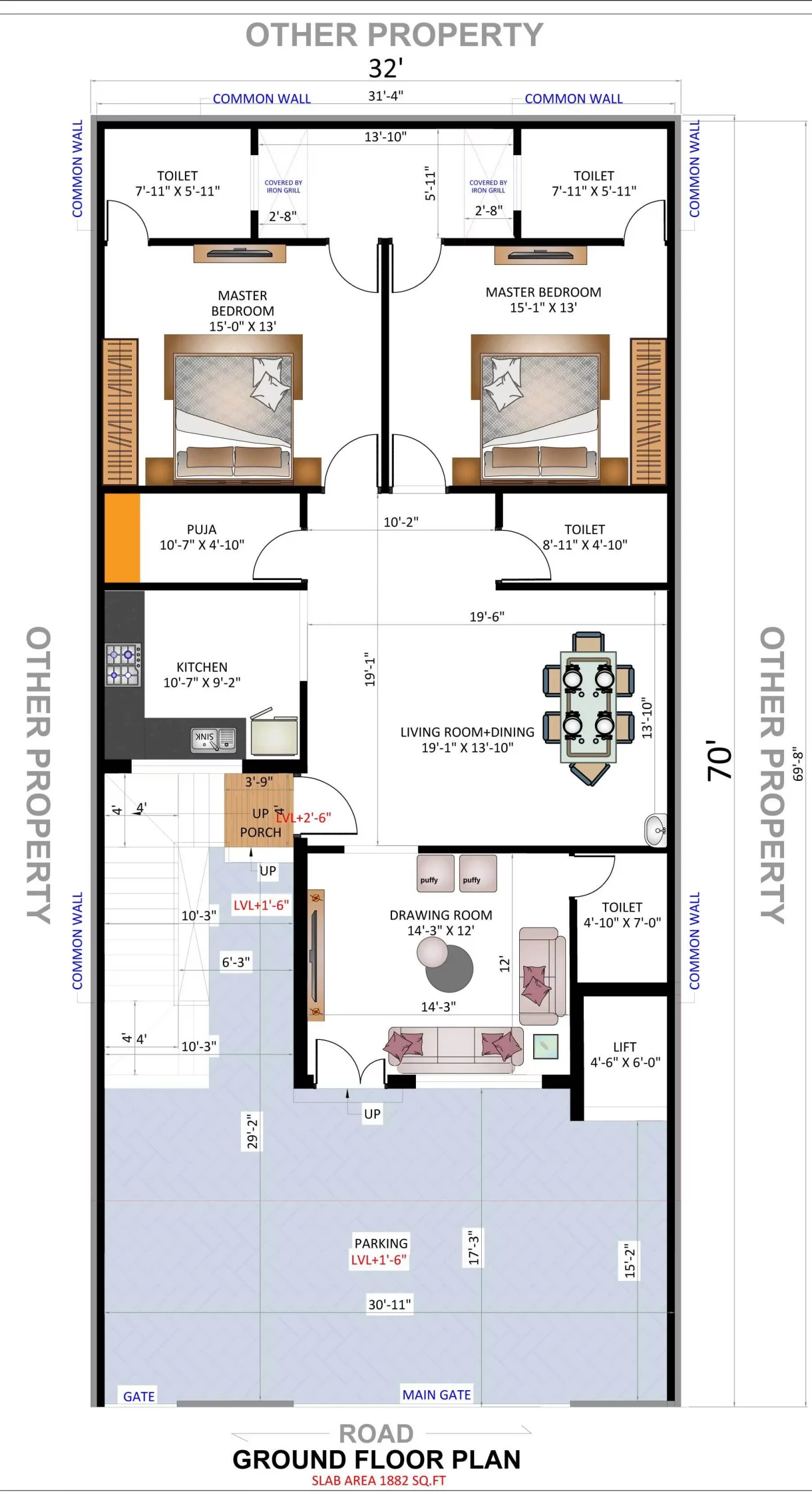
- Combine the living and dining areas
- Keep the kitchen open or semi-open
The Benefit:
- The space appears visually larger
- Light flows much better
2. Plan for Multi-Functional Rooms
It isn’t necessary for every room to have just a single purpose.
Examples:
- Guest room + Study
- Living room + Work corner
Pro Tip:
- This is the most powerful trick for small homes.
3. Plan for the Right Room Sizes
Simply building large rooms isn’t always the solution. Problem:
- One room is large, the other is cramped.
Solution:
- Maintain balanced room sizes.
4. Smart Storage Design
- Clutter makes a space feel smaller.
Use:
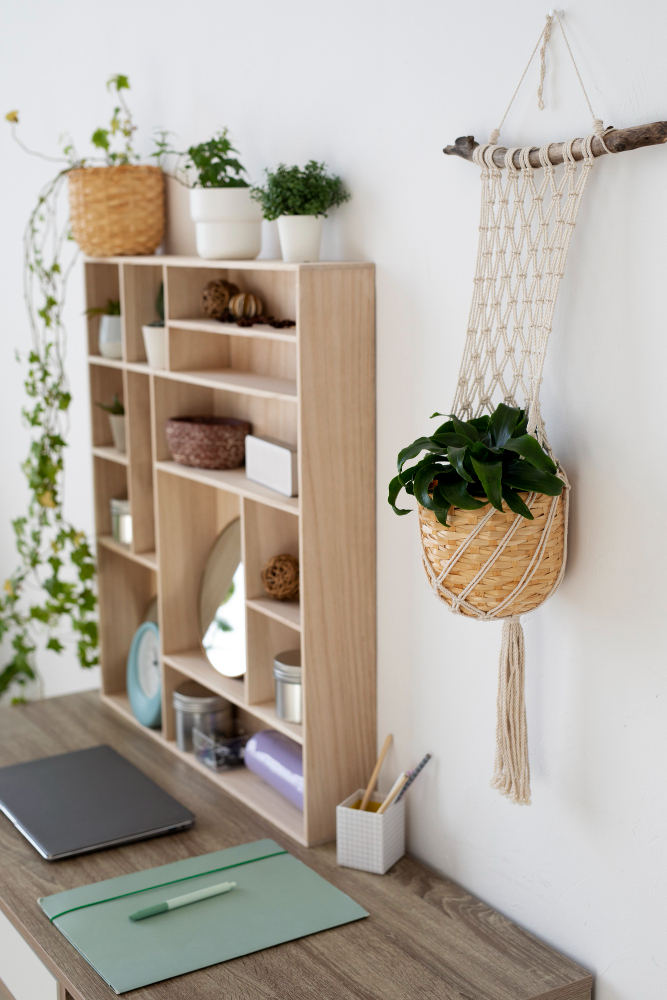
- Wall-mounted storage
- Under-bed storage
- Hidden cabinets
Tip:
Plan your storage right from the beginning.
5. Natural Light & Ventilation
- Light makes a space feel open.
What to do:
- Install large windows
- Ensure cross-ventilation
Warning:
- If you neglect ventilation, the house will feel stuffy and heavy.
6. Choose a Smart Staircase Placement
If stairs are placed incorrectly, space gets wasted.
Best option:
- Corner or side placement.
7. Plan Furniture Before Construction
It becomes a problem if furniture doesn’t fit later on.
What to do:
- Plan the sofa placement
- Decide on the bed size
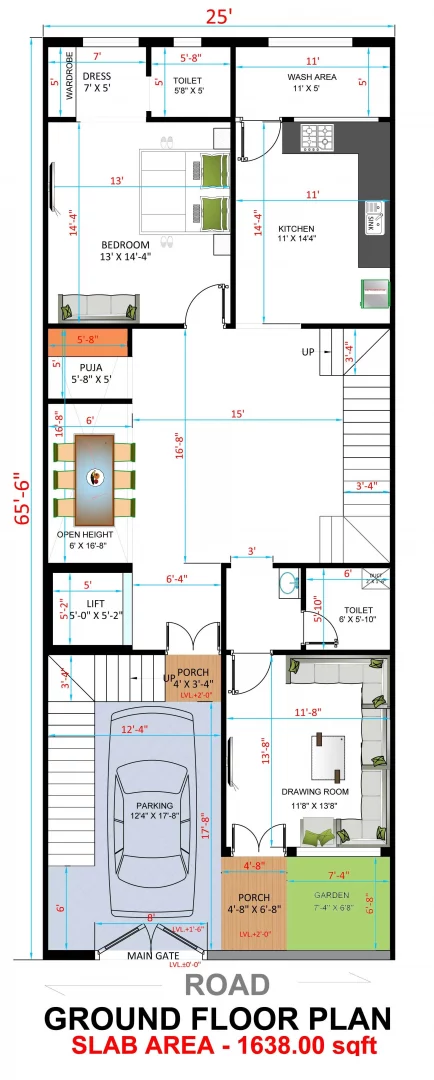
8. Avoid Too Many Walls
- Extra walls = a feeling of less space.
Solution:
- Use open partitions
- Use glass or lightweight dividers
9. Ensure Adequate Circulation Space
- Movement within the home should be comfortable.
Tip:
- Keep walkways clear
- Keep the entryway clutter-free
10. Plan for Future Needs
- Today’s design should remain functional tomorrow.
What to do:
- Allow for extra room flexibility
- Plan for future floor modifications
Real Experience Tips
- Simple layouts always work better
- People generally prefer open spaces
- Storage planning should never be ignored
- Lighting makes a space feel twice as large
In one project, we simply reduced the number of walls…
and the entire house began to feel open and premium.
Common Mistakes to Avoid
Do not make these mistakes:
- Building walls everywhere
- Ignoring storage needs
- Thinking about furniture only after construction
- Skipping ventilation
- Copying a random layout blindly
The biggest mistake:
Starting construction without a proper plan.
FAQs –
1. How can I make a small house feel bigger?
Use an open layout, light colors, and proper lighting.
2. What is the best layout for small homes?
An open living + dining area combined with smart storage solutions.
3. Is an open kitchen a good idea?
Yes, it enhances the sense of space and improves connectivity.
4. How can I avoid clutter in small homes?
Use hidden storage and minimal furniture.
5. Should I plan the furniture layout before construction?
Yes, it helps avoid spatial issues later on.
6. What is the role of ventilation?
It keeps the home feeling fresh and spacious.
7. How can I utilize the space under the stairs?
Use it for storage or to create small, functional areas.
8. Can small homes look luxurious?
Yes, with smart planning and simple design.
Final Thoughts
A home doesn’t feel spacious simply because it is large…
it feels spacious because of smart planning.
I have personally witnessed this even small homes can exude a sense of luxury when the planning is executed correctly.
If you:
- Opt for an open layout
- Incorporate smart storage solutions
- Focus on lighting and ventilation
Then your home will automatically feel larger and more comfortable.
In the end, remember one simple rule
It is not the space that is lacking; it is the planning.
Related Posts: