Introduction:
In today’s evolving urban landscape, Indian homes are undergoing a powerful transformation. With shrinking plot sizes, rising property costs, and changing lifestyles, the demand for smart spaces has never been higher. Because nowadays people do not have enough space to use it in different ways, hence nowadays people prefer multi-purpose rooms.
We are no longer designing rooms with a single, fixed purpose. Instead, we are planning dual-purpose rooms in Indian homes that deliver flexibility, efficiency, and aesthetic harmony without compromising comfort or culture, because of me. We believe that a thoughtfully planned dual-purpose space does more than save square footage. It enhances daily living, adapts to modern routines, and creates a double impact by blending functionality with design intelligence. This article explores how we can strategically plan multi-functional rooms that align with Indian lifestyles, family structures, and long-term needs.
Understanding the Need for Dual-Purpose Rooms in Indian Homes
Indian households are unique. We often balance work-from-home needs, joint family dynamics, guest accommodation, spiritual practices, and leisure within limited space. A single-purpose layout no longer supports these diverse requirements.
By planning dual-purpose rooms, we ensure that:
- Every square foot is used efficiently
- Spaces adapt throughout the day
- Homes remain future-ready
- Visual clutter is minimized
- Daily life becomes smoother and more organized
Smart planning allows one room to serve two (or more) roles without feeling cramped or compromised.
Also read: The Importance of Modern Garden and Landscape Design for Indian Homes
Living Room + Home Office: The New Normal
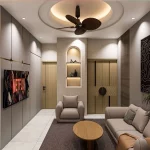
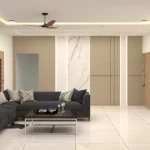
The living room has always been the heart of Indian homes. Today, it is also becoming a productivity zone. By designing a living room that doubles as a home office, we create a seamless blend of professional and personal life.
We recommend:
- Built-in desks integrated into TV units or wall panels
- Fold-down or concealed workstations
- Ergonomic seating that complements living room furniture
- Soft partitions or sliding screens for privacy
Proper lighting, acoustic control, and storage ensure that work hours remain focused while evenings revert effortlessly to family time.
Bedroom + Study or Workspace: Privacy Meets Productivity
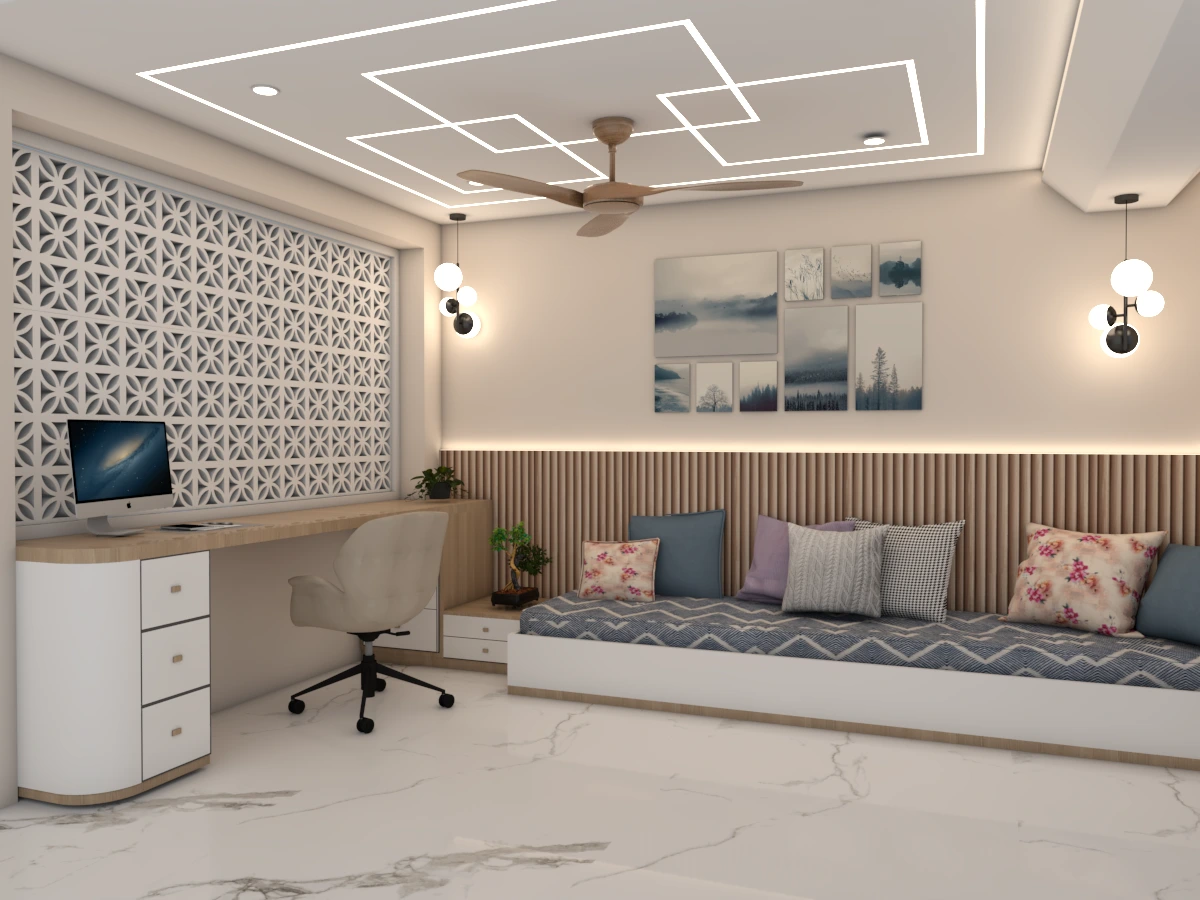
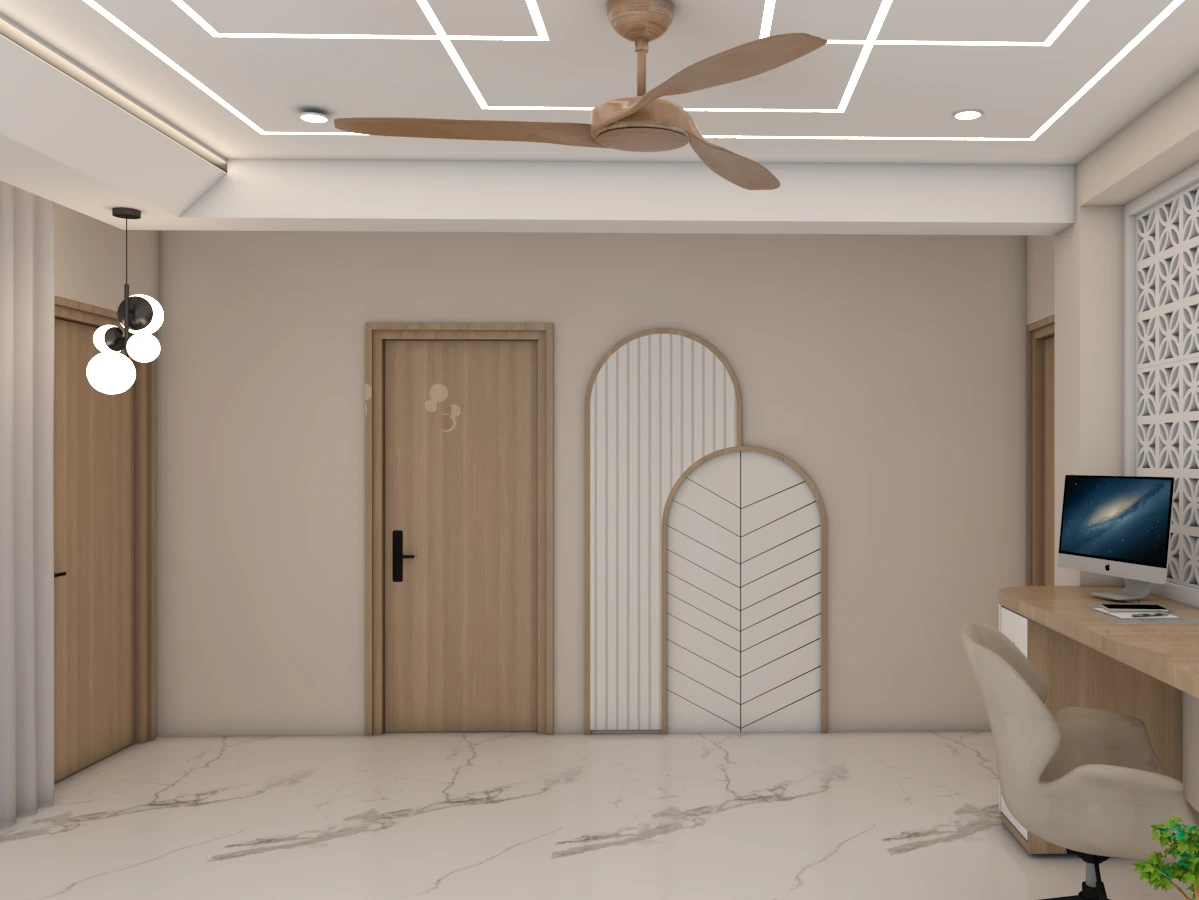
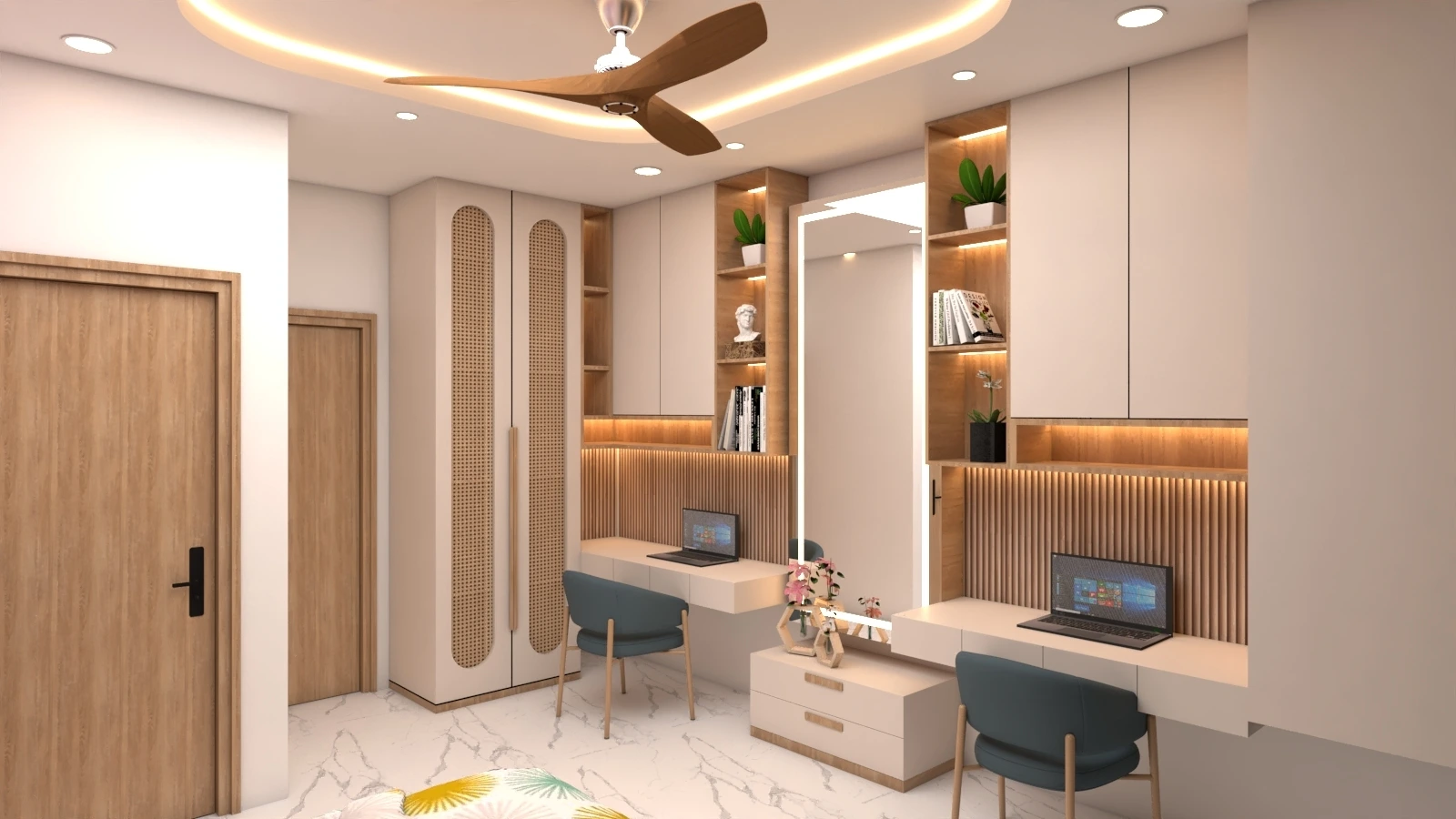
In compact homes, bedrooms often serve multiple functions. A bedroom with an integrated study or workspace is ideal for students, professionals, and freelancers.
We plan this dual-purpose room by:
- Positioning the study near natural light sources
- Using wall-mounted desks to save floor space
- Designing wardrobes with hidden work niches
- Maintaining visual separation through finishes and textures
This approach preserves the calmness of the bedroom while enabling uninterrupted productivity.
Dining Area + Social Lounge: Flexible Family Spaces
Formal dining rooms are becoming less common, especially in apartments. A dining area that doubles as a social lounge supports both daily meals and social gatherings.
Key planning strategies include:
- Extendable or foldable dining tables
- Bench seating with hidden storage
- Lighting that transitions from task-focused to ambient
- Neutral palettes that suit both dining and relaxation
This dual-purpose setup encourages family bonding and effortless hosting without demanding additional space.
Guest Room + Multipurpose Utility Room
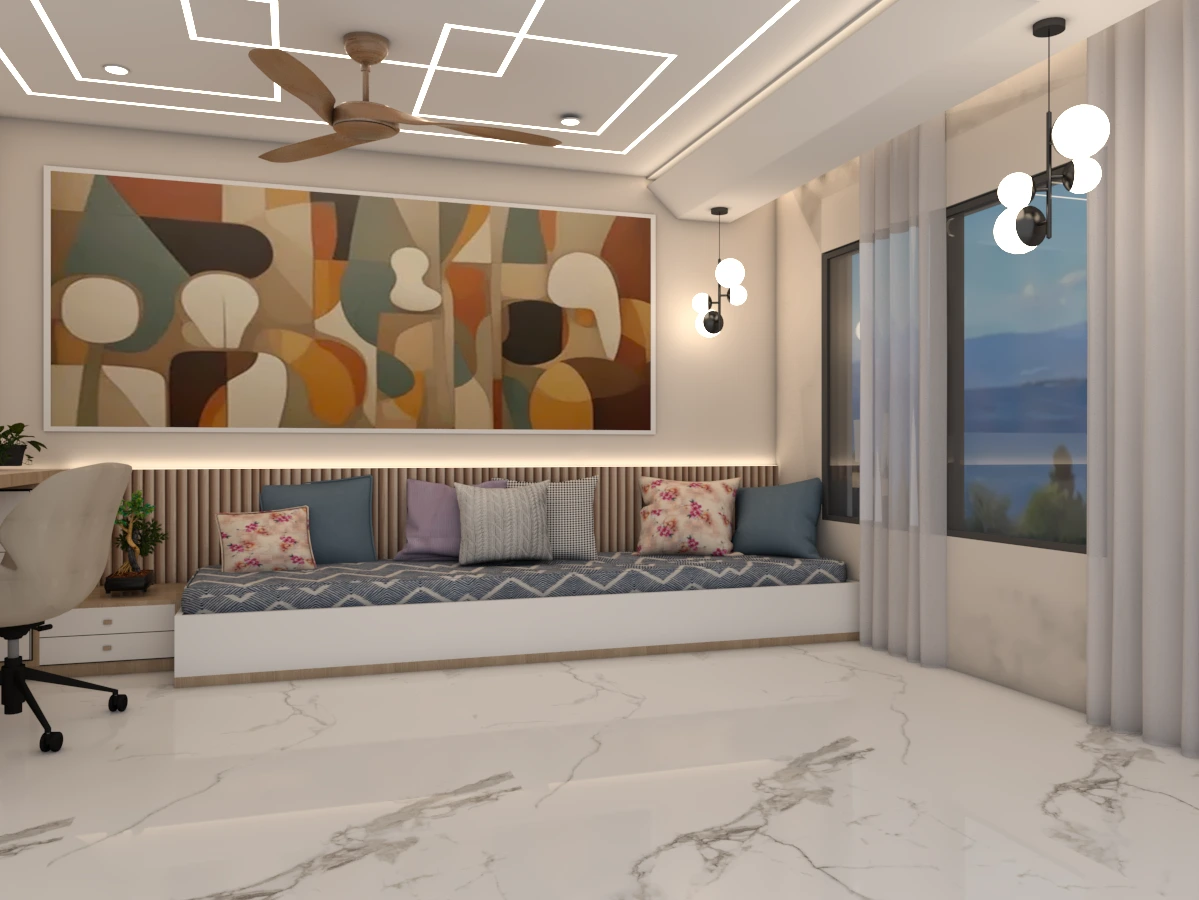
A dedicated guest room often remains unused for most of the year. We optimize this by designing a guest room that doubles as a multipurpose utility room.
This space can function as:
- A home gym
- A yoga or meditation room
- A hobby or craft studio
- A temporary home office
Convertible furniture, such as sofa beds, Murphy beds, and modular storage, allows the room to transform instantly when guests arrive.
Kids’ Room + Play and Learning Zone
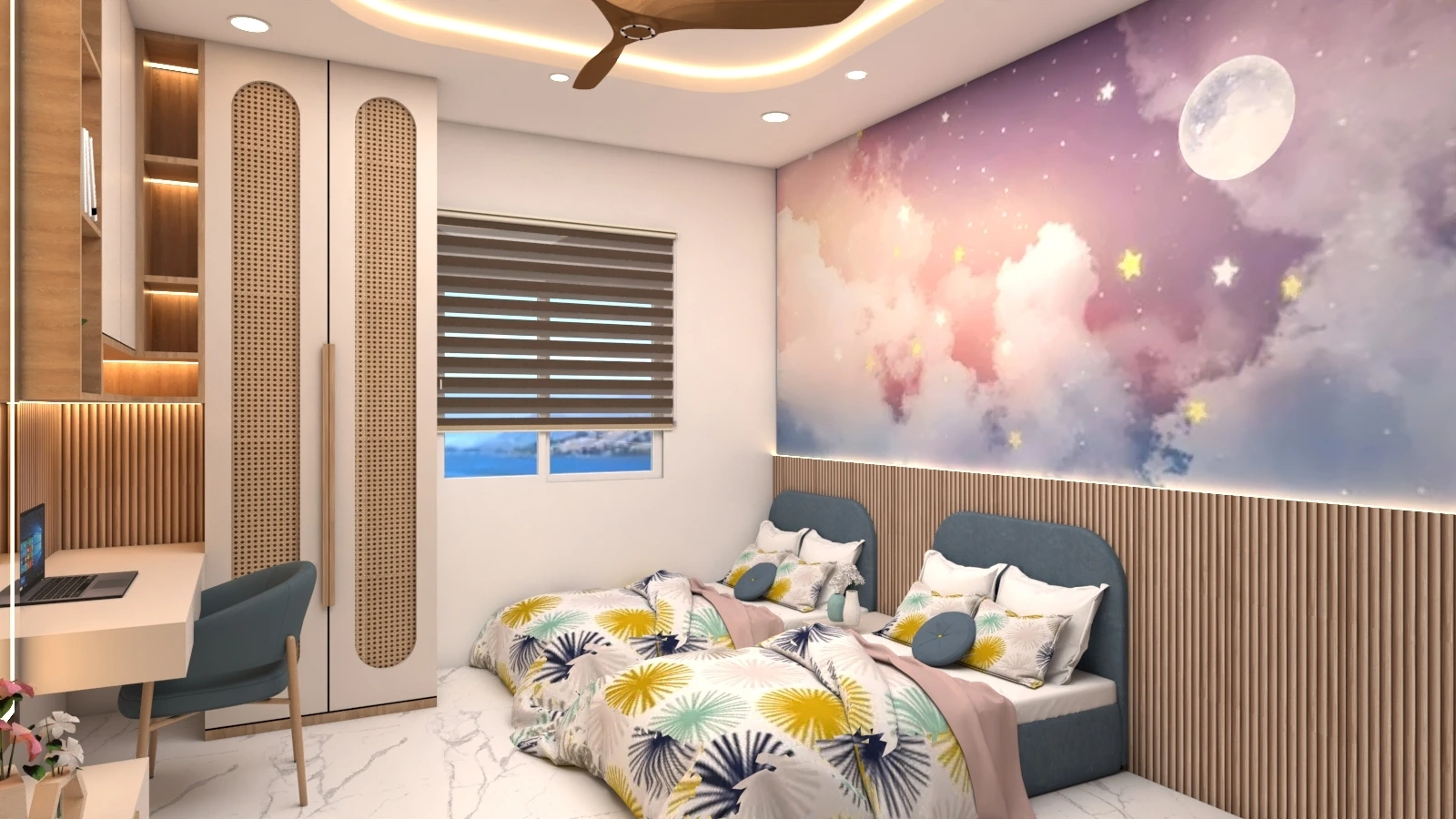
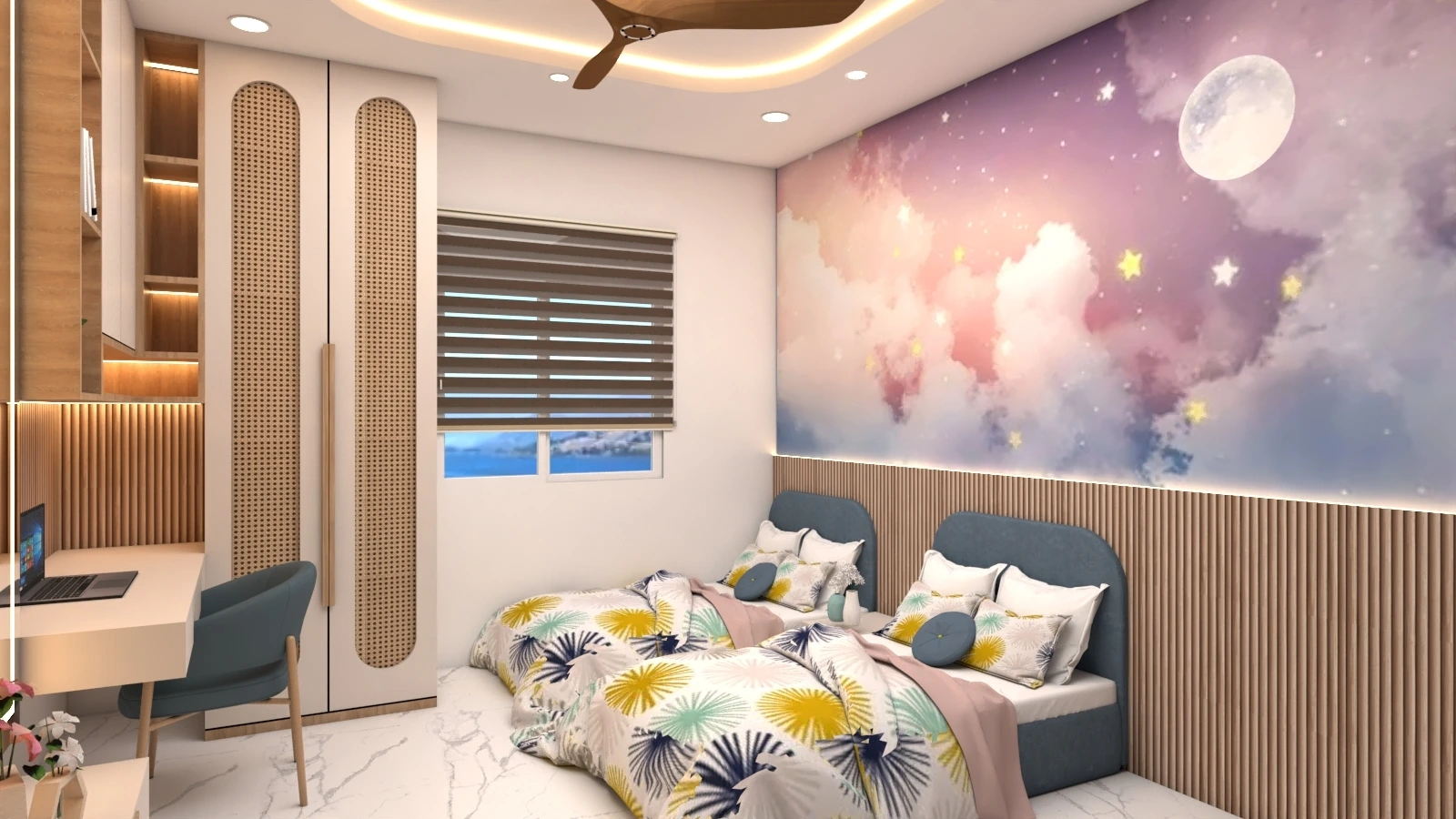
Children’s needs change rapidly. A kids’ room designed as a dual-purpose play and learning zone ensures adaptability as they grow.
We focus on:
- Modular furniture that evolves with age
- Study desks integrated into storage units
- Open floor areas for play
- Durable, easy-to-clean materials
This planning approach supports creativity, discipline, and comfort within a single, well-organized space.
Modern Indian kitchens now feature a smart dual-purpose breakfast or utility zone that improves usability and flow.
Effective solutions include:
- Breakfast counters that double as prep surfaces
- Pull-out pantry systems
- Compact utility corners for washing or storage
- Seamless integration with dining spaces
This design improves efficiency during peak hours while maintaining a clean, uncluttered look.
Balcony + Relaxation or Work Nook
Balconies are often underutilized. We transform them into dual-purpose balconies that serve as relaxation zones or compact work nooks.
With proper planning, balconies can include:
- Foldable seating and tables
- Vertical gardens for privacy and freshness
- Weather-resistant flooring and furniture
- Adequate electrical and lighting provisions
This approach adds functional square footage and enhances mental well-being.
Storage as a Dual-Purpose Design Element
In Indian homes, storage is not optional; it’s essential. We integrate storage as a dual-purpose design element to reduce clutter and enhance usability.
Examples include:
- Storage benches in the living and dining areas
- Bed platforms with built-in drawers
- Staircase storage in duplex homes
- Partition walls with shelving
These solutions deliver functionality without visual bulk.
Design Principles for Successful Dual-Purpose Rooms
To achieve a true double impact, we follow core design principles that ensure balance and efficiency:
- Clear zoning to define each function
- Neutral base palettes with flexible accents
- Multi-functional furniture with clean lines
- Smart lighting layers for different activities
- Acoustic and visual privacy solutions
Consistency in materials and finishes ensures that the space feels cohesive rather than compromised.
Cultural Sensitivity in Dual-Purpose Room Planning
Indian homes are deeply rooted in culture and tradition. We respect this by ensuring that dual-purpose rooms accommodate spiritual practices, family interactions, and lifestyle rituals.
This includes:
- Space for pooja units within living or study areas
- Floor seating compatibility
- Vastu-aligned layouts
- Flexible arrangements for festivals and gatherings
Smart planning never overrides cultural values; it enhances them.
Future-Ready Homes Through Smart Space Planning
As lifestyles continue to evolve, dual-purpose rooms in Indian homes offer long-term adaptability. Whether accommodating remote work, aging parents, or changing family sizes, these spaces remain relevant and resilient.
We see smart spaces as an investment in comfort, efficiency, and future readiness. By designing rooms that do more with less, we create homes that truly work for the people living in them.
Conclusion: Creating Double Impact Through Intelligent Design
Smart spaces are not a trend; they are a necessity. By planning dual-purpose rooms where we require less space with maximum purpose, we unlock the full potential of Indian homes, regardless of size. Each room becomes more than a space; it becomes an experience that adapts, supports, and enhances daily life.
With thoughtful layouts, flexible furniture, and culturally aware design, we achieve double impact, maximum function, and lasting comfort within every square foot.
FAQs
1. What is a dual-purpose room?
A dual-purpose room is a space designed to serve more than one function efficiently.
2. Why are dual-purpose rooms popular in Indian homes?
They help maximize space, reduce clutter, and adapt to modern lifestyles.
3. Can small homes use dual-purpose room designs?
Yes, they are ideal for small homes with limited space.
4. Does dual-purpose planning affect comfort or design?
No, smart planning improves both comfort and aesthetics.
5. Are dual-purpose rooms future-ready?
Yes, they easily adapt to changing family and lifestyle needs.