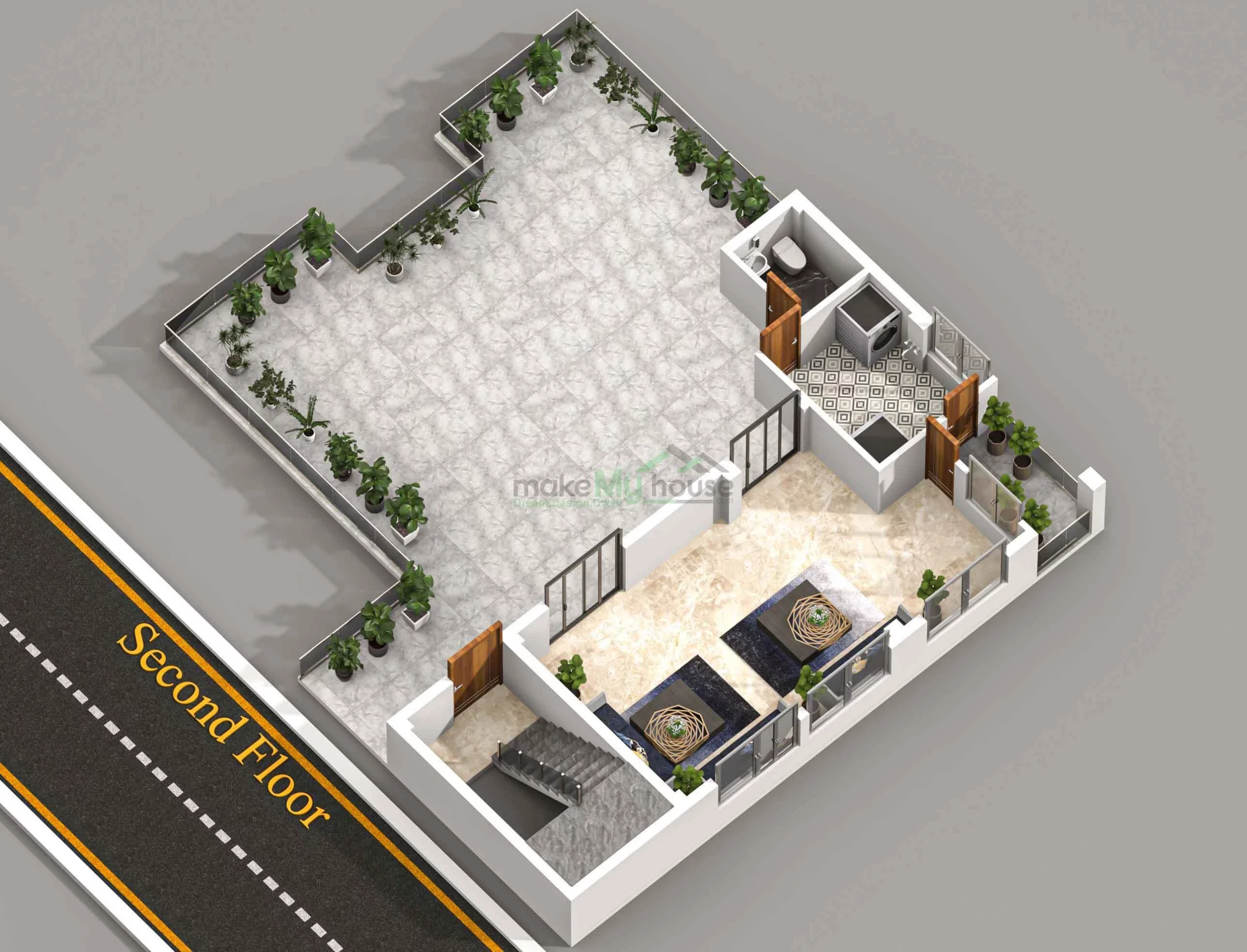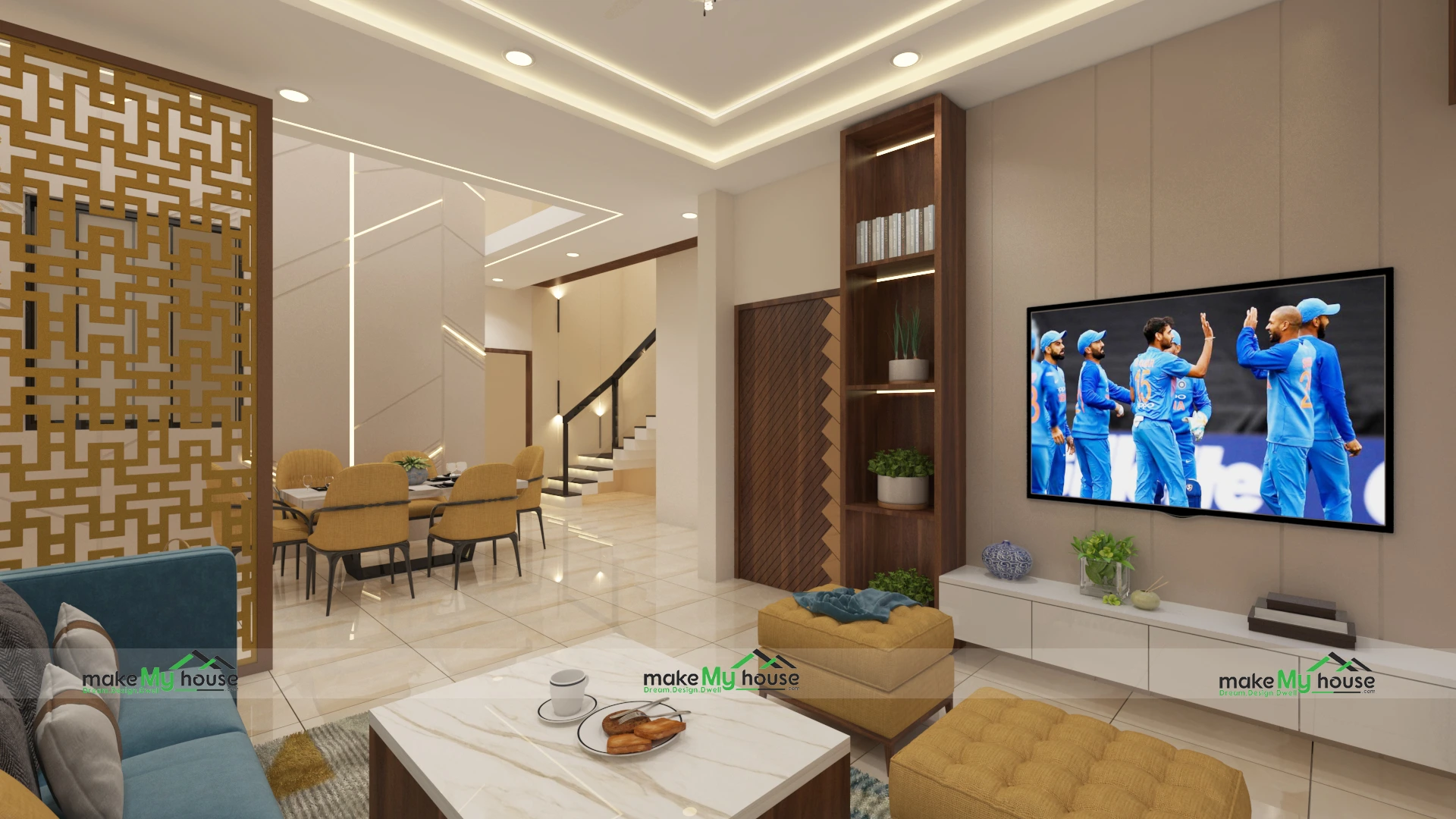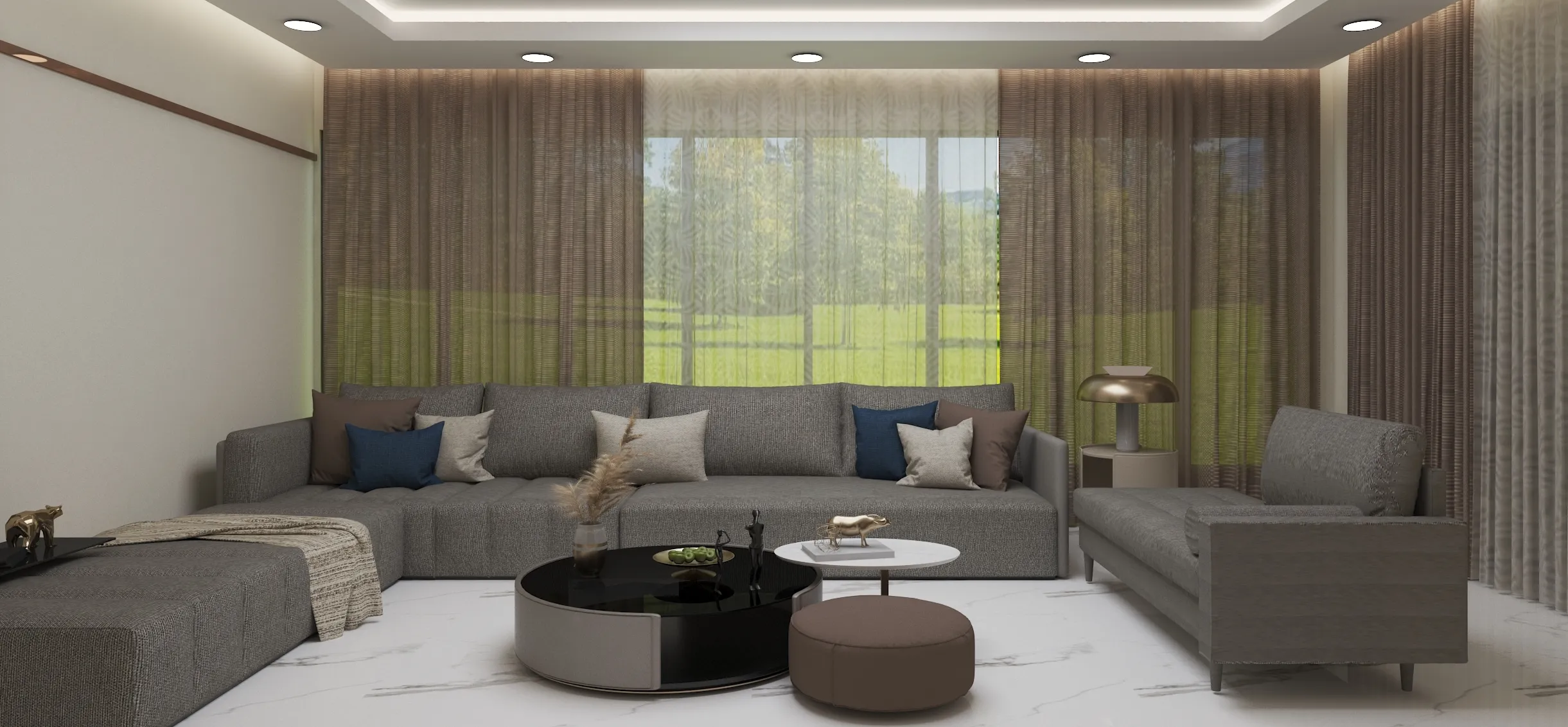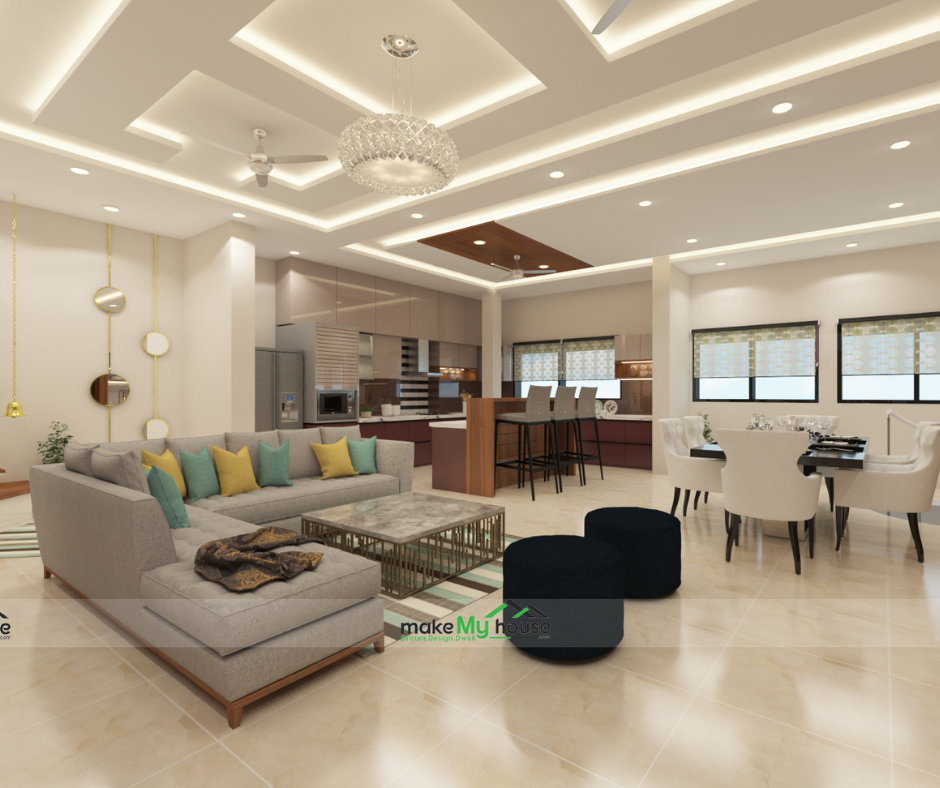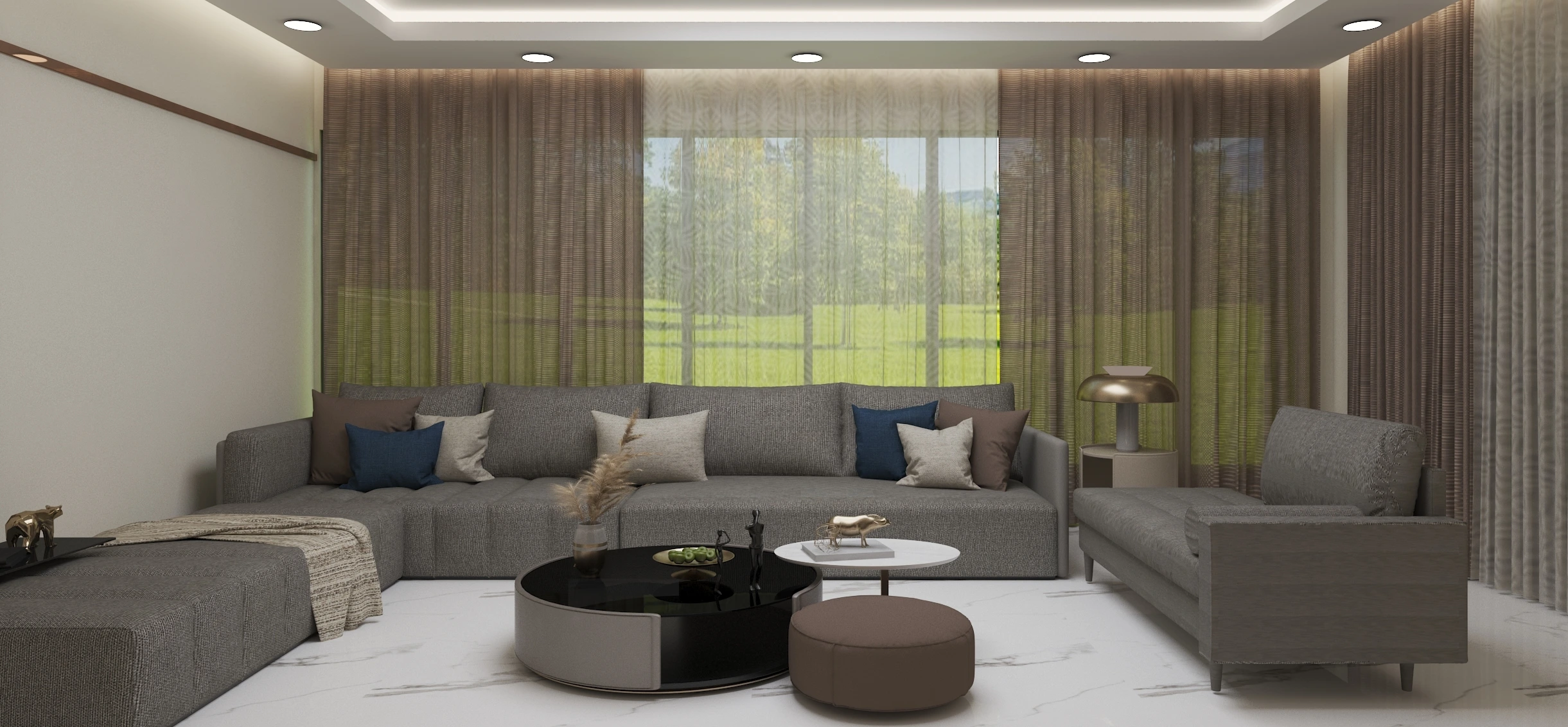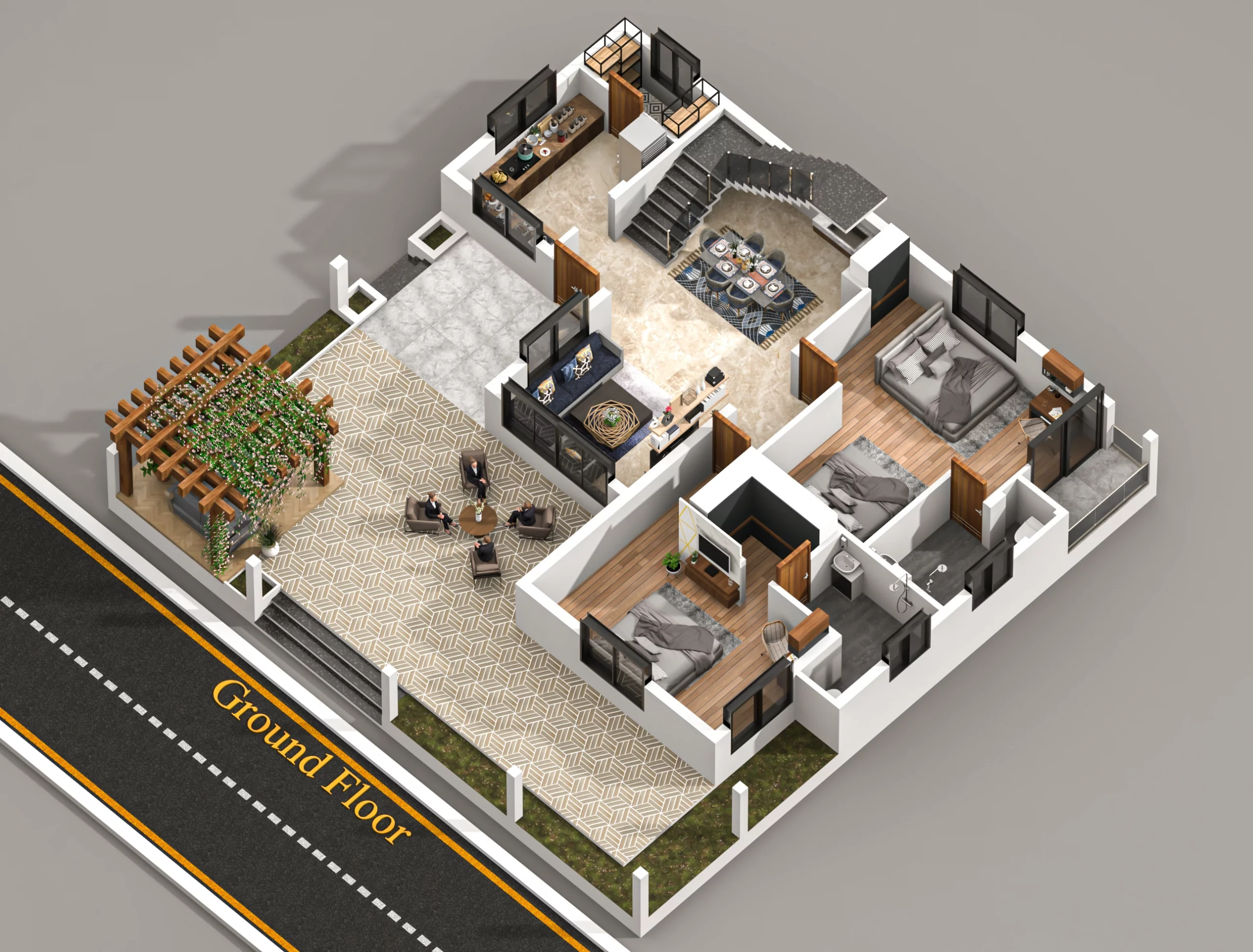




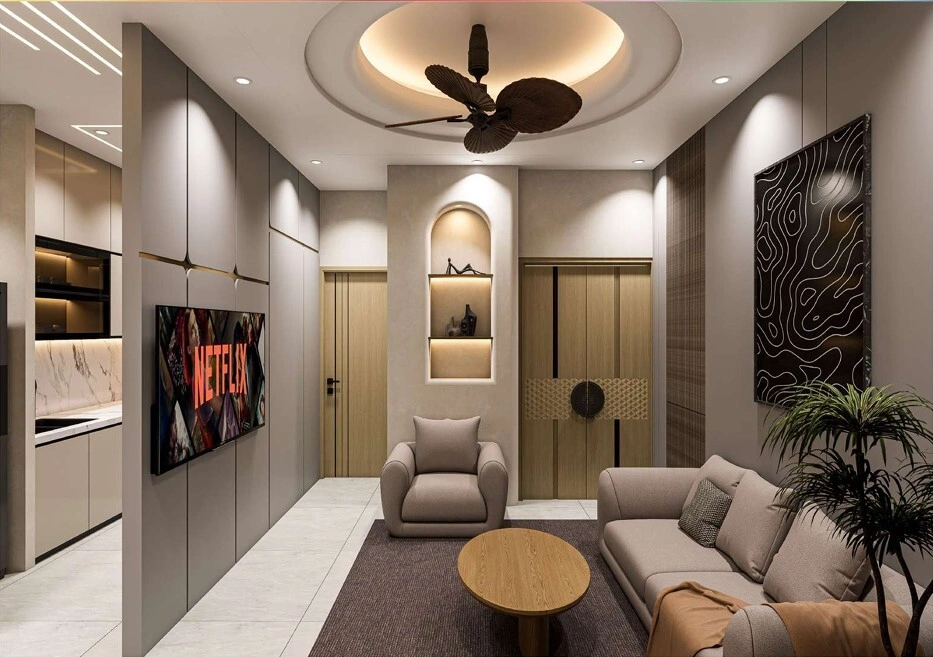
A home can be large yet still feel cramped this is, surprisingly, a very common problem. Conversely, even a small home can sometimes feel so comfortable that every corner feels practical and functional.
The difference, for the most part, lies in “space planning.”
I have personally observed in numerous residential projects that people often focus heavily on beautiful elevations, expensive interiors, and luxury materials, while completely neglecting basic space planning. The result? Daily inconvenience.
- Furniture doesn’t fit properly.
- Walking spaces feel cramped.
- Storage is inadequate or missing.
- Rooms feel disconnected from one another.
That is precisely why understanding the importance of space planning in residential architecture is crucial. Good planning doesn’t just make a home beautiful; it also makes it easy to live in.
- What Is Space Planning?
- To put it in simple terms:
Space planning means intelligently organizing every area within the home.
It involves deciding on:
- Room sizes
- Furniture placement
- Movement flow (circulation)
- Storage areas
- Natural light and ventilation
- The balance of privacy
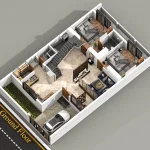
In short: planning the home’s layout to suit the rhythm of daily life.
The Importance of Space Planning in Residential Architecture – Why It Matters So Much
The size of your home alone does not determine how comfortable it feels; the planning does.
I once compared a 900 sq ft home with a 1400 sq ft home. Surprisingly, the smaller home felt far more functional because its layout had been properly planned.
Good space planning:
- Reduces wasted space
- Enhances comfort
- Makes the home feel organized
- Provides flexibility for the future
1. Better Daily Movement and Comfort
The primary benefit is smooth movement throughout the home.
If:
- The sofa is oversized
- The dining area is awkwardly placed
- The passageways are too narrow
…then the home feels uncomfortable to navigate on a daily basis.
- Good planning ensures:
- Ample walking space
- Balanced furniture arrangement
- Comfortable circulation
In one project, I simply shifted the dining table and the entire living area instantly began to feel open and spacious.
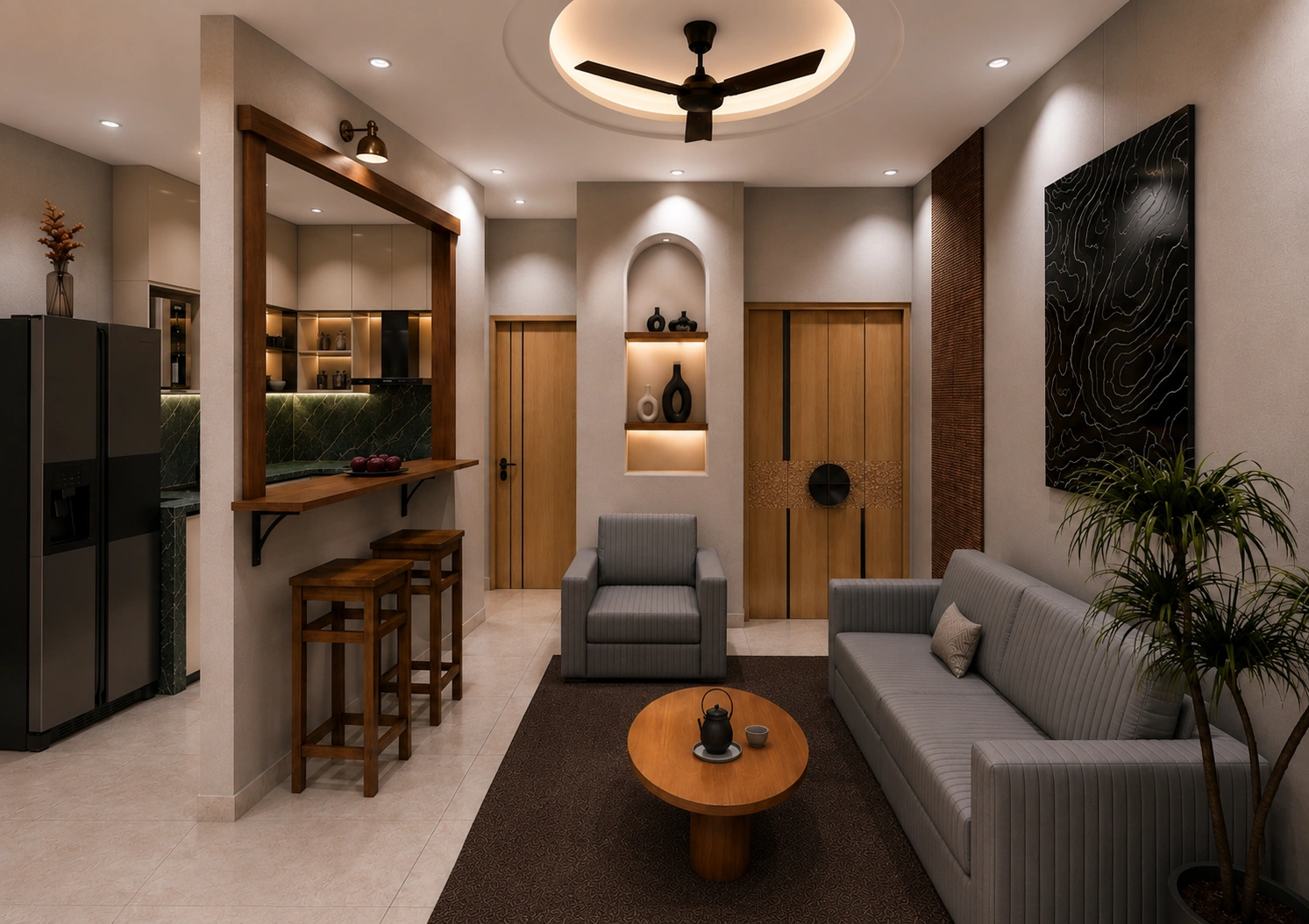
2. Even Small Homes Can Feel Spacious
This is a very important point.
A small house does not necessarily mean a cramped house. With proper planning:
- An open feel is created
- Visual clutter is reduced
- Multi-use spaces function effectively
Examples:
- Open kitchen + dining area
- Wall-mounted storage
- Sliding doors
These tricks actually enhance the usable space.
3. Natural Light and Ventilation Are Improved
Space planning is also intrinsically linked to airflow and sunlight.
If the room placement is smart:
- Natural light enters more effectively
- Cross-ventilation is improved
- Dependency on artificial lighting is reduced
I have personally observed that poorly planned homes tend to feel dark, even during the daytime.
4. Furniture Placement Becomes Easier
This is a problem almost every homeowner faces:
“Where should we place the furniture?”
The reason is simple the planning process did not take furniture dimensions into account.
Good space planning:
- Determines the furniture layout in advance
- Plans power points accordingly
- Avoids awkward, empty corners
5. Storage Problems Are Minimized
A shortage of storage space leads to frustration down the line.
I have seen this in many homes:
- Insufficient wardrobe space
- Lack of kitchen storage
- Poorly planned utility areas
The result:
- Clutter
- Additional cabinets
- Blocked walkways/space
Smart planning creates hidden storage solutions without overcrowding the area.
6. Privacy Is Better Maintained
Privacy is a crucial element in residential architecture.
If the planning is weak:
- The bedroom may be directly visible from the living room
- The bathroom may be situated in an awkward position
- Noise travels easily throughout the house
Good planning:
- Separates public and private zones
- Enhances the family’s overall comfort
7. Future Modifications Become Easier
Family needs evolve over time.
- Children grow up
- A work-from-home setup may become necessary
- Additional storage space may be required
- Flexible planning makes future modifications much easier.
In one project, I planned an extra study corner to accommodate future requirements the client later converted it into a dedicated home office setup.
A Step-by-Step Space Planning Process
If you are designing a new home, this practical process will prove to be very helpful.
Step 1: Understand the Family’s Lifestyle
First and foremost, consider:
- How many members are in the family?
- Do you frequently host guests?
- Do you require a work-from-home setup?
Are there children in the family? The layout is decided by lifestyle planning.
Step 2: Decide Priority Spaces
Every family has different priorities.
Someone log:
- Large kitchen is preferred.
- Some open living area
- Some storage-focused design
It was not necessary to give equal importance to everyone.
Step 3: Think Before Furniture Layout
Furniture layout is incomplete without planning.
Consider:
- Bed size
- Sofa dimensions
- Dining table
- Wardrobe depth
I honestly say – ignoring furniture planning creates headache later.
Step 4: Check Movement Flow
There should be a natural walking path in every room.
Avoid:
- Furniture blockage
- Narrow passage
- Awkward door openings
Step 5: Integrate Light and Ventilation
Space planning isn’t merely about the arrangement of walls.
It Includes:
- Window positioning
- Ventilation paths
- Daylight flow
Real-World Tips
✔ Tip 1: Empty space is also important
It isn’t necessary to fill every corner.
✔ Tip 2: Open layouts are highly effective in small homes
Combining the living and dining areas creates a sense of openness.
✔ Tip 3: Minimize passage areas
Long, useless corridors waste valuable space.
✔ Tip 4: Plan utility areas properly
This ensures that the washing machine and storage don’t become a problem later on.
Common Space Planning Mistakes
❌ Focusing solely on the room count
Functionality often gets overlooked.
❌ Using oversized furniture
The room feels cramped and confined.
❌ Neglecting natural light
Dark interiors feel uncomfortable.
❌ Poor storage planning
This leads to increased clutter.
❌ Random room arrangement
The flow of movement within the home is disrupted.
Importance of Space Planning in Residential Architecture – Quick Summary
To put it simply:
- Good space planning:
- Enhances comfort
- Makes the home functional
- Saves space
- Improves lighting and airflow
- Makes daily life easier
It is the hidden factor that truly makes a house “livable.”
FAQs –
1. What is space planning?
It involves organizing the spaces within a home in a practical and comfortable manner.
2. Is space planning important for small homes as well?
Yes, it is even more critical in small homes.
3. What is the biggest benefit of space planning?
Enhanced comfort and functionality.
4. Is furniture planning part of space planning?
Absolutely; furniture placement is a very important component.
5. Are open layouts useful?
Yes, they create a sense of openness, especially in compact homes.
6. Does space planning affect natural light?
Yes, the placement of rooms and windows has a direct impact on it.
7. Why is storage planning important?
Proper storage reduces clutter and prevents space blockage.
8. Should future needs also be considered?
Yes, flexible planning proves beneficial in the long run.
Conclusion
A good home is not built merely from expensive materials or stylish interiors; it is built through smart planning.
If you truly appreciate the importance of space planning in residential architecture, your home will turn out to be not just beautiful, but practical as well.
I have clearly observed this in my own projects: homes with good planning exude a sense of calm and comfort, whereas in poorly planned homes, people are constantly making adjustments.
Space planning is invisible… yet its impact is felt every single day.