Designing a home is not just about selecting beautiful finishes or following trending styles; it is about creating a space that supports your lifestyle for years to come. Unfortunately, many homeowners unknowingly make planning errors that later turn into daily inconveniences or expensive renovations. This is why understanding Home Design Mistakes to Avoid and Practical Solutions That Actually Work becomes extremely important at the very beginning of the design journey.
Moreover, design mistakes are often irreversible once construction is complete. From poor layouts to wrong lighting choices, these issues impact comfort, usability, and even mental well-being. Therefore, identifying common mistakes early and applying smart solutions ensures that your home is not only visually appealing but also practical and efficient.
Poor Space Planning: A Major Home Design Mistake to Avoid and Practical Solutions That Actually Work
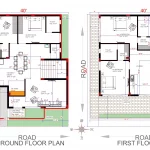
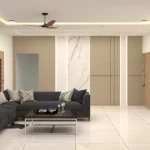
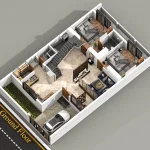
One of the most common and costly mistakes homeowners make is poor space planning. Often, rooms are designed without considering how people will actually move and live within them. As a result, homes may look spacious on paper but feel cramped in reality, making everyday activities uncomfortable.
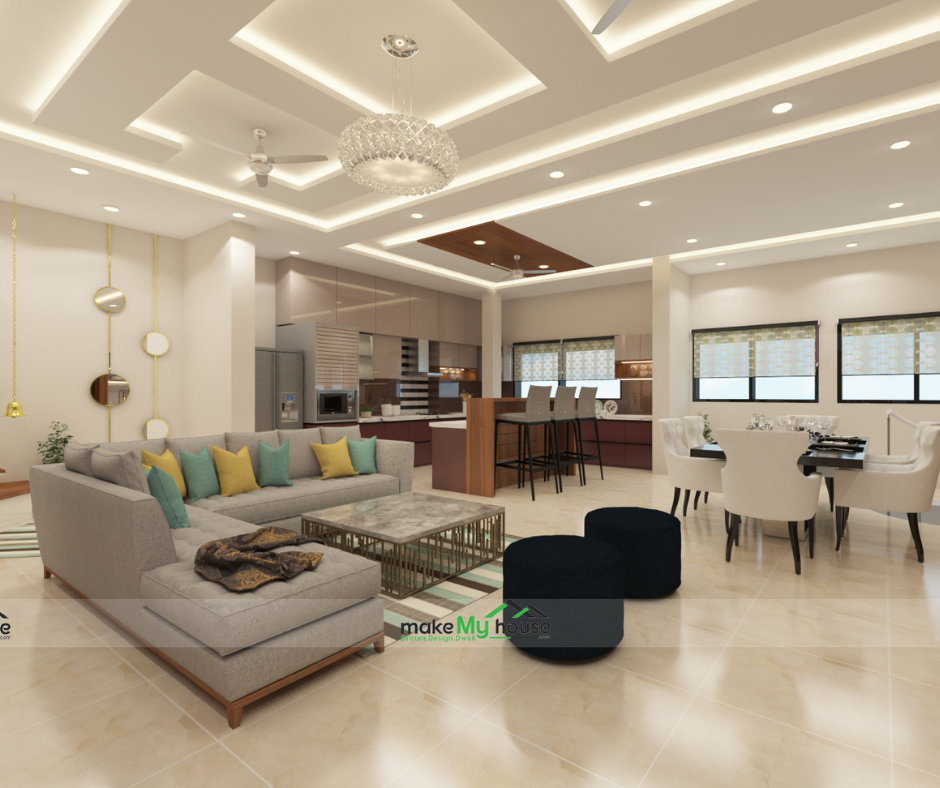
This problem usually arises when layouts are finalised without proper furniture planning or circulation flow. For example, oversized sofas block walking areas, or unnecessary partitions reduce usable space. However, practical solutions that actually work include planning layouts around daily movement, selecting furniture proportionate to room size, and opting for open or semi-open plans where possible. Consequently, good space planning enhances both functionality and visual balance.
Ignoring Natural Light and Ventilation
Another critical mistake in home design is neglecting natural light and ventilation. Homes that lack daylight often feel dull, closed, and unhealthy, even if the interiors are well-designed. Additionally, poor ventilation can lead to humidity issues and discomfort, especially in Indian climates.
This usually happens when window placement is not thoughtfully planned or when heavy curtains and dark finishes block light. However, practical solutions include designing larger openings, using sheer curtains, and ensuring cross-ventilation through proper window alignment. As a result, natural light improves energy efficiency, enhances mood, and creates a sense of openness throughout the home.
Wrong Furniture Choices and Scale
Furniture selection plays a major role in how a home feels, yet it is often overlooked during planning. Choosing furniture that does not match the room size can make even a well-designed space feel awkward and unbalanced. Oversized furniture dominates small rooms, while undersized pieces make large spaces look incomplete.
This is one of the most overlooked Home Design Mistakes to avoid and Practical Solutions That Actually Work, especially in compact urban homes. The solution lies in measuring spaces accurately, choosing modular or multi-functional furniture, and maintaining adequate movement space. Therefore, thoughtful furniture planning ensures comfort, proportion, and better usability.
Lack of Storage Planning
Storage is the backbone of an organised home, yet many homeowners realise its importance only after moving in. Without sufficient storage, clutter builds up quickly, affecting both aesthetics and mental peace. Even a beautifully designed home can look messy if storage is poorly planned.
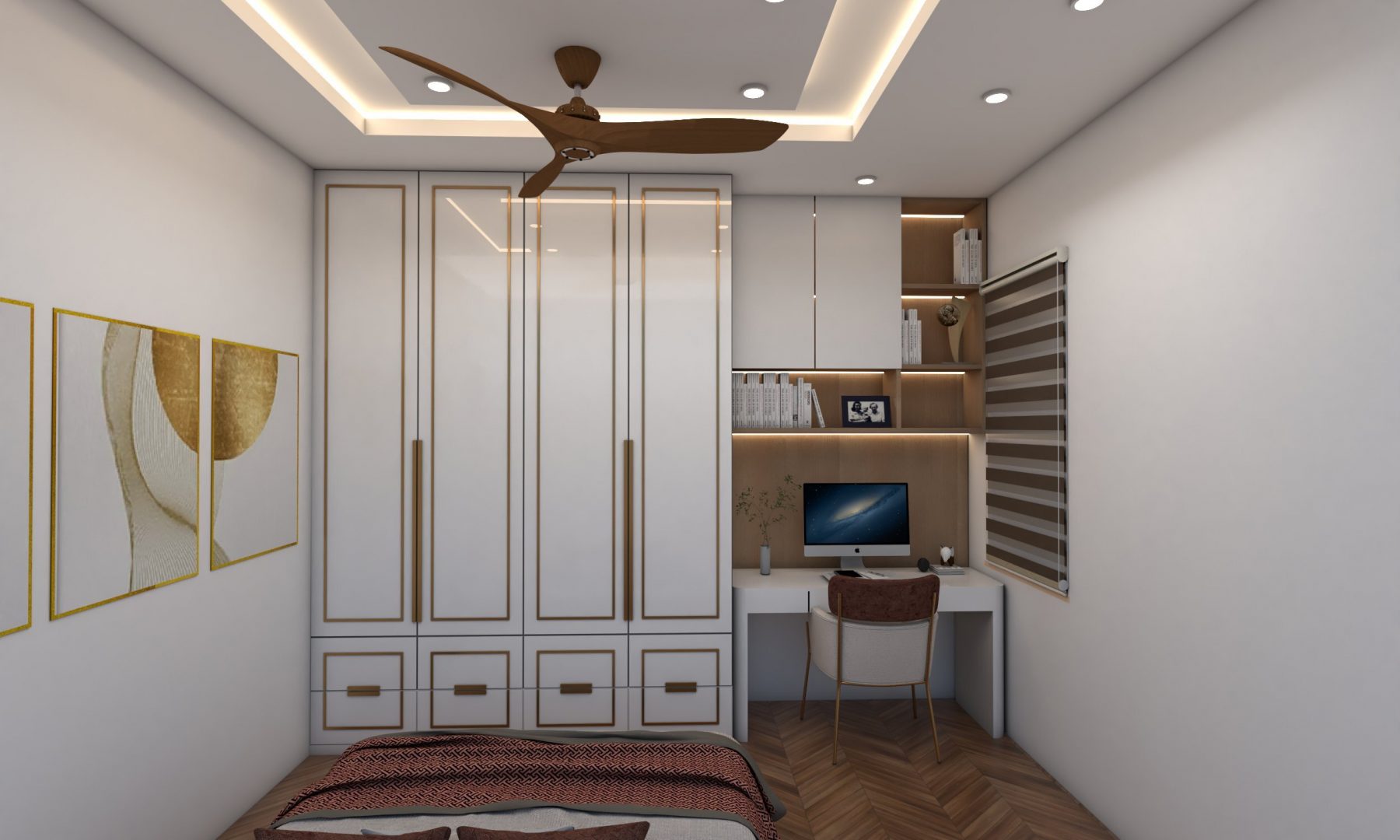
This mistake usually occurs when storage is treated as an add-on rather than an integral design element. Practical solutions that actually work include incorporating built-in wardrobes, using vertical storage, and designing multi-purpose furniture with hidden compartments. As a result, storage becomes seamless, keeping the home clean and visually calm.
Poor Lighting Design
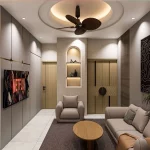
Lighting is often limited to a single ceiling fixture, which creates flat and uncomfortable interiors. This approach fails to highlight architectural features and does not support different activities within a space.
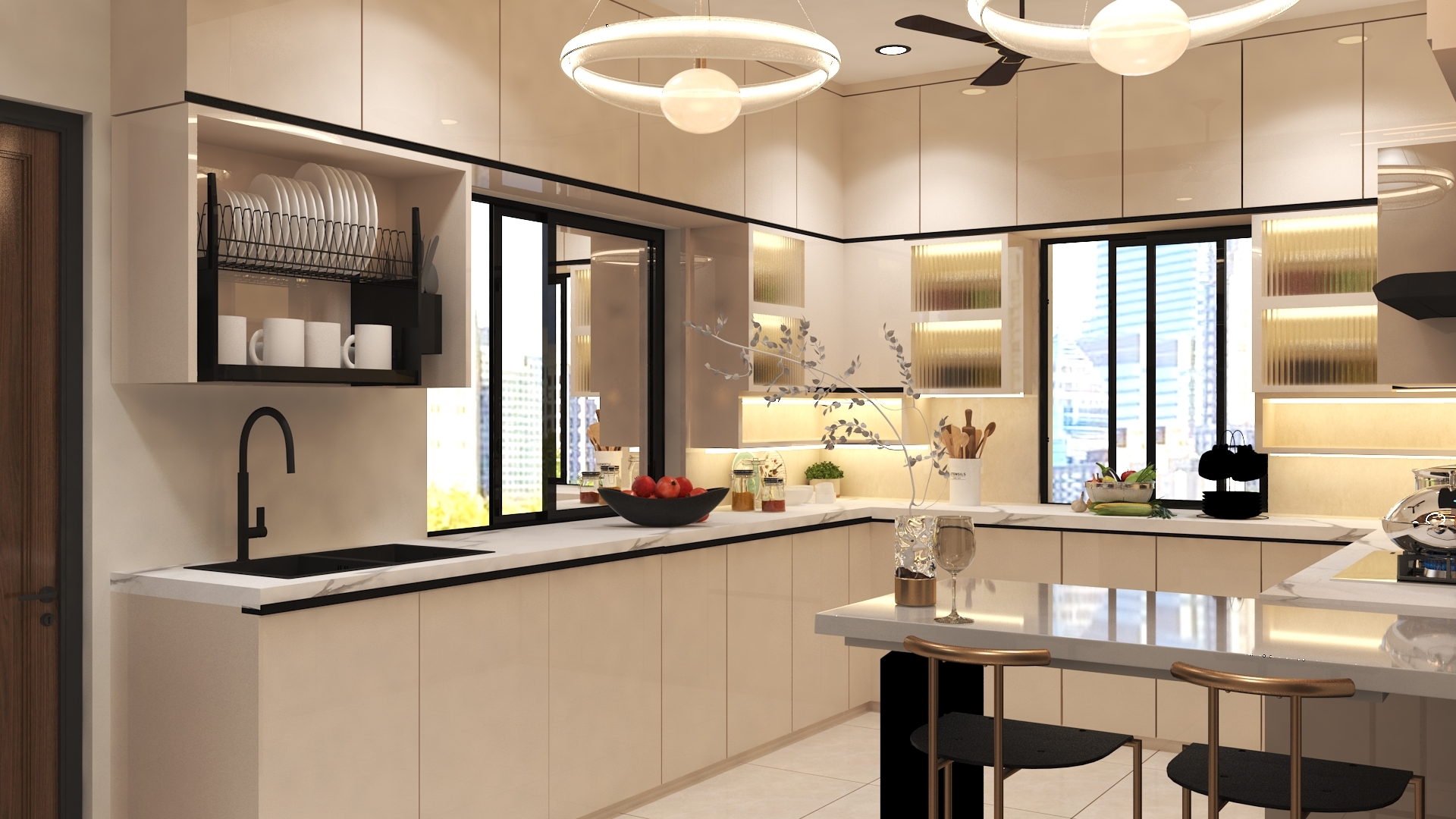
Poor lighting design is a common but avoidable mistake. Instead of relying on one light source, practical solutions include layering lighting with ambient, task, and accent lights. For instance, warm lighting works well for living areas, while focused lighting is ideal for kitchens and workspaces. Consequently, well-planned lighting enhances mood, functionality, and the overall ambience of the home.
Choosing Aesthetics Over Functionality
While aesthetics are important, prioritising style over functionality can lead to long-term discomfort. Many homeowners select finishes or layouts based solely on appearance, ignoring practicality and maintenance needs.
This is a crucial aspect of Home Design Mistakes to Avoid and Practical Solutions That Actually Work. Slippery flooring, poor kitchen ventilation, or uncomfortable furniture may look good initially but cause daily inconvenience. Therefore, the best solution is to strike a balance between beauty and usability, ensuring that materials, layouts, and furniture support everyday living.
Inadequate Electrical and Switch Planning
Electrical planning is another area that is often underestimated during design. Poor placement of switches and a lack of plug points can make daily tasks frustrating and inconvenient.
This mistake usually happens when future needs are not considered. Practical solutions include planning electrical points room-wise, adding extra sockets for flexibility, and incorporating modern features like USB ports and smart switches. As a result, proper electrical planning ensures safety, comfort, and long-term convenience.
Ignoring Professional Guidance
Many homeowners attempt to manage design decisions independently to save costs. However, skipping professional guidance often leads to errors that cost more to fix later. From incorrect layouts to inefficient material usage, the risks are significant.
This is one of the most expensive Home Design Mistakes to avoid and Practical Solutions That Actually Work. Consulting architects or interior designers during the planning stage helps identify potential issues early and ensures technical accuracy. Therefore, professional guidance ultimately saves time, money, and stress.
Conclusion
In conclusion, understanding Home Design Mistakes to Avoid and Practical Solutions That Actually Work is essential for creating a home that is both beautiful and practical. While design trends may change, good planning principles remain timeless.
By focusing on space planning, lighting, storage, functionality, and expert guidance, homeowners can avoid common pitfalls and build homes that truly enhance daily living. Ultimately, a well-designed home is not just about aesthetics; it is about comfort, efficiency, and long-term satisfaction.
FAQs
1. What are common home design mistakes? Poor layout planning, wrong lighting, lack of storage, and ignoring ventilation are common home design mistakes.
2. How can home design mistakes be avoided? Proper planning, expert consultation, and functional design choices help avoid home design mistakes.
3. Does lighting affect home design? Yes, poor lighting is a major home design mistake that impacts comfort, mood, and functionality.
4. Is storage planning important in home design? Absolutely. Lack of storage is a common home design mistake that leads to cluttered spaces.
5. Can home design mistakes be corrected later? Some can be fixed, but preventing home design mistakes during planning saves time and money.