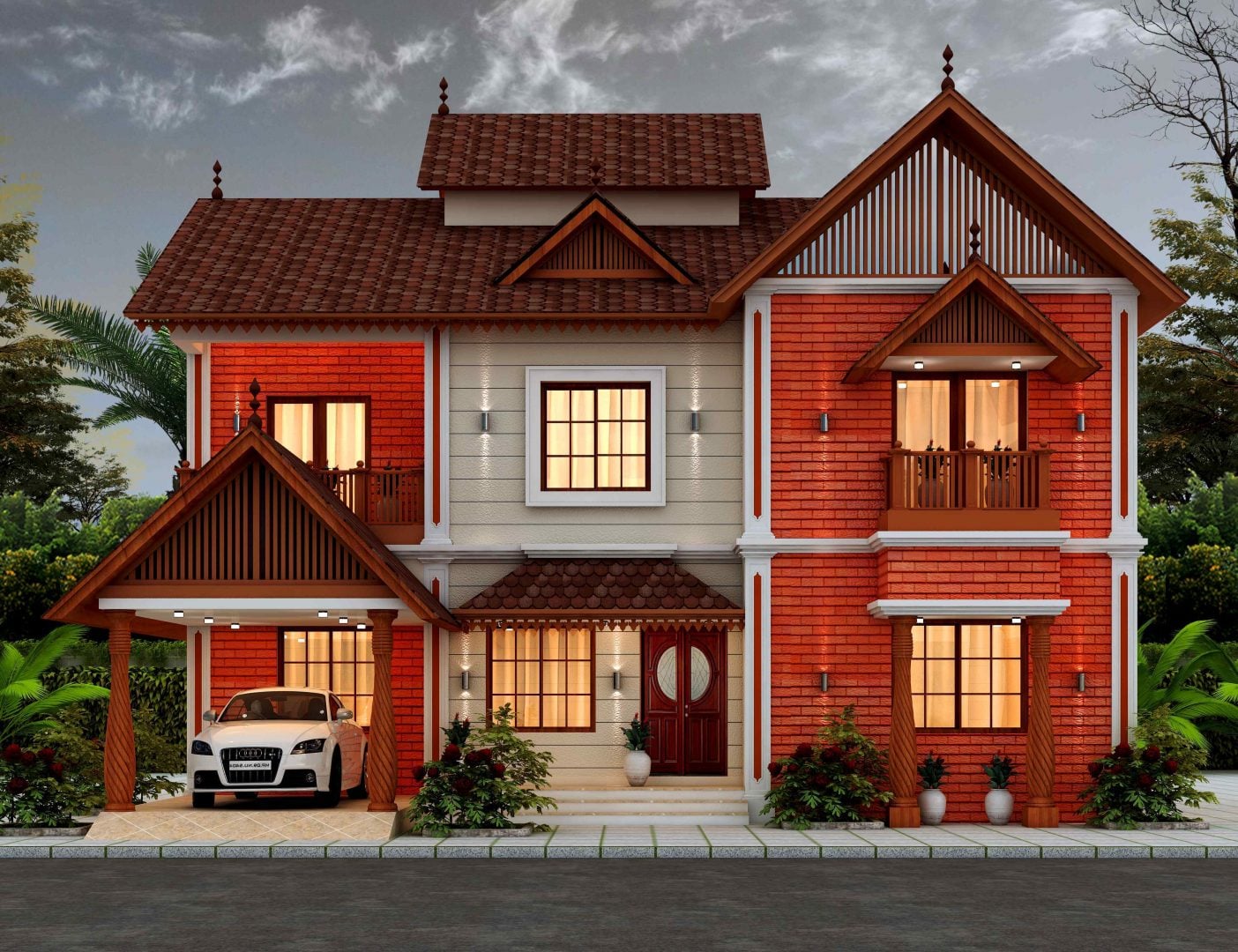
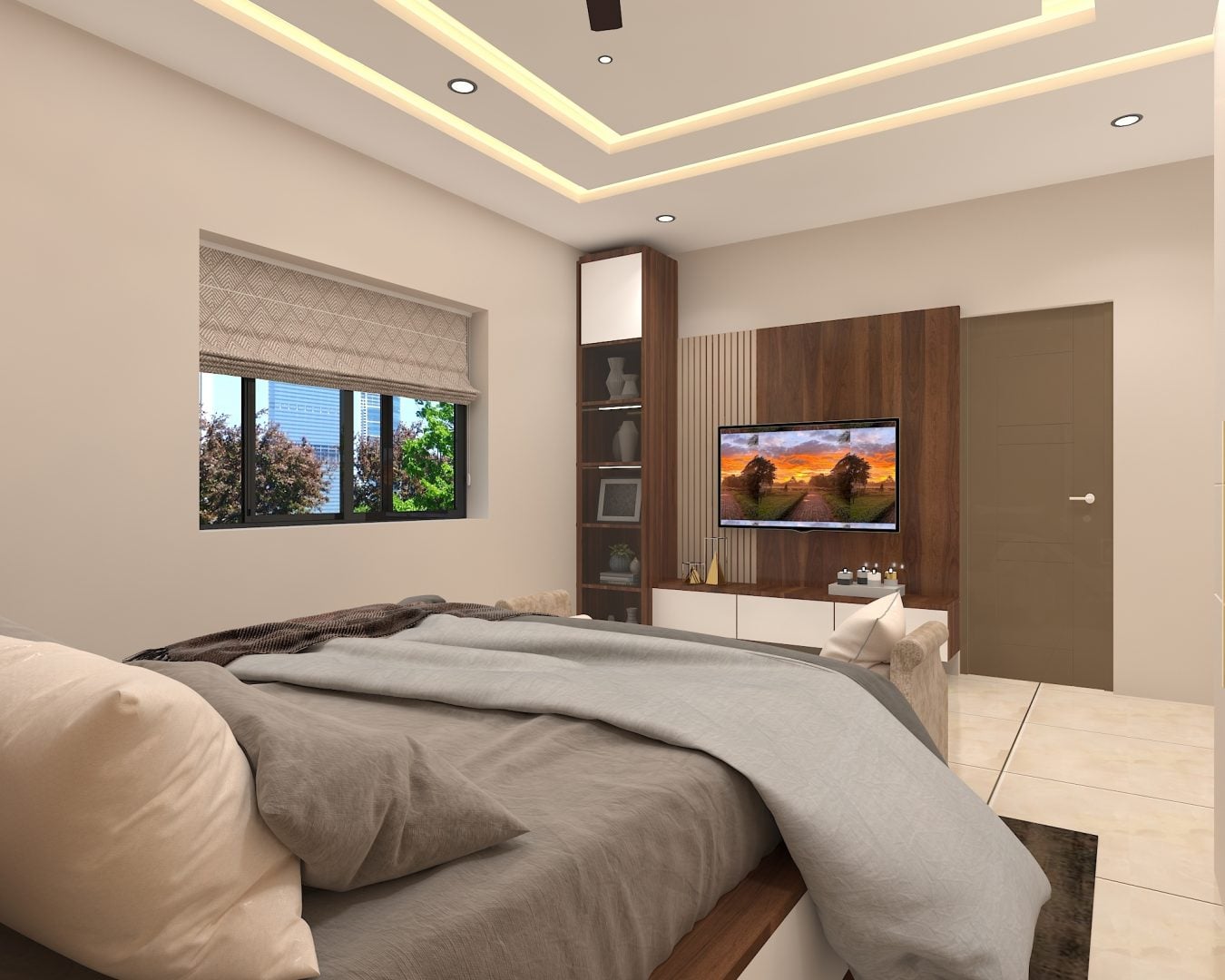
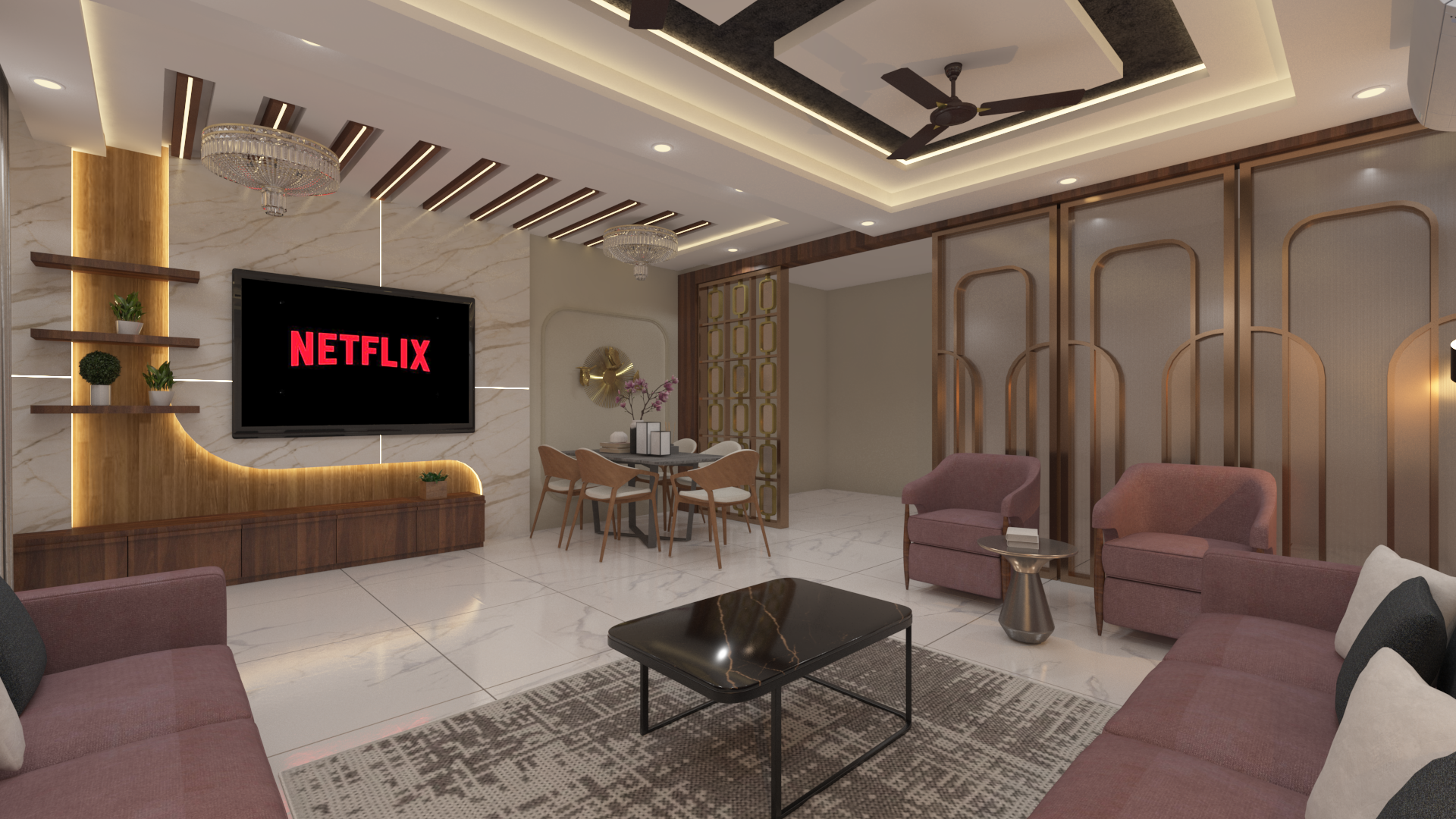
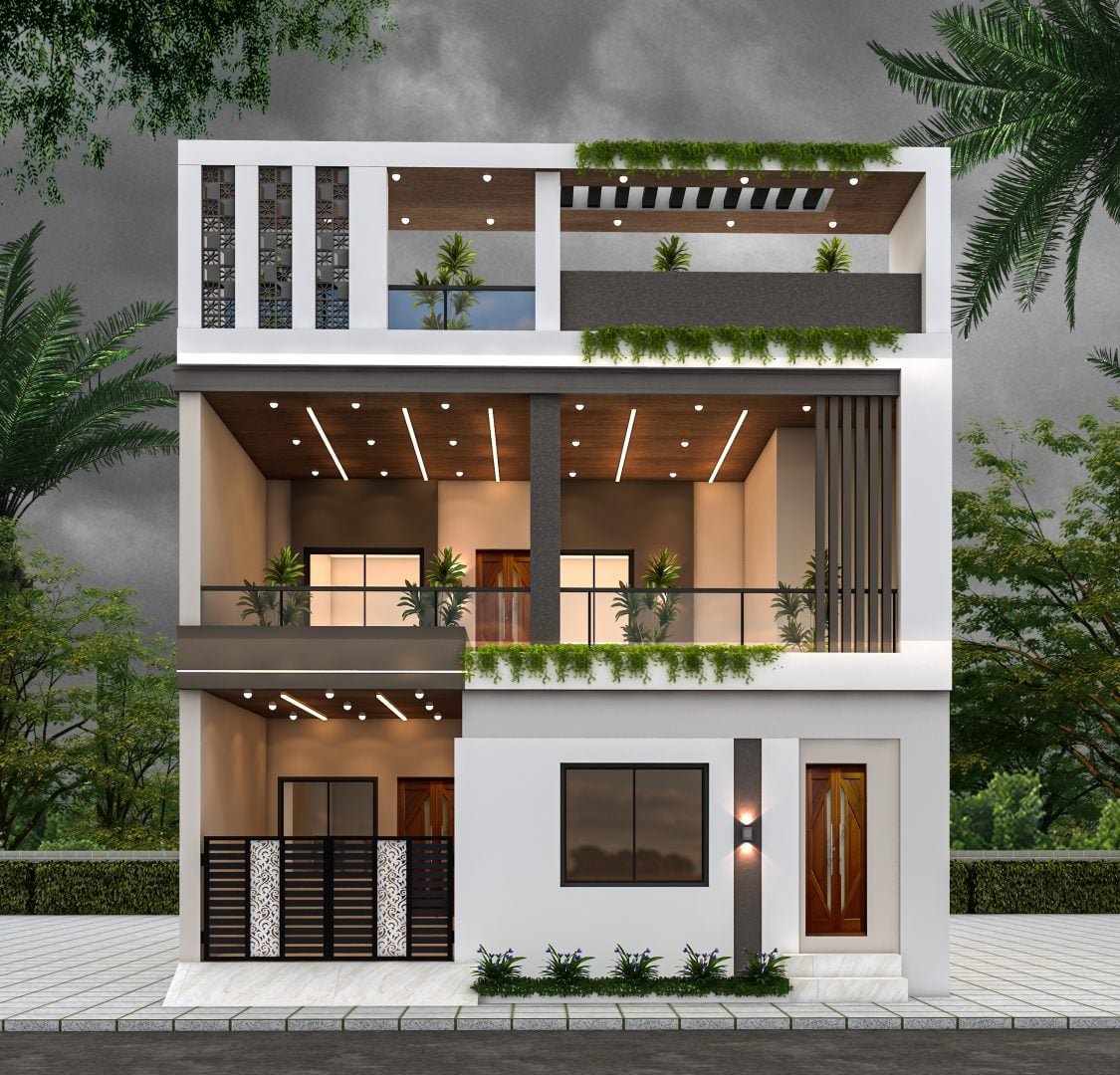
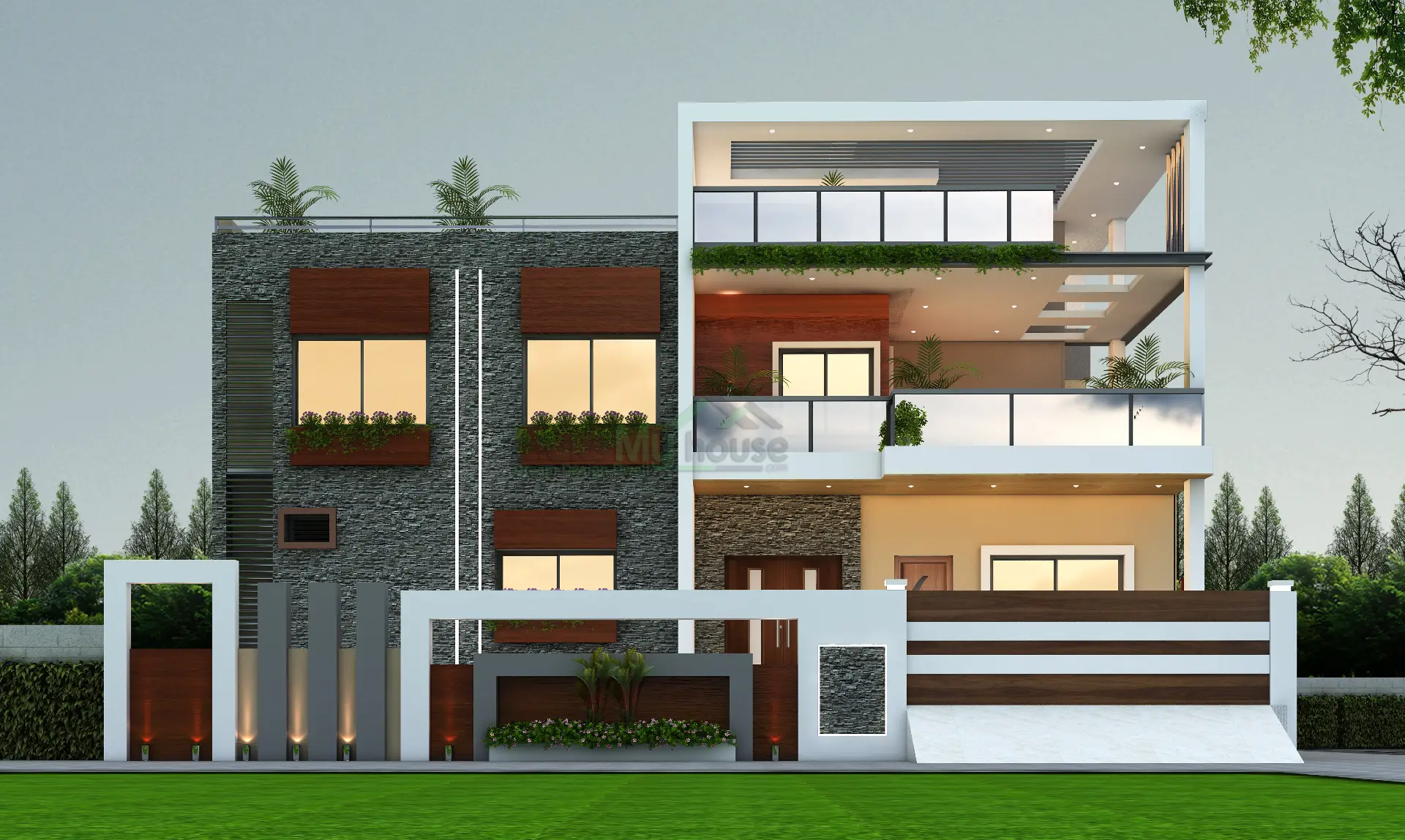
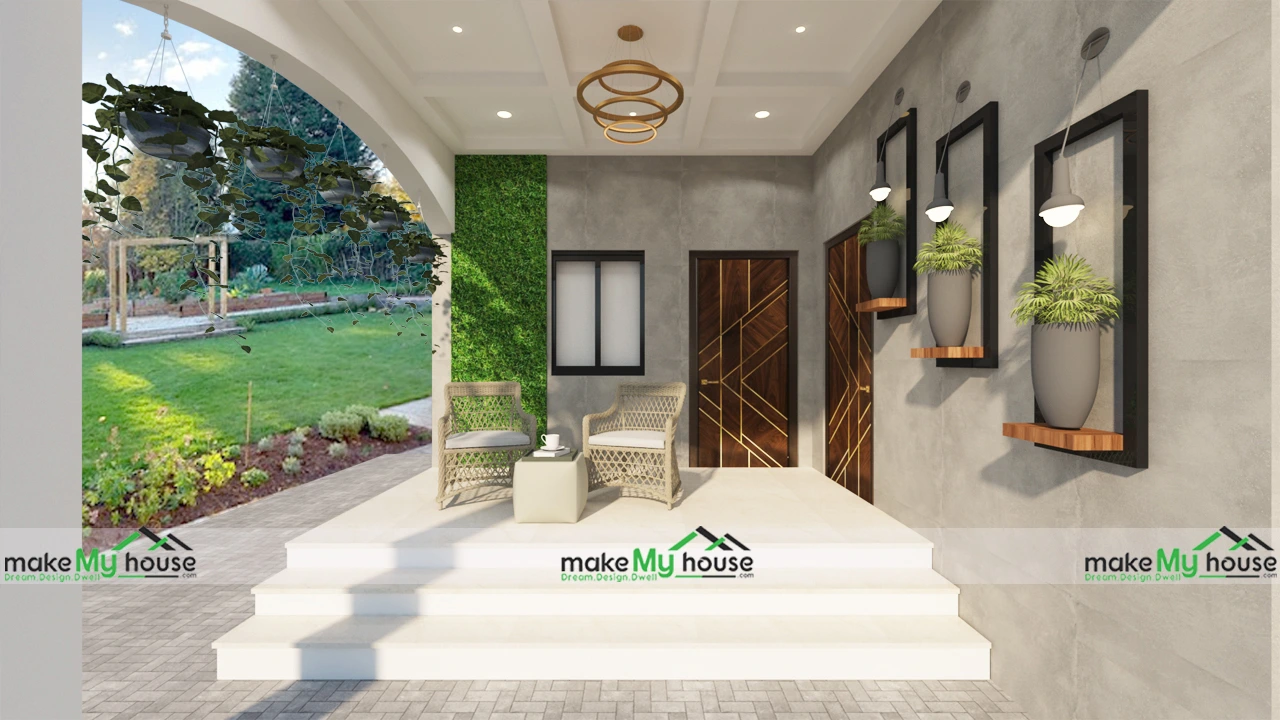
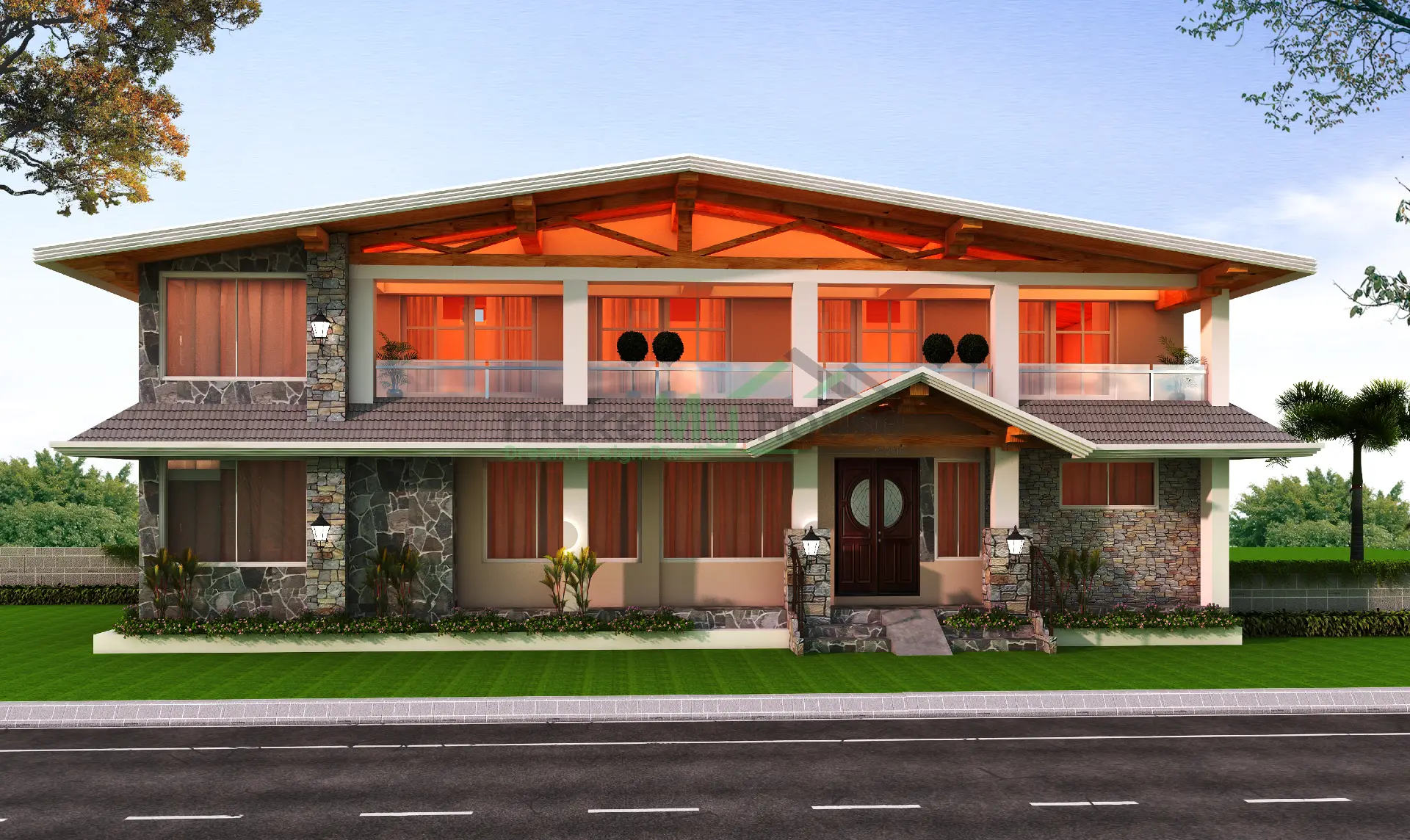
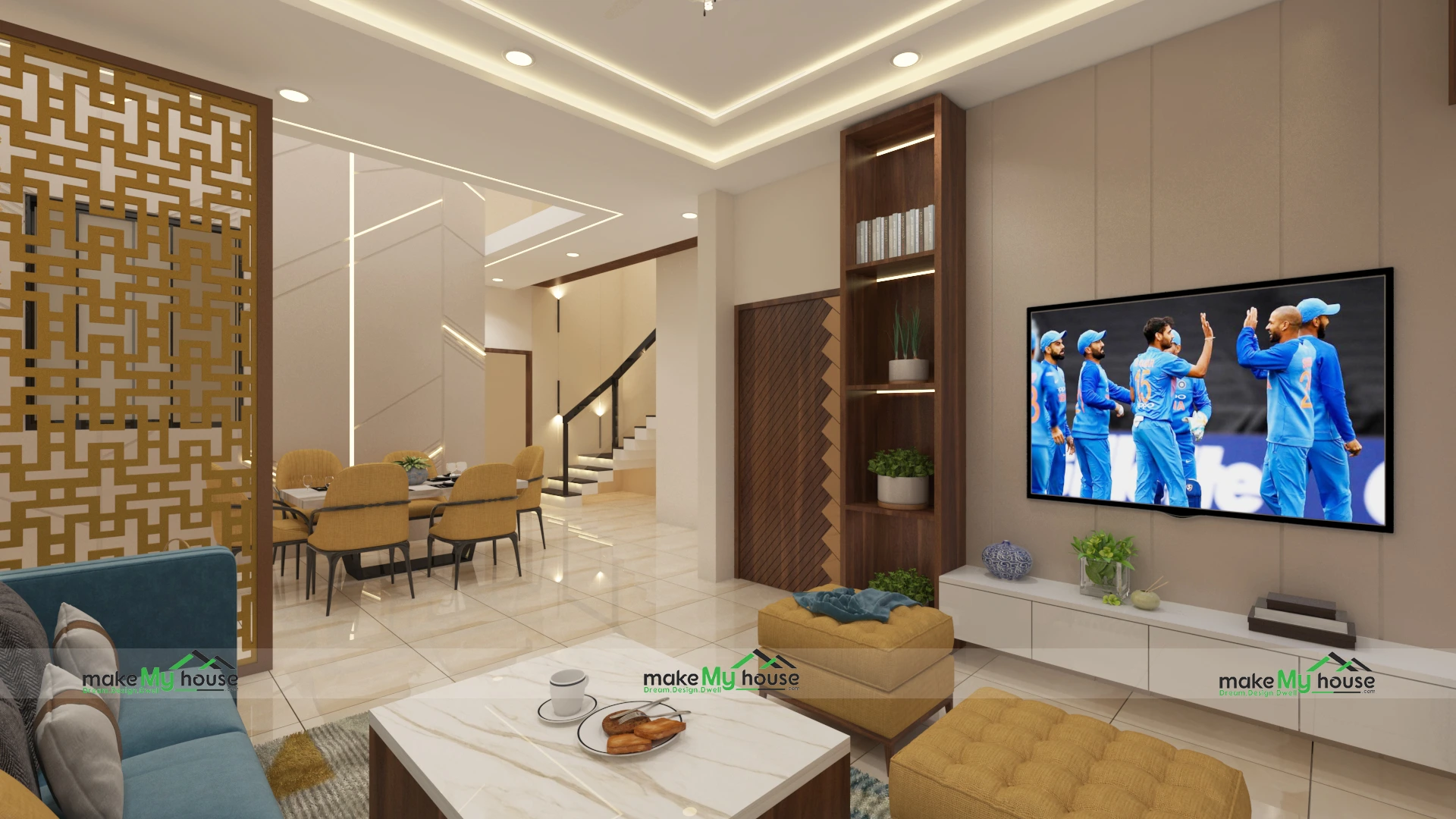
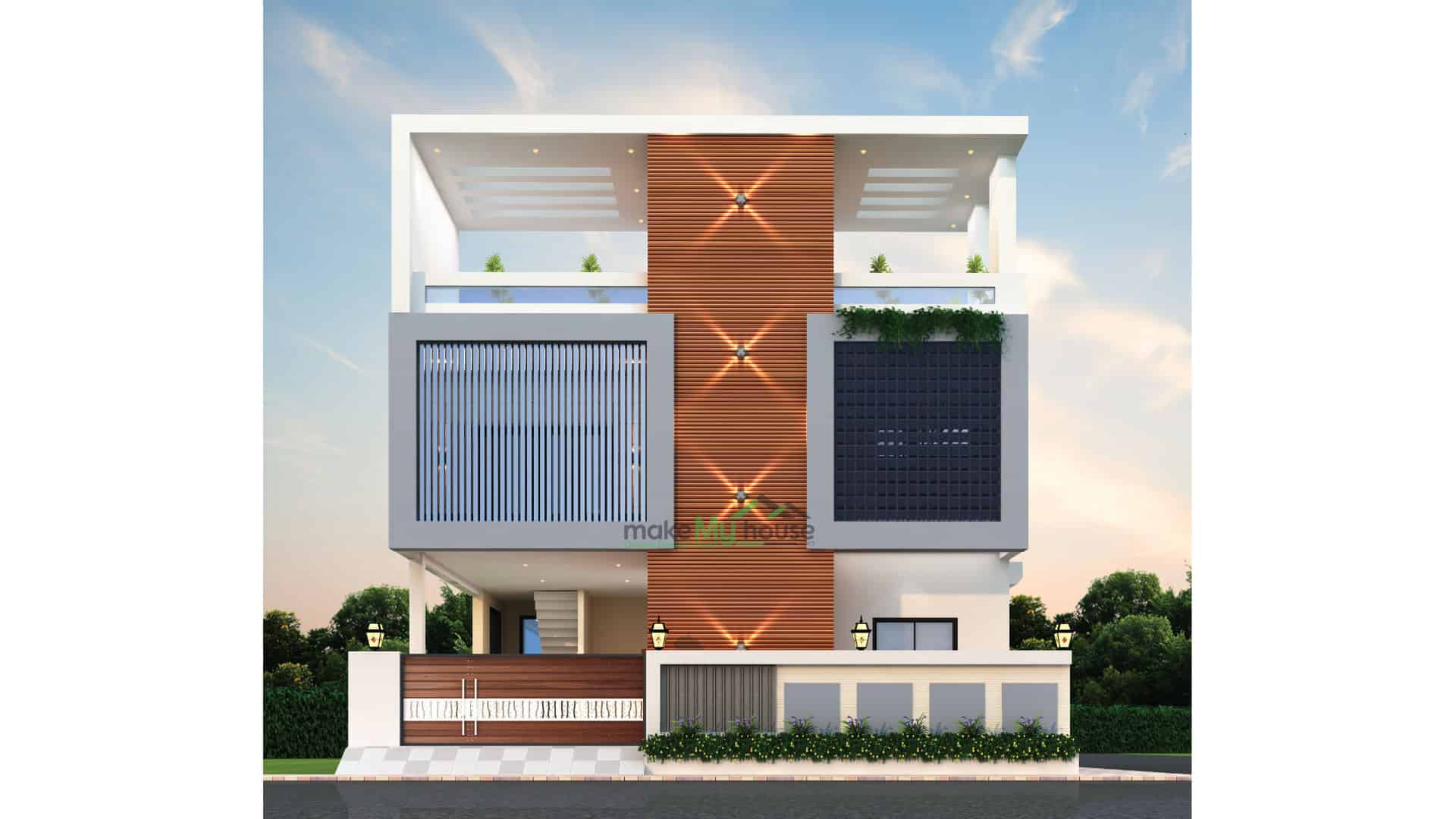
As we move closer to a future-focused lifestyle, home design is evolving faster than ever. Homeowners today want spaces that are stylish, functional, sustainable, and emotionally comforting. The design direction for 2026 reflects this shift perfectly by blending modern technology with warmth, nature, and personalization. From smarter layouts to conscious material choices, these ideas are redefining how Indian homes look and feel. Let’s explore the most important 2026 Home Design Trends you should know before planning or renovating your home.
Why These Design Trends Matter Today
Firstly, home design is no longer just about appearance. It now reflects lifestyle needs, environmental responsibility, and emotional well-being. Modern homes are expected to adapt to work-from-home culture, compact urban living, and changing family dynamics. Moreover, following upcoming design trends helps homeowners make long-term decisions that remain relevant and functional. As a result, trend-aware homes feel comfortable, efficient, and visually appealing for years to come.
One of the biggest shifts in upcoming home interiors is the growing focus on sustainability. Homeowners are increasingly selecting eco-friendly materials that reduce environmental impact while offering durability. Additionally, sustainable homes improve indoor air quality and reduce energy consumption. Consequently, conscious design choices are becoming an essential part of modern home planning.
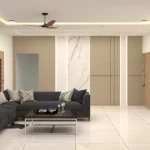
Another noticeable change is the preference for soft and natural colour palettes. Light and earthy tones help create interiors that feel calm, open, and timeless. Moreover, these colours work beautifully with both modern and traditional elements, making them highly versatile for Indian homes.
Trending colour shades include:
Beige, sand, and ivory
Warm greys and soft browns
Olive green and clay tones
Subtle accent colours for highlights
As a result, interiors appear brighter, more breathable, and emotionally soothing.
Smarter Layout Planning for Modern Living
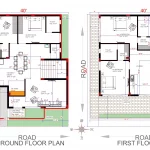
Modern homes now focus on flexible and intelligent layouts rather than rigid room divisions. Living spaces are designed to serve multiple purposes without feeling cluttered. For example, living rooms often double as workspaces, while dining areas seamlessly connect with kitchens. Therefore, smart zoning has become an essential part of contemporary home design.
Layout innovations include:
Open-plan living with visual separation
Multi-functional furniture placement
Hidden and compact storage solutions
Indoor–outdoor flow for better ventilation
Lighting as a Mood-Enhancing Element
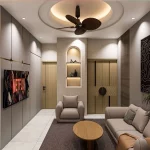
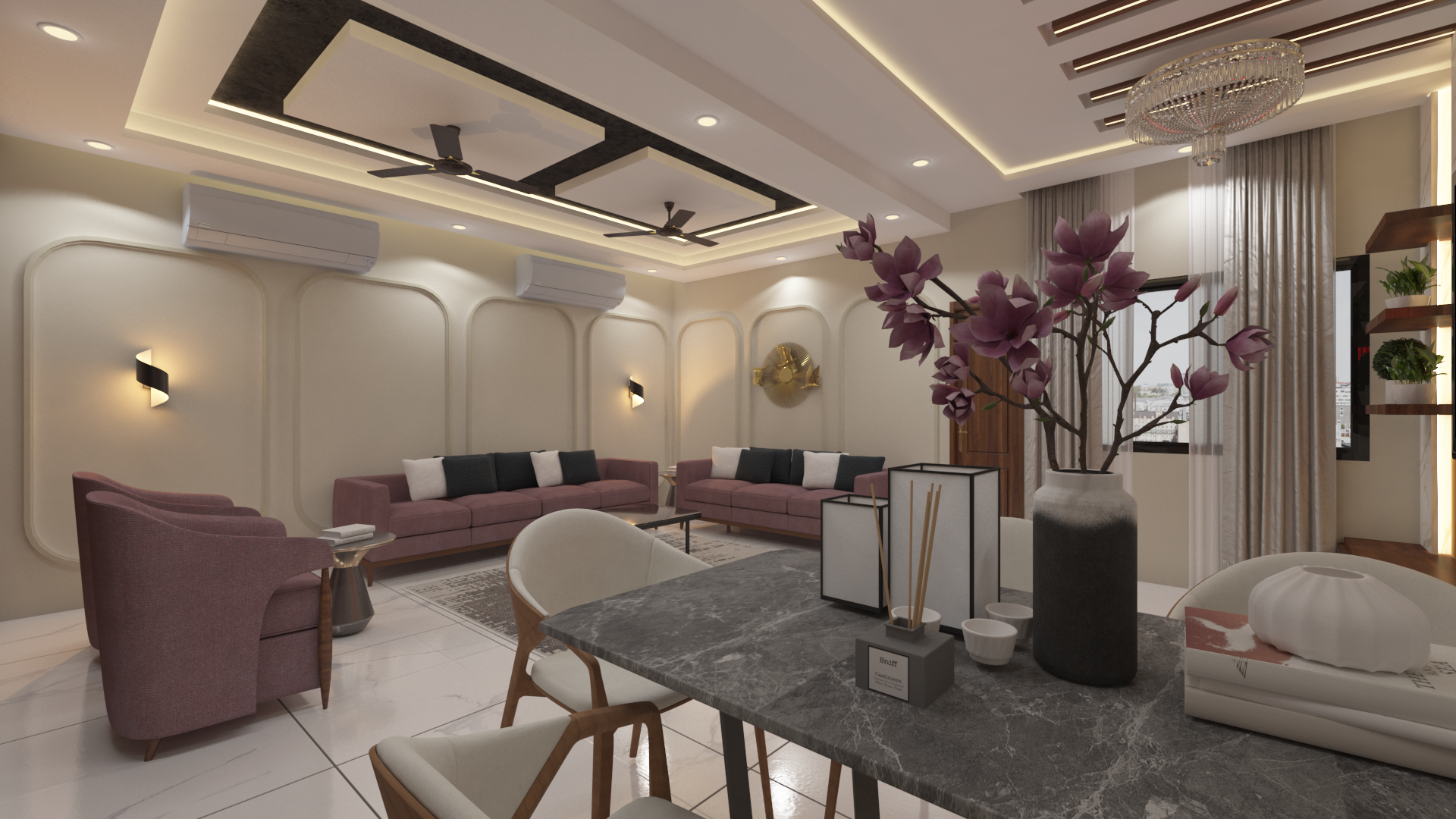
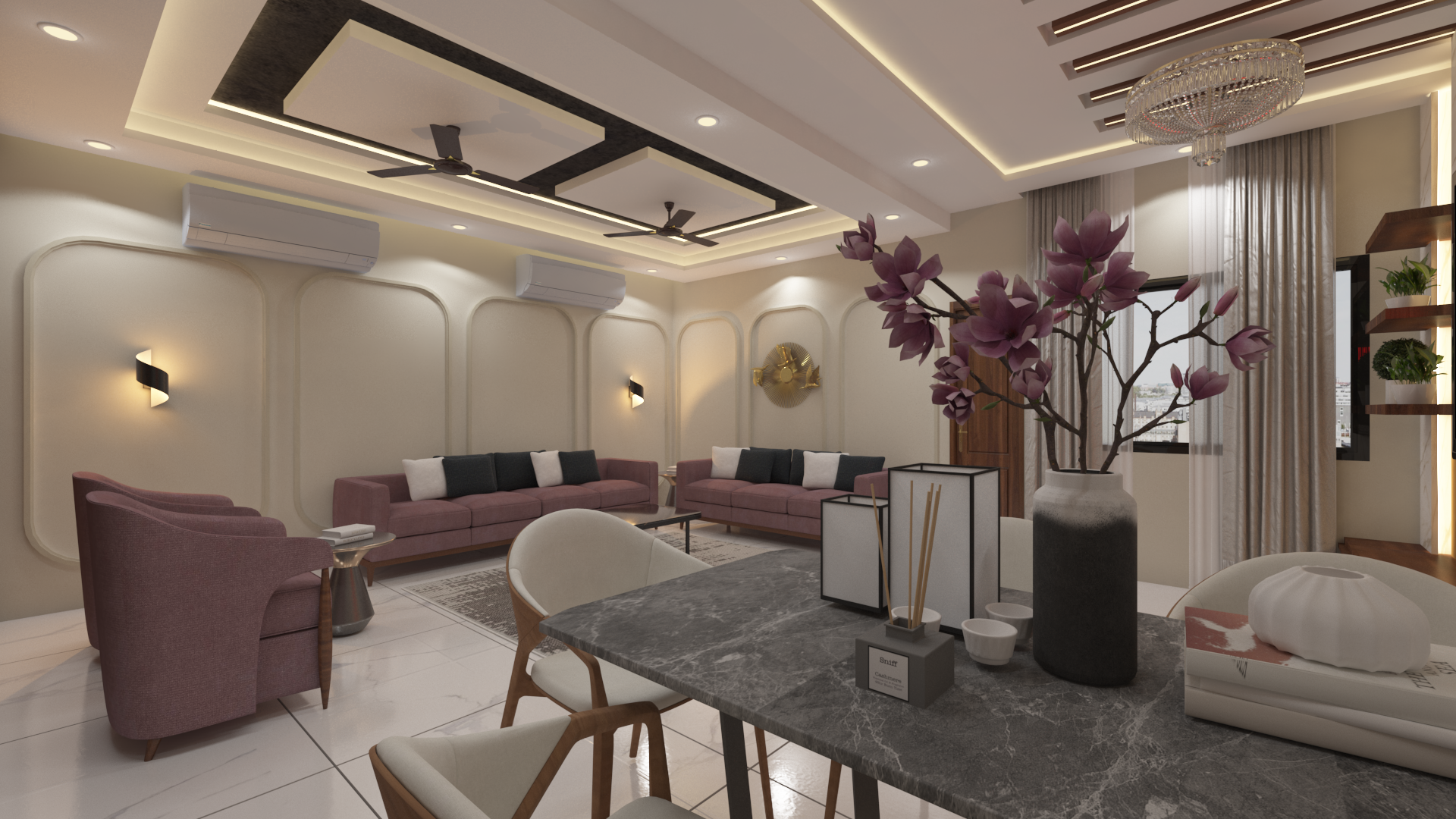
Lighting has evolved beyond basic functionality and now plays a key role in setting the mood of a home. Layered lighting concepts are gaining popularity, combining ambient, task, and accent lighting. Additionally, smart lighting allows homeowners to adjust brightness and tone based on different activities.
Lighting ideas are gaining popularity:
Warm LED and indirect lighting
Statement pendant fixtures
Cove lighting for ceilings
Motion-sensor and smart lighting systems
As a result, lighting improves both comfort and visual appeal.
Minimalism with a Warmer Feel
While minimalism continues to influence modern interiors, the approach has become softer and more personal. Instead of cold and empty spaces, today’s minimal design focuses on comfort, texture, and meaningful décor. Consequently, homes feel welcoming yet clutter-free.
Key elements include:
Clean lines with soft finishes
Neutral furniture with layered textures
Limited yet impactful décor
Practical and organized storage
Bringing Nature Indoors
Biophilic design is becoming an integral part of home interiors. Connecting indoor spaces with nature improves mental well-being and creates a healthier living environment. Furthermore, natural elements help reduce stress and enhance daily comfort.
Common biophilic features:
Indoor plants and vertical gardens
Maximum use of natural daylight
Wood, stone, and natural textures
Water-inspired design elements
Seamless Technology Integration
Technology is now integrated subtly into home design rather than being visually dominant. Smart solutions are designed to blend seamlessly with interiors, enhancing convenience without disturbing aesthetics. From lighting to security, automation is shaping modern homes quietly and efficiently.
Popular smart features include:
Voice-controlled appliances
Smart thermostats and energy tracking
Automated curtains and lighting
App-based home management systems
Personal Touch Defines Modern Homes
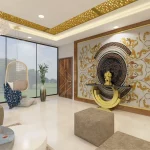
Lastly, personalization plays a major role in shaping modern interiors. Homes today reflect the lifestyle and personality of their owners. Whether through custom furniture, artwork, or statement walls, personal elements make spaces feel unique and emotionally connected.
In conclusion, 2026 Home Design Trends focus on creating a balance between technology and nature, functionality and comfort, and minimalism and warmth. By adopting these ideas thoughtfully, homeowners can design spaces that feel modern, practical, and emotionally comforting. Whether you are building a new home or renovating an existing one, aligning with upcoming design trends ensures a timeless and future-ready living environment.
FAQs
Q1. What are the key home design trends for 2026? The main trends include sustainable materials, smart layouts, natural colour palettes, warm minimalism, and integrated smart-home technology.
Q2. Are 2026 home design trends suitable for small Indian homes? Yes, these trends focus on space optimization, flexible layouts, and efficient storage, making them ideal for compact Indian homes.
Q3. Which colours are most popular in modern home designs for 2026? Light neutrals like beige, ivory, soft greys, and earthy tones are trending, along with subtle accent colours for balance.
Q4. How important is sustainability in future home design? Sustainability is a major focus, encouraging eco-friendly materials, energy-efficient lighting, and healthier indoor environments.
Q5. Can smart technology be added without affecting interior aesthetics? Absolutely. Modern designs integrate smart features subtly, ensuring functionality without disturbing the overall look of the home.