Smart House Design Plans for Joint Families: Balancing Privacy and Shared Spaces
“Everyone will live together… but we also need privacy.” This line is uttered by almost every joint family client. Parents on the ground floor. Brother and sister-in-law on the first floor. Children want separate rooms. Should there be one kitchen or two? Should there be a larger common living room or a separate private lounge?
To be honest, creating a house design plan for a joint family is more challenging than for a single-family home. Because here, you don’t just have to adjust rooms…you also have to balance relationships.
If the planning stage is strong, joint family living is smooth.
If mistakes are made, there’s daily friction.
Let’s understand, in a practical way, how to achieve privacy and space balance.
Smart House Design Plans for Joint Families: Balancing Privacy and Shared Spaces
House Design Plans for Joint Families: What are the real problems?
There are three main problems with joint family home design:
Privacy Issues
Noise Disturbance
The Confusion of Shared vs. Personal Space
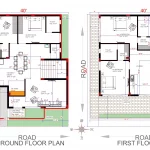
I personally designed a joint family plan for a 40×60 plot where three generations were to live. If we had simply followed the traditional layout, each room would have been open to the other, creating sound and movement disturbances.
Therefore, the planning approach needs to be different.
Simple Understanding: The Logic of Joint Family House Planning
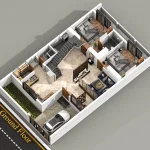
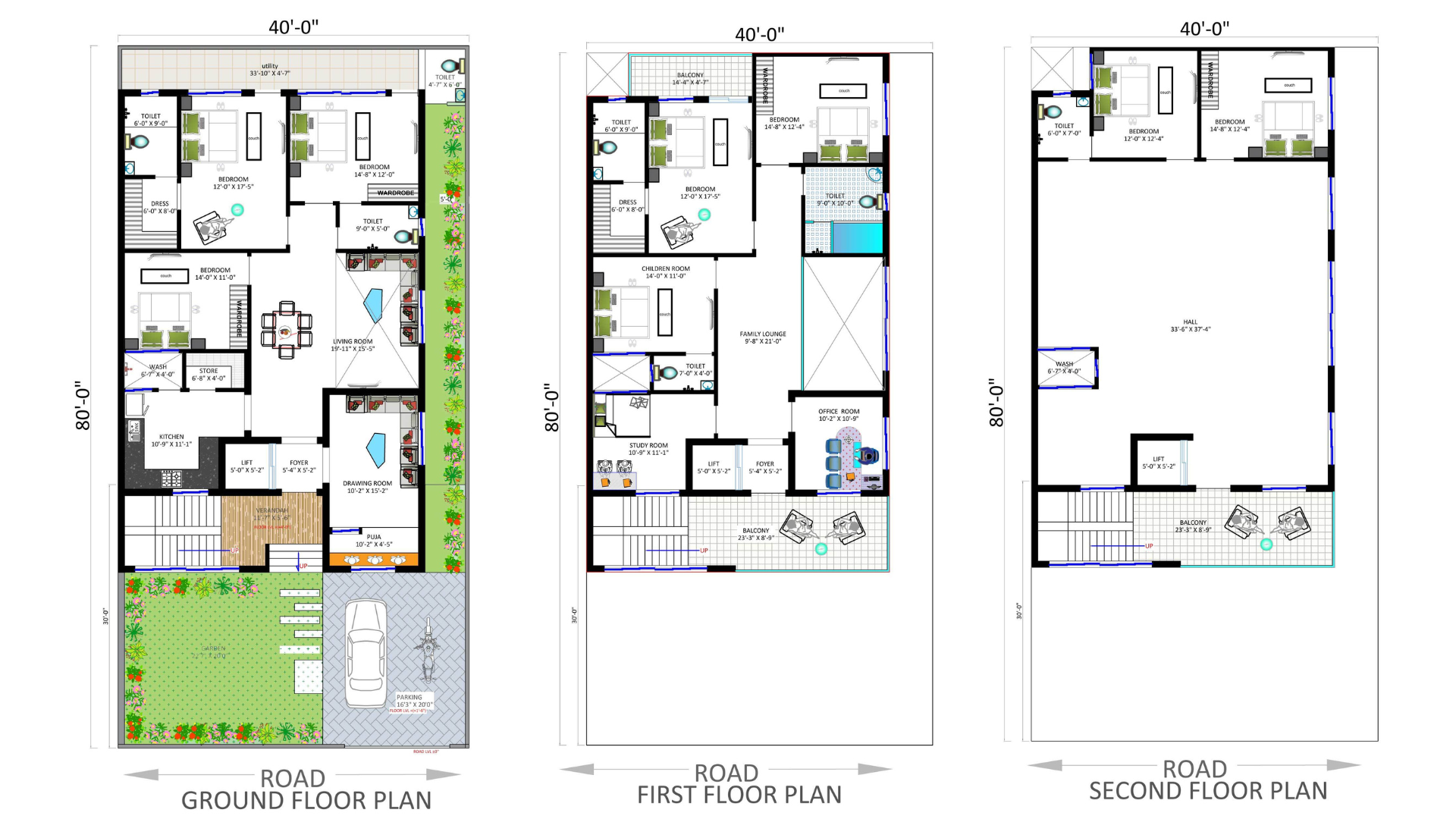
It is important to create four zones in a joint family home design:
1. Common Zone
Living room, dining room, puja room, and main kitchen.
2. Semi-Private Zone
Family lounge, study area.
3. Private Zone
Bedrooms with attached bathrooms.
4. Service Zone
Stairs, utility, store, and washing area.
If this zoning is clear, the layout design of the house looks balanced.
Step-by-Step: How to Create a Home Design Plan for a Joint Family
We have seen people overlook the future when planning. Later, when the house is expanded, problems arise.
Step 2: Keep the Ground Floor Parent-Friendly
The Golden Rule of Joint Family Planning:
Senior citizens’ bedrooms should be on the ground floor.
This includes:
Attached bathroom
Easy access to living spaces
Minimum use of stairs
This is a practical approach. Don’t send the elders to the first floor just for Vaastu or symmetry.
Step 3: Plan Stair Spaces Smartly
Stair placement determines privacy.
If the stairs face directly into the living room, every movement is visible.
Best Option:
Stairs should be slightly offset.
Semi-private access.
I personally use this trick. It improves family flow.
Step 4: Consider a Dual Living Concept
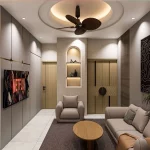
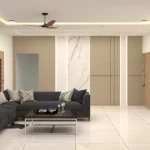
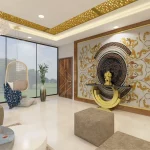
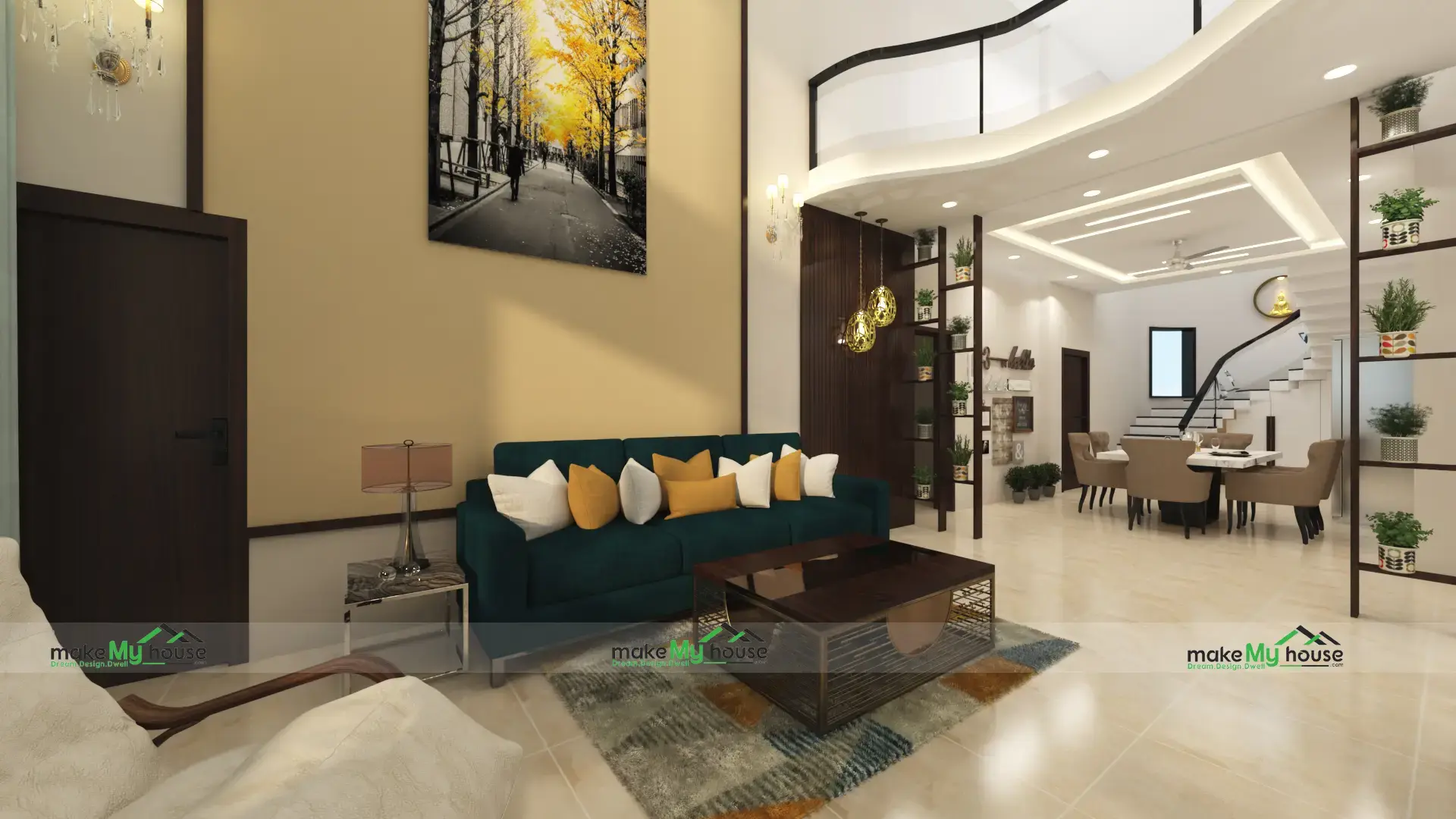
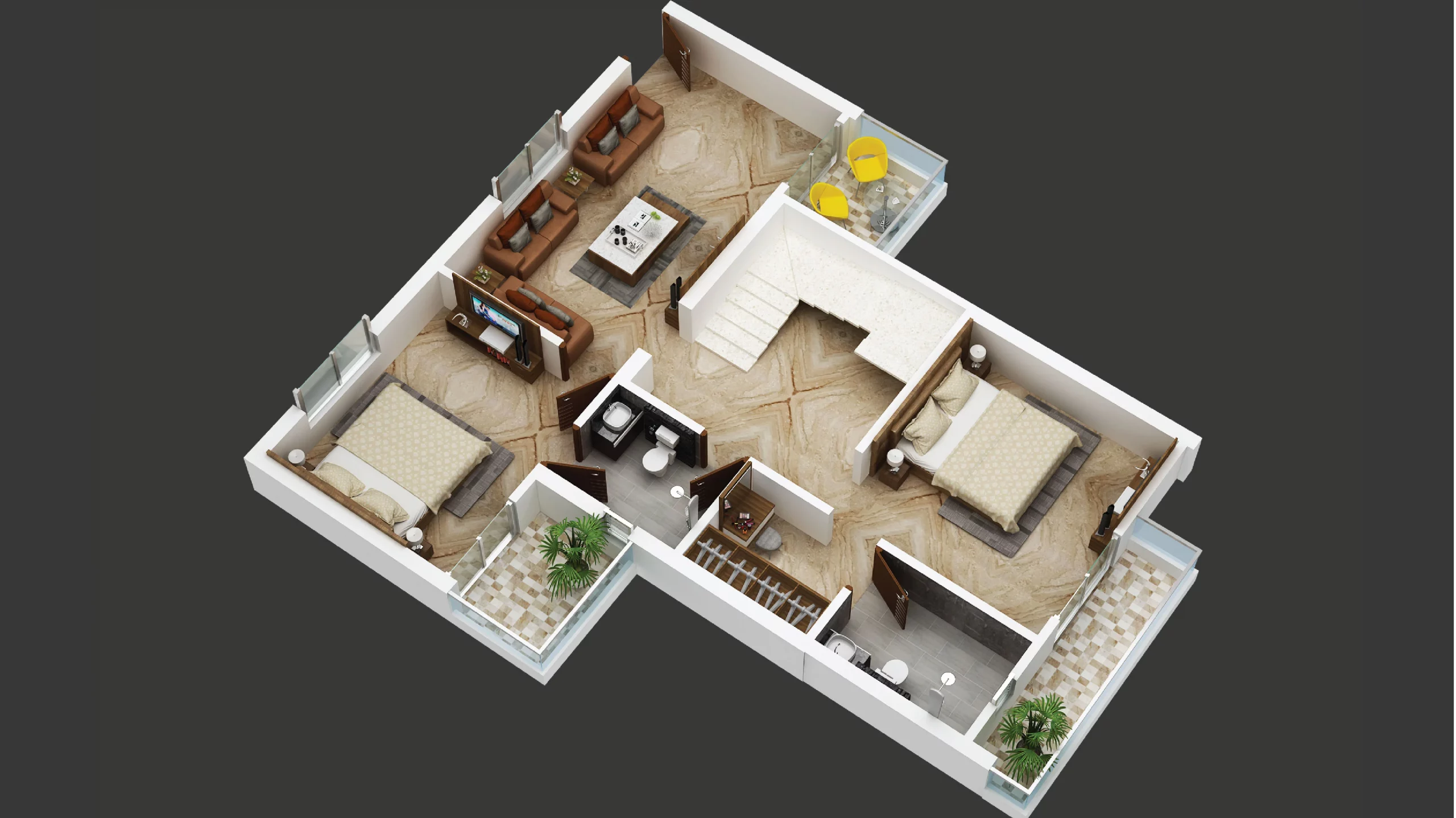
These days, it’s smart for joint families to have a common formal living area and a private family lounge.
A separate area for formal guests.
A separate zone for family relaxation.
This gives the home a mature feel.
Step 5: Avoid Directly Facing Bedrooms
Bedroom doors facing each other reduce privacy.
Plan a Slight Offset.
Small design moves can make a big difference.
Step 6: Consider Sound Control
Noise issues are common in joint family homes.
Practical Tips:
Don’t place the TV wall next to a shared bedroom.
Don’t place bathroom plumbing lines near the headboard of an adjacent bedroom.
These little things determine real comfort.
Modern House Plan Design for Joint Families: Perfect Privacy + Space Planning
Real Experience Tips (Not Found in Books)
1. Plan for Extra Storage
Joint families require double the storage space.
Extra wardrobes Storeroom Loft space
Carry a 10% extra storage margin in your space planning.
2. Keep your kitchen planning smart
If you have a single kitchen:
Wide platform Two working triangles Extra sink option
Sometimes adding a pantry in the future is a smart decision.
3. Plan for Terrace Usage
Joint families often have gatherings on the terrace. So keep the staircase comfortable and accessible.
4. Bring Natural Light into Every Zone
If you can add a central courtyard or light shaft, the home feels airier. This planning genius moves on a compact plot.
House Layout Design Ideas for Joint Families (Practical Formats)
Option 1: Ground + 1 Floor with Internal Connection
Ground: Parents + Common Areas
First: Brothers’ Families
Best for strong-bonding families.
Option 2: Ground + 1 with Semi-Independent Floors
Common entrance
Separate small living upstairs
Better privacy balance.
Option 3: L-Shaped Layout with Courtyard
Center open space
Rooms around
Traditional and modern blend.
Common Mistakes in House Design Plans for Joint Families
Overcrowding Rooms
Loading the maximum number of rooms on each floor is not smart planning. Breathing space is essential.
Ignoring Parking Planning
Joint family = multiple vehicles. Don’t underestimate parking.
No Future Flexibility
Today is a family. Tomorrow is a wedding. Have an expandable design.
Common Bathroom Dependency
Attached bathrooms are better in joint families. Shared bathrooms create friction.
Budget Overstretch on Elevation
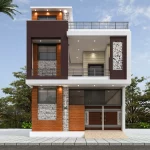
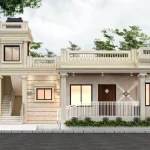
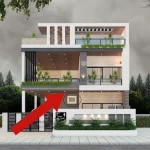
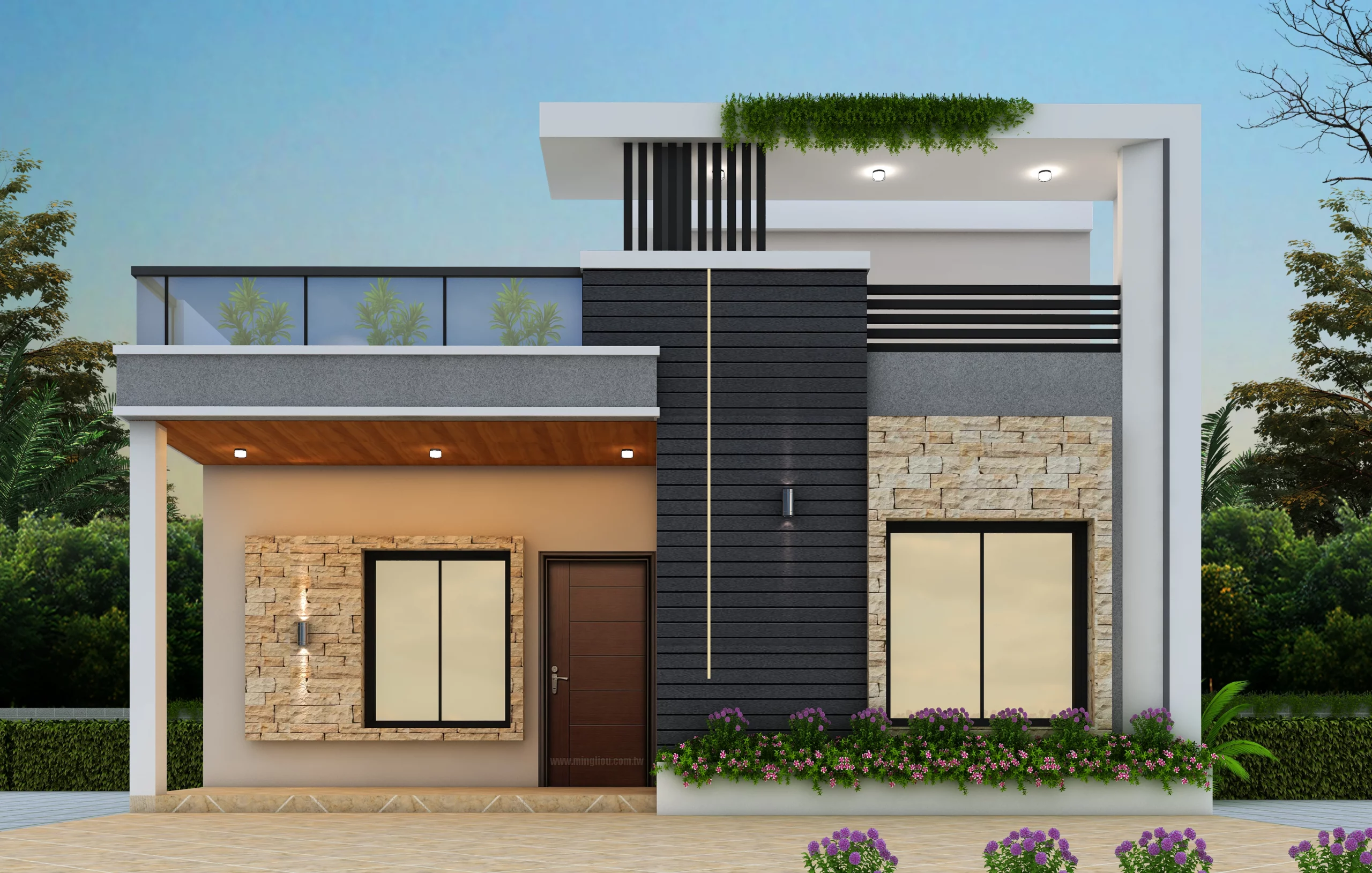
Focus on interior comfort. Keep the front elevation simple and balanced.
Joint Family Home Design: Practical House Planning for Space, Comfort & Privacy
Final Thoughts: A home isn’t just about structure.
House design plans for joint families aren’t just about room placement. It’s about comfort, respect, and daily routine. If planning is thoughtful, generations can coexist peacefully.
We have seen firsthand that proper zoning and small adjustments can transform a home’s atmosphere.
Joint family living is beautiful.
The balance between space and privacy needs to be right.
Strong planning = smooth relationships.
Frequently Asked Questions (FAQs)
1. What should be the minimum plot size for a joint family?
Ideally, a 30×60 or 40×60 is comfortable. But with smart house design, a 30×40 can also be managed.
2. Is a separate kitchen necessary in a joint family?
Not in every case. But planning for future flexibility is a wise decision.
3. How to maintain privacy in the same house?
Use zoning, staircase placement, and a dual living concept.
4. How to control the budget in joint family house planning?
Simple elevation
Practical room sizes
Avoid unnecessary projections.
5. Is a duplex better for a joint family?
Yes, the duplex format balances both privacy and connection.
6. Is soundproofing necessary?
Basic planning alone can control 70% of noise. Heavy soundproofing isn’t necessary everywhere.
7. Can privacy be maintained while following Vastu?
Absolutely. A little smart layout adjustment is required.