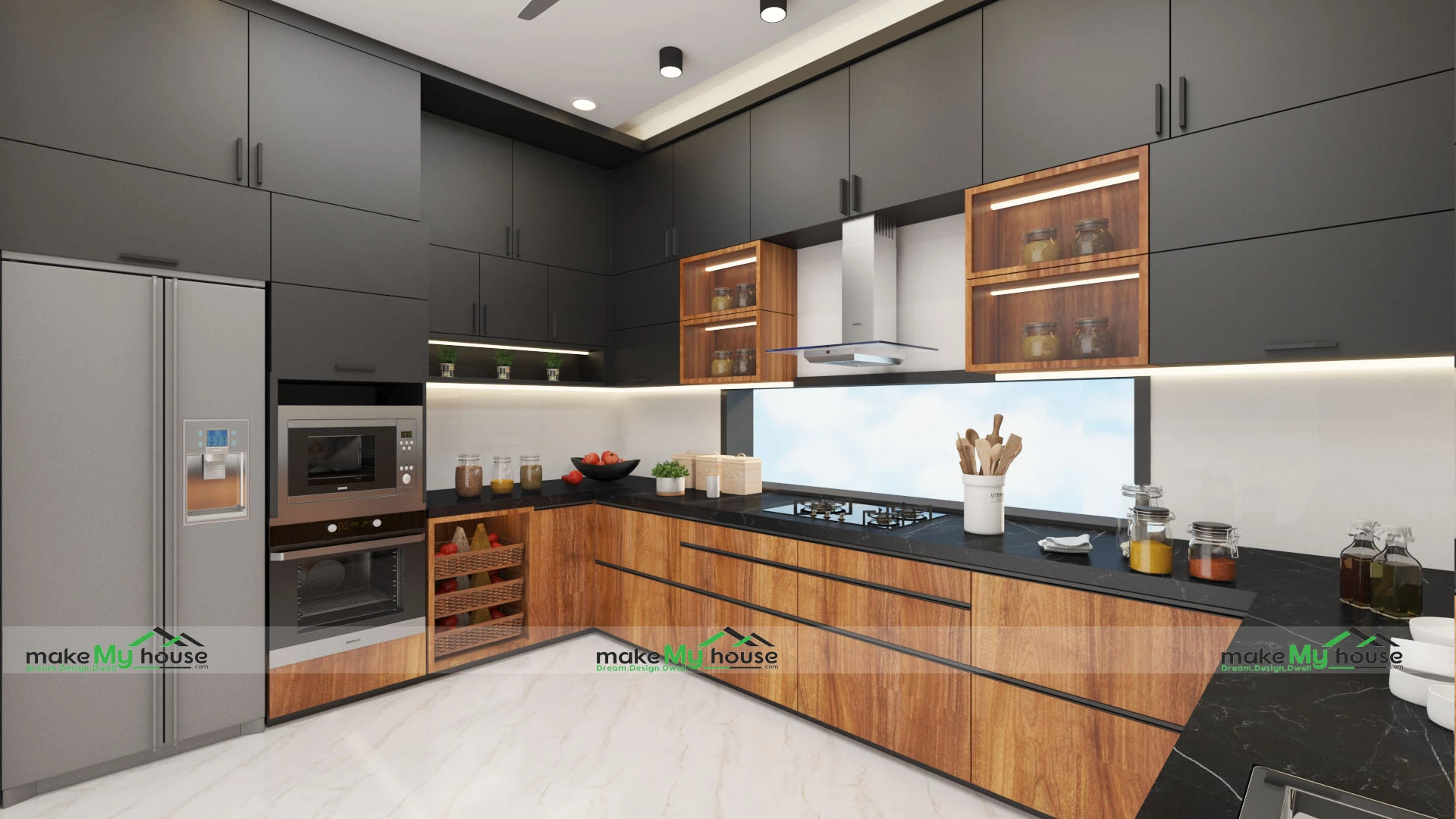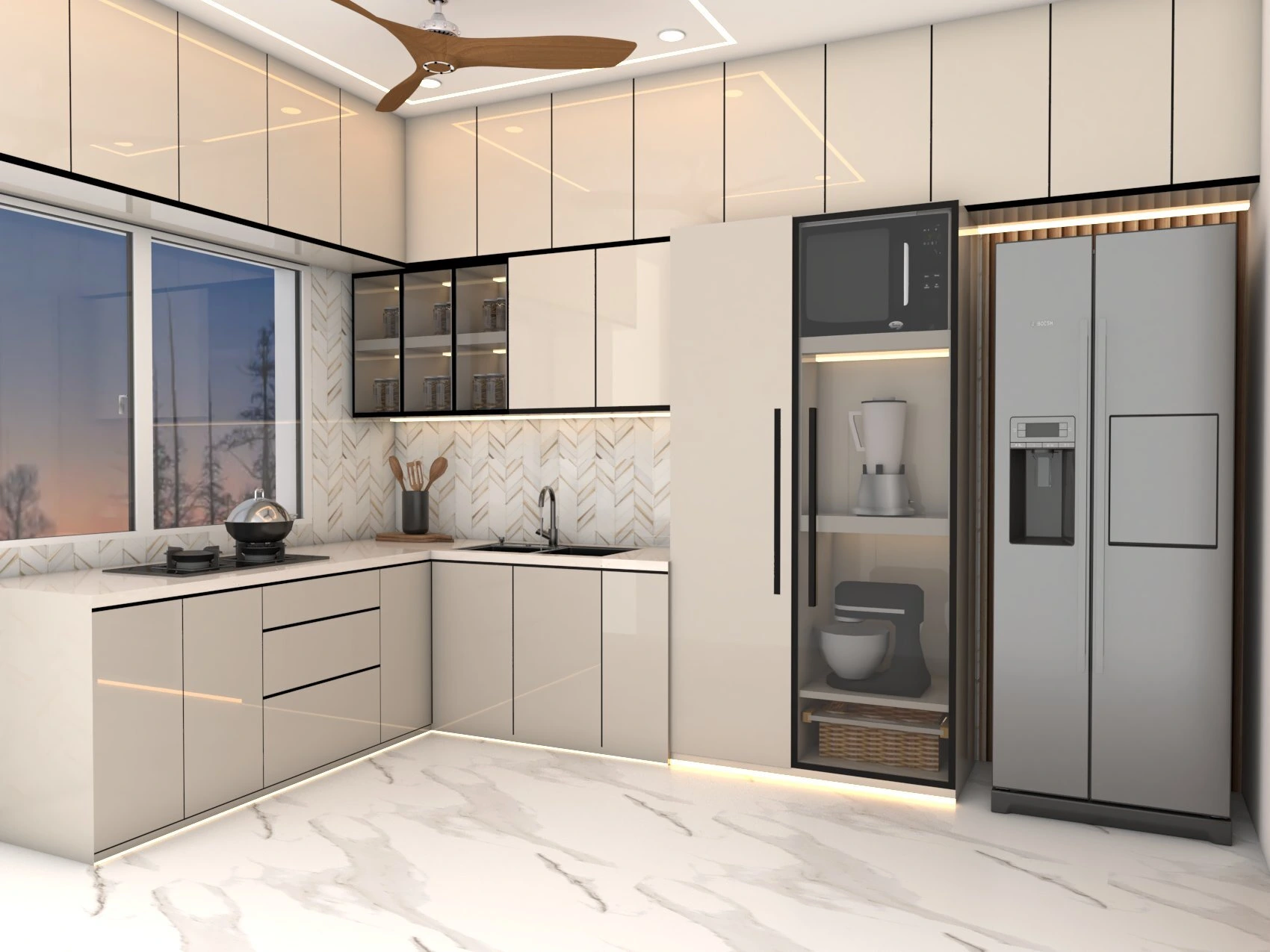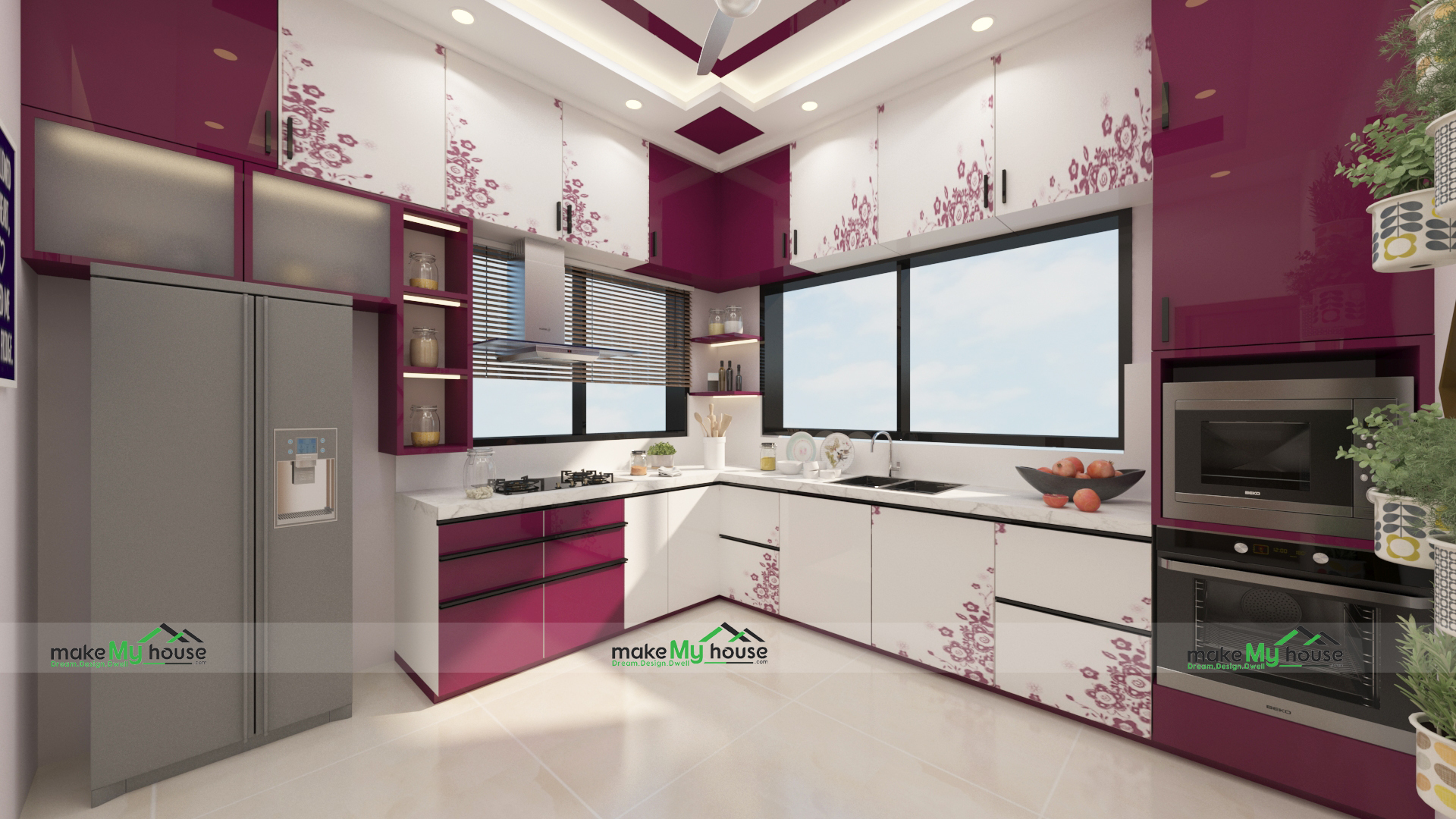







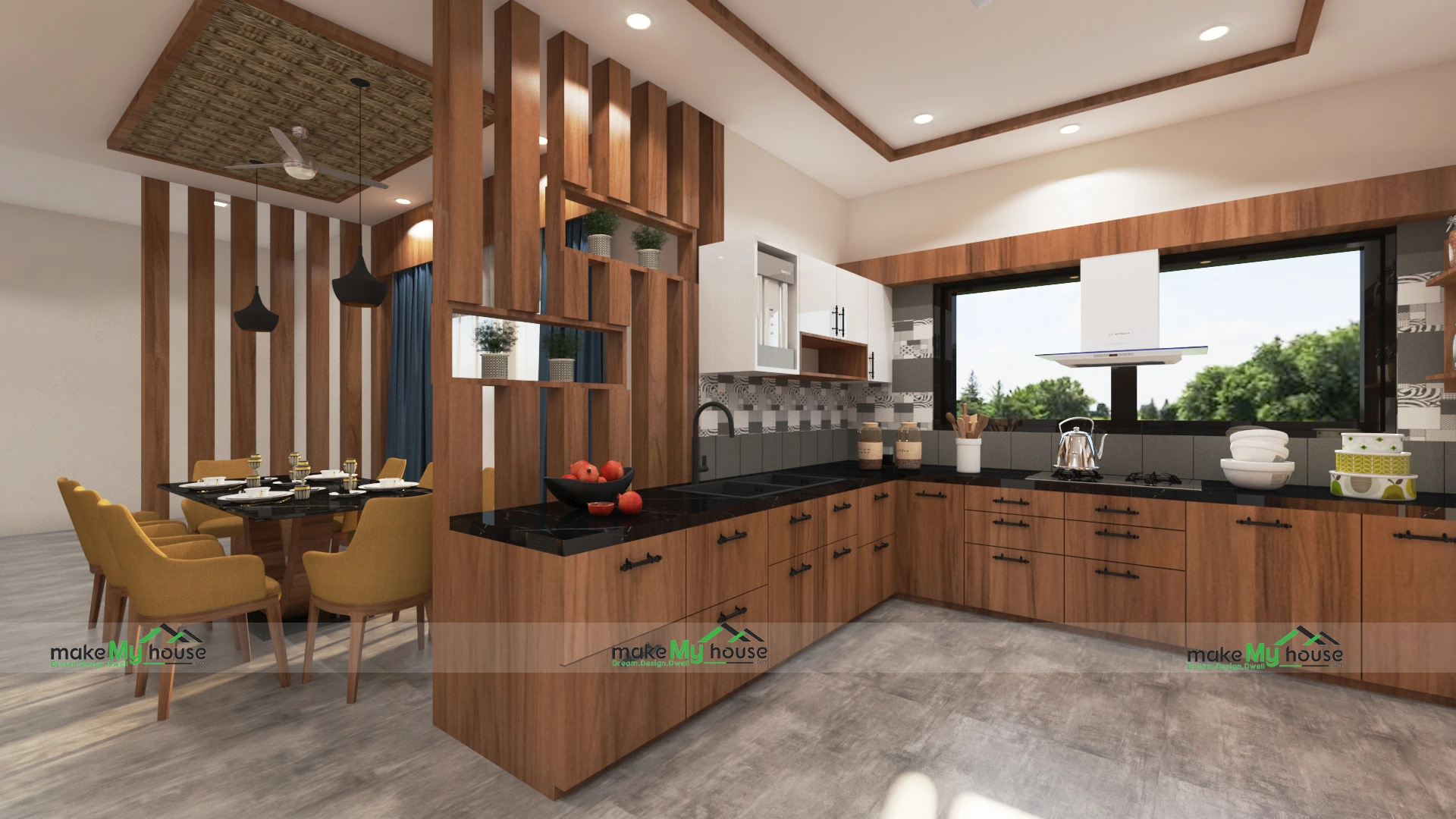
In today’s world, the kitchen is no longer merely a place for cooking; it has evolved into the most functional and active space within the home. A well-executed kitchen design not only simplifies your daily tasks but also enhances the overall functionality of the entire house. Here, we will provide a detailed breakdown of 12 crucial kitchen dimensions—measurements that, when taken into account, allow you to design a kitchen that is ergonomic, modern, and highly practical.
1. Kitchen Counter Height
The ideal height for a kitchen counter should be approximately 32 to 36 inches (81 to 91 cm).
This height should be calibrated so that you do not have to stoop down or strain your arms while working.
- For people of shorter stature: 32–34 inches
- For people of average stature: 34–36 inches
The correct counter height significantly enhances both the convenience and comfort of your kitchen.
2. Kitchen Counter Depth
The standard depth for a kitchen counter is considered to be 24 inches (60 cm).
- This provides you with ample working space.
- It also leaves room behind the counter to accommodate electrical appliances.
3. Wall Cabinet Height
The vertical distance between the counter and the wall cabinets should be approximately 18 to 24 inches (45–60 cm).
This spacing is crucial because:
- It prevents you from bumping your head while working.
- It ensures the cooking area feels open and comfortable.
4. Wall Cabinet Depth
The depth of wall cabinets is typically maintained between 12 and 15 inches (30–38 cm).
- Excessive depth increases the risk of bumping one’s head.
- Insufficient depth results in reduced storage capacity.
5. The Kitchen Work Triangle
In kitchen design, the concept of the “Work Triangle” (comprising the Sink, Stove, and Refrigerator) is of paramount importance. The distance between the three points should be between 4 and 9 feet.
The total perimeter of the triangle should be between 13 and 26 feet.
This layout moves within the kitchen more easily and quickly.
6. Sink Size & Placement
- Sink Width: 18–24 inches
- Depth: 8–10 inches
It is always best to position the sink in the center of the countertop or beneath a window.
7. Gas Stove Space (Cooking Area Space)
There should be at least 12–15 inches of clear space on both sides of the stove.
This provides convenience for placing cookware while cooking.
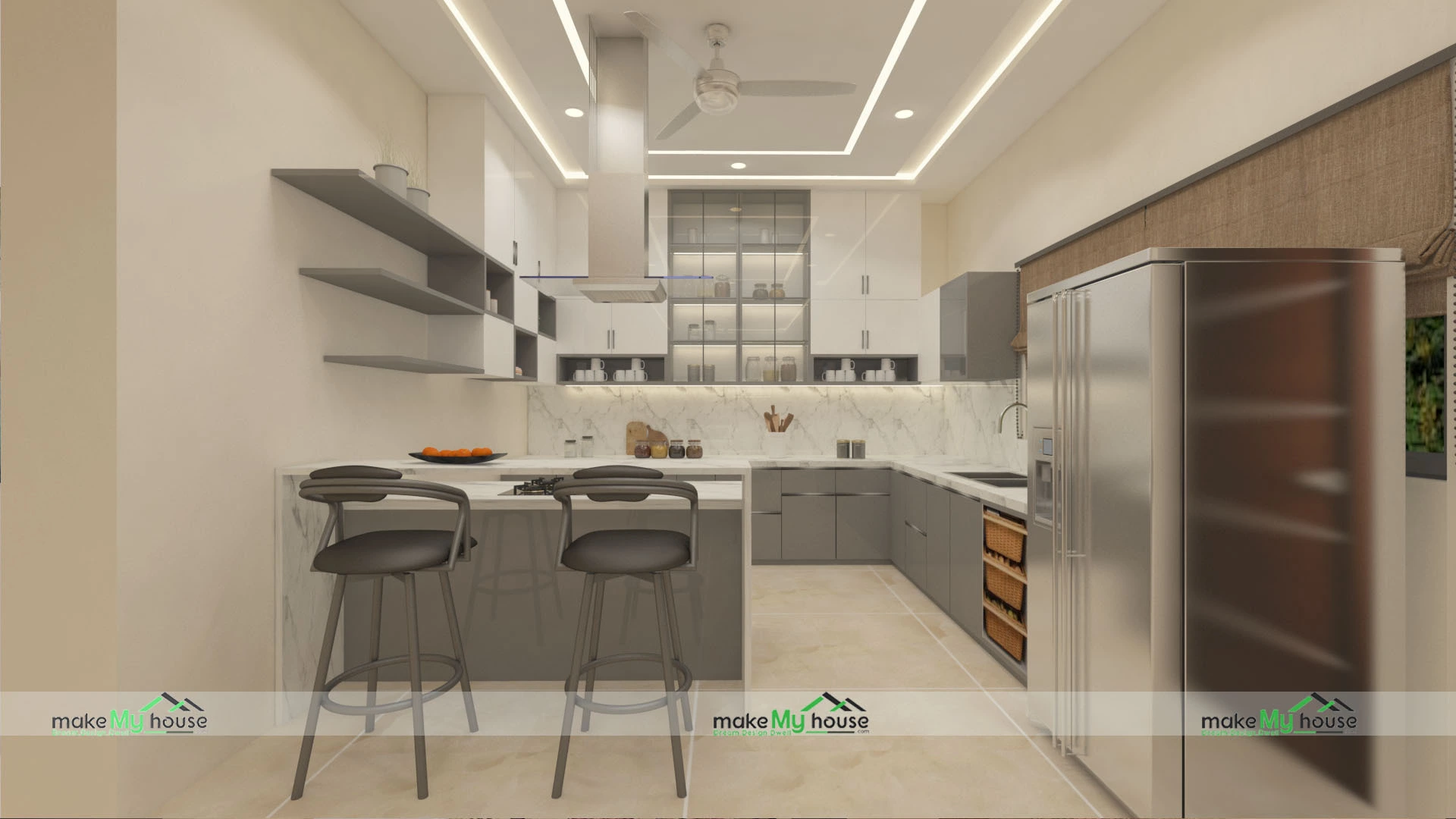
8. Kitchen Island Dimensions
If your kitchen features an island:
- Width: At least 24–36 inches
- Surrounding Walkway: 36–48 inches
An island makes the kitchen appear modern and multifunctional.
Also read: Top 10 House Plan Trends for 2026
9. Walkway Space
To move around comfortably in the kitchen, there should be a walkway of at least 36 inches (90 cm).
If two people work in the kitchen simultaneously:
Space: 42–48 inches
10. Storage Cabinet Space (Storage Planning)
Kitchen storage is typically divided into three zones:
- Lower Cabinets (Heavy items)
- Mid-Level (Daily-use items)
- Upper Cabinets (Occasional items)
This arrangement makes the kitchen organized and functional.
11. Refrigerator Space (Refrigerator Clearance)
There should be a clearance of at least 36 inches in front of the refrigerator.
Allow for additional space to accommodate the door opening.
12. Kitchen Door and Entry Space (Entry Space)
Kitchen Entry Width: At least 32–36 inches.
Plan the placement of sliding or hinged doors carefully.
Also read: Budget-Friendly 2-Bedroom Tiny House Plans Worth Exploring
The Importance of Ergonomics in Kitchen Design
Always keep in mind that a kitchen should not merely look beautiful; it must also be comfortable and functional. Adopting the correct dimensions ensures that:
- Work efficiency increases
- Fatigue is minimized
- Space is utilized optimally
Extra Tips for Modern Kitchen Design
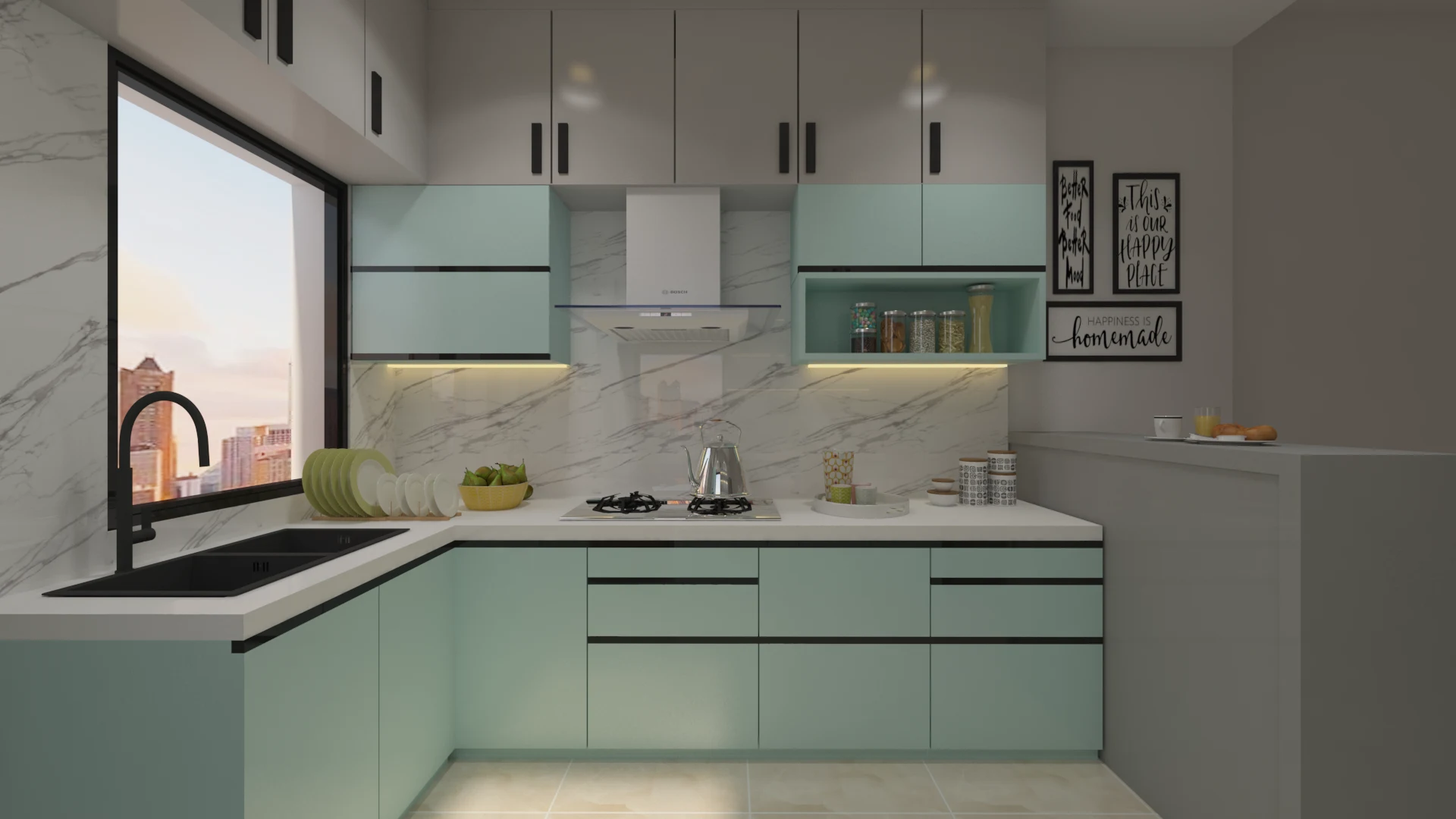
- Use soft-close cabinets
- Keep the work area well-lit with LED lighting
- Pay special attention to the chimney and ventilation system
- Install anti-skid flooring
Conclusion
Designing a perfect kitchen requires not just aesthetic planning, but—most importantly—the selection of the right kitchen dimensions. The 12 key kitchen dimensions outlined above will make your kitchen more organized, attractive, and practical.
If you design your kitchen while keeping all these parameters in mind, it will not only look magnificent but also make your daily chores significantly easier.
Note: A truly smart kitchen strikes a perfect balance between design and dimensions.
FAQ (Frequently Asked Questions)
1. What should be the ideal height of a kitchen counter?
The ideal height for a kitchen counter is between 32 and 36 inches. This height can be slightly adjusted—up or down—to suit the user’s height, ensuring comfort while working.
2. What is the “Work Triangle” in a kitchen?
The “Work Triangle” refers to the spatial relationship (distances) between the sink, the gas stove, and the refrigerator. This layout facilitates easy and rapid movement within the kitchen, thereby saving both time and effort during cooking and chores.
3. How much walkway space should there be in a kitchen?
To move around comfortably, a kitchen should have a walkway clearance of at least 36 inches (3 feet). If two people frequently work in the kitchen simultaneously, it is advisable to increase this space to 42–48 inches.
4. What should be the gap between the wall cabinets and the counter?
There should be a gap of 18 to 24 inches between the wall cabinets and the countertop. This ensures convenience while working, making the kitchen feel open and organized.
5. What is the ideal size for a kitchen island?
A kitchen island should be at least 24–36 inches wide, with a clearance of 36–48 inches surrounding it to facilitate easy movement.
6. How should storage be planned in a kitchen?
Storage should be planned across three levels:
Lower Cabinets: For heavy items
Mid-Level: For items used daily
Upper Cabinets: For items used infrequently
7. What is the correct size for a kitchen sink?
A sink should be 18–24 inches wide and 8–10 inches deep. This makes washing dishes easier.
8. Why is ergonomics important in kitchen design?
Ergonomics involves designing the kitchen in a way that minimizes fatigue while working, facilitates easy movement, and saves time. Adopting the correct dimensions makes the kitchen more functional.
9. How much space should be allowed in front of the refrigerator?
There should be a clearance of at least 36 inches in front of the refrigerator to ensure the door opens easily and to prevent any obstruction during use.
10. How wide should a kitchen door be?
The kitchen entrance should be at least 32–36 inches wide to allow for easy entry and exit.