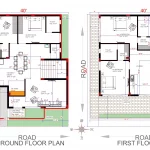

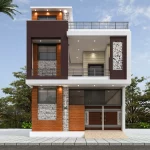
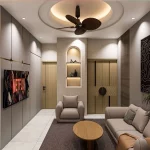
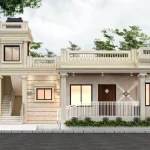
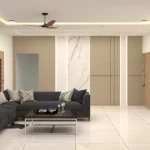

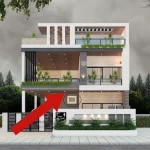
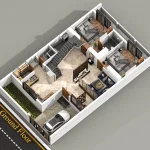
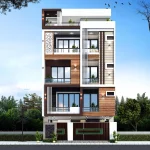
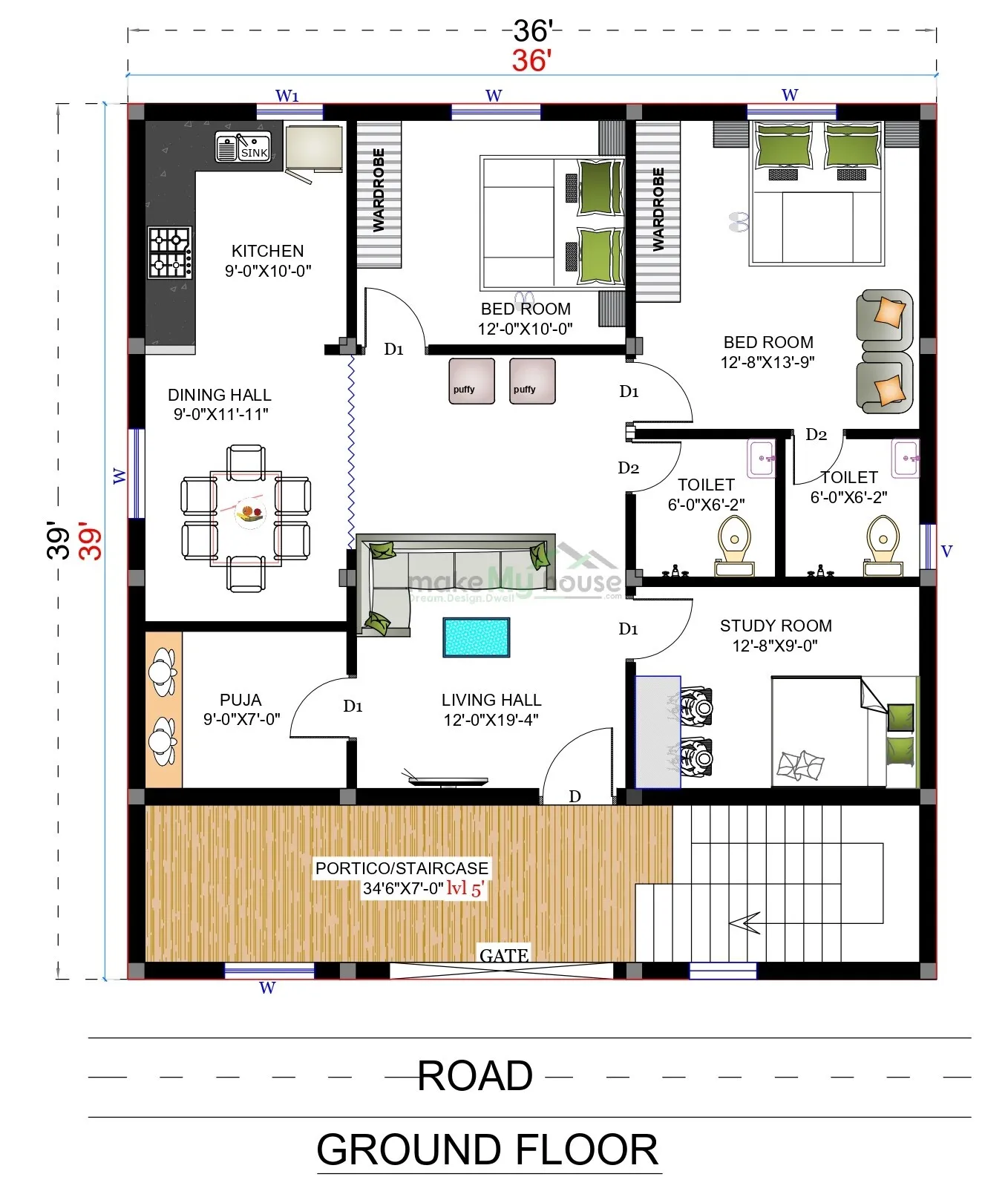
Budget-friendly 2-bedroom tiny house plans focus on smart layout, efficient space use, and cost control to create a comfortable home even in a small area. With the right planning, ventilation, and storage, these homes can feel spacious and practical. The key is to prioritize functionality over size and avoid common design mistakes.
You start planning your dream home thinking it will be simple… but then reality hits.
Budget is tight. Space is limited. And suddenly every design you see feels either too expensive or too cramped.
I’ve seen this happen with many homeowners. Even during one of my early projects, a client wanted a compact 2-bedroom home under a strict budget. At first, it felt difficult but once we focused on smart planning instead of just “more space,” the result turned out surprisingly comfortable.
That’s the beauty of budget-friendly 2-bedroom tiny house plans they force you to think smart, not big.
What Exactly is a 2-Bedroom Tiny House?
A 2-bedroom tiny house usually ranges between:
- 400 to 800 sq ft
- Compact but functional layout
- Designed for small families, couples, or rental use
But here’s something most people misunderstand
“Tiny” doesn’t mean uncomfortable.
If planned right, it can feel just as livable as a bigger home.
Why Budget-Friendly Tiny Homes Are Becoming Popular
From real conversations with clients, these are the top reasons:
- Rising construction costs
- Smaller plot sizes in cities
- Easy maintenance
- Faster construction time
- Better space utilization
Personally, I’ve noticed that people who build smaller homes often use every corner more wisely compared to large houses where space gets wasted.
Step-by-Step: How to Plan a Budget-Friendly 2-Bedroom Tiny House
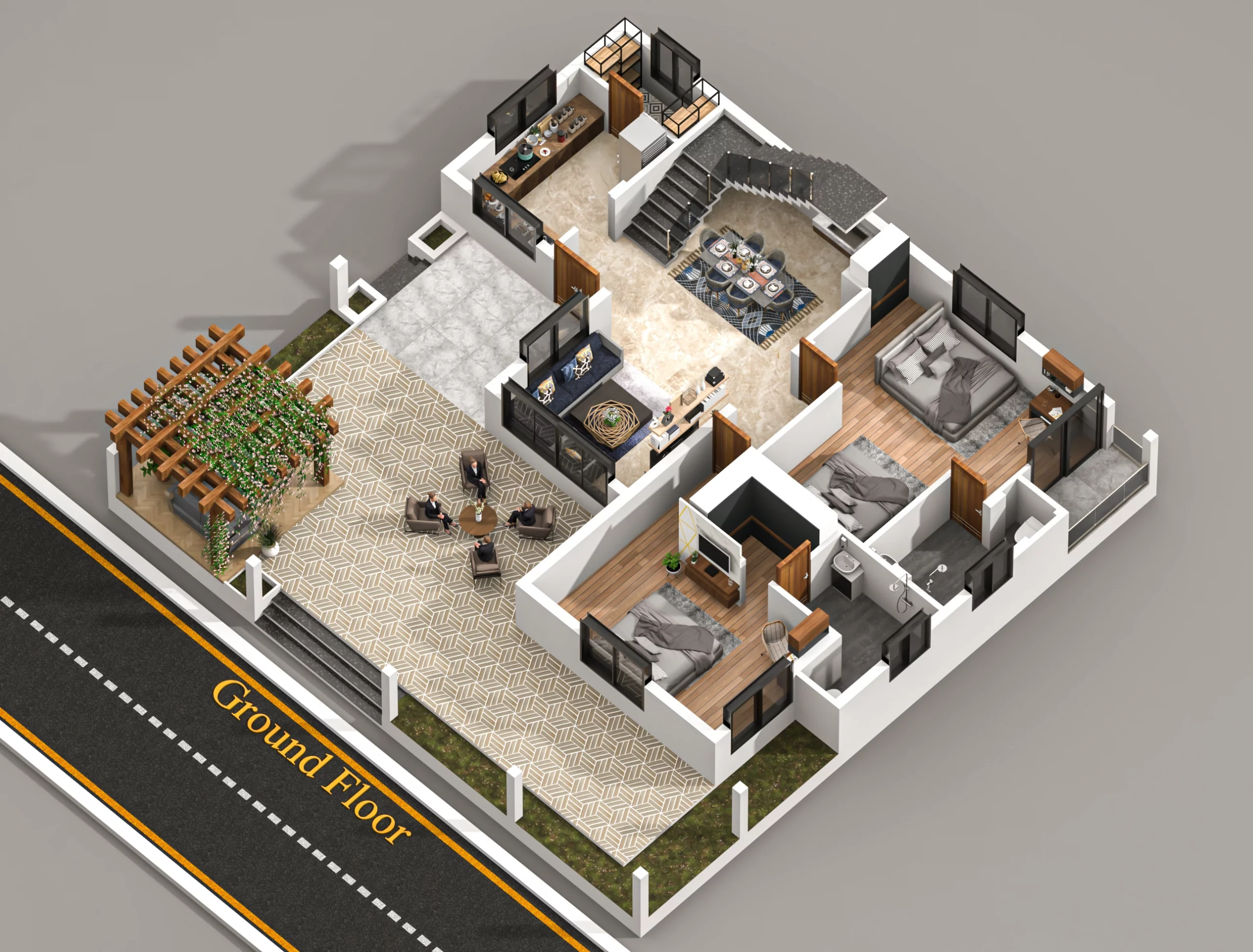
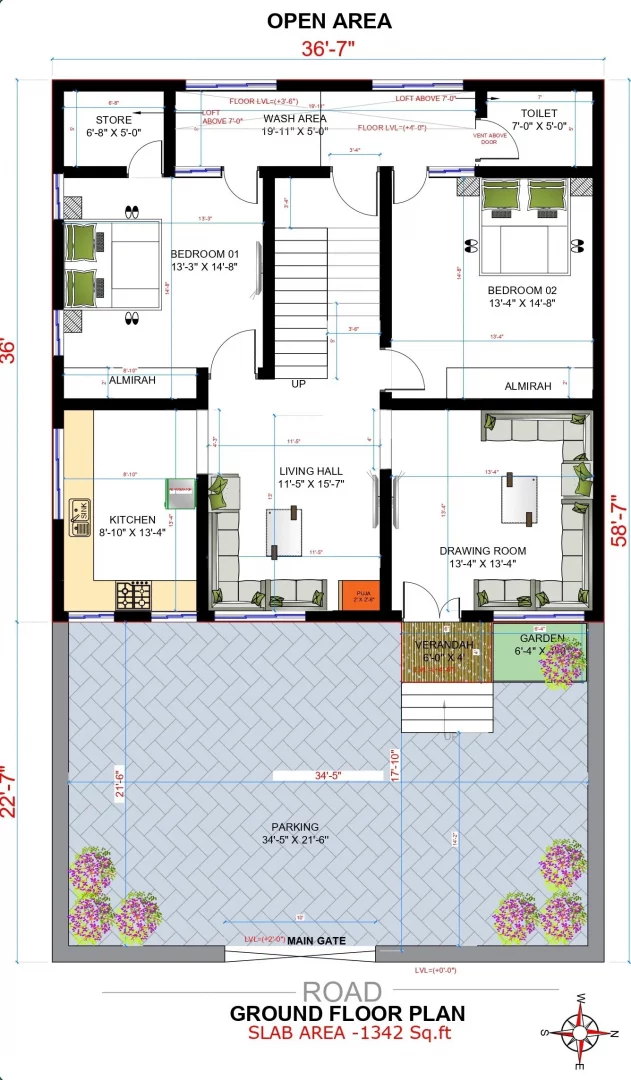
1. Start With a Clear Layout (Don’t Skip This)
Before thinking about interiors or design styles, lock your layout.
Basic layout should include:
- Living area
- Kitchen
- 2 Bedrooms
- 1 or 2 Bathrooms
Real tip: I’ve seen people jump straight to elevation design and regret later when the layout doesn’t feel practical.
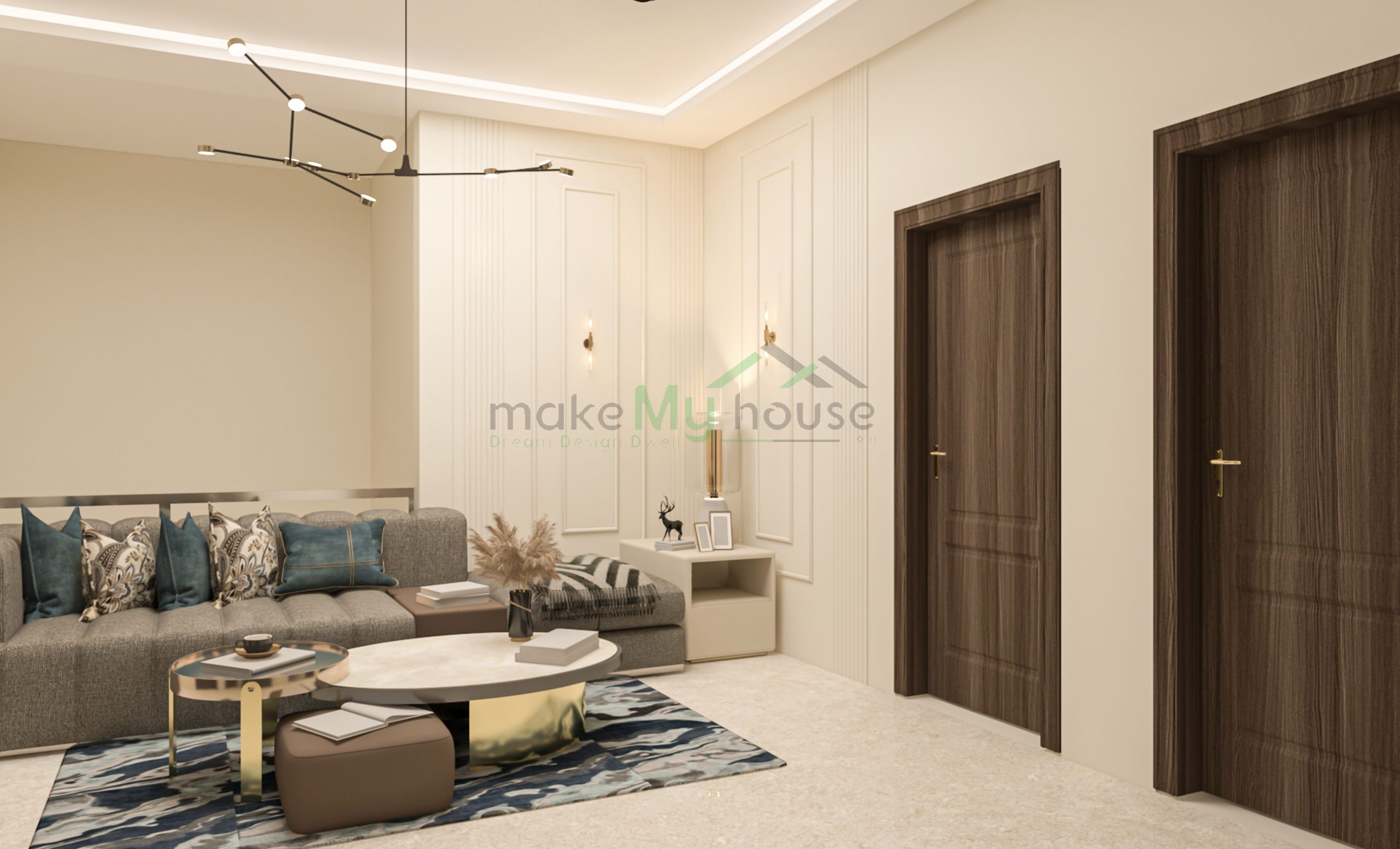
2. Keep the Living Area Open
Walls make small spaces feel smaller.
- Combine living + dining
- Use minimal partitions
- Go for open layout
This one change alone can make your home feel 20–30% more spacious.
3. Choose the Right Bedroom Sizes
Don’t try to make all rooms big.
- Master Bedroom: 10×10 ft
- Second Bedroom: 8×10 ft
From experience: A slightly smaller bedroom with good storage works better than a big empty room.
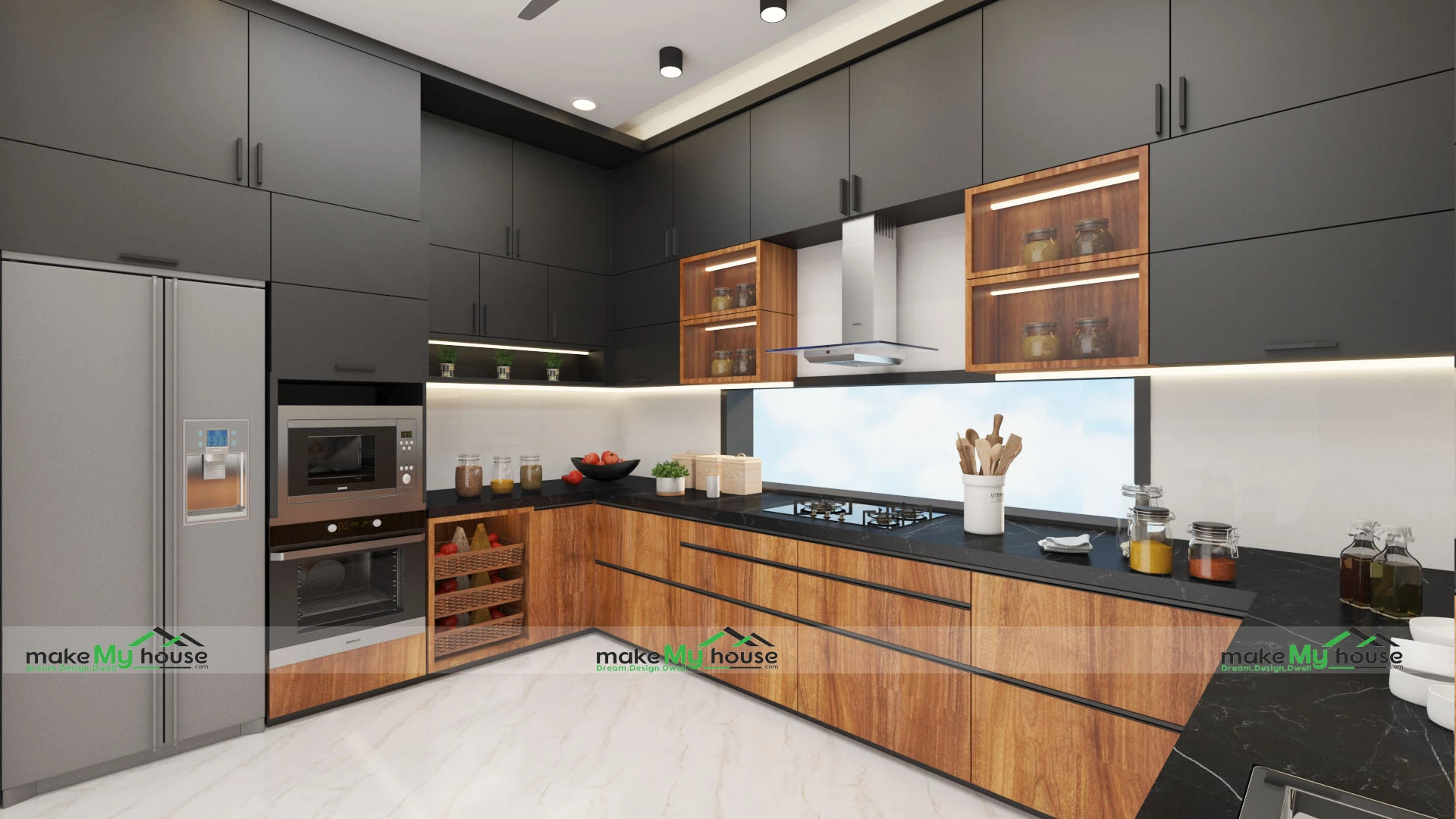
4. Smart Kitchen Planning
Kitchen is where many compact homes fail.
- Use L-shaped layout
- Add overhead cabinets
- Keep proper ventilation
I once visited a tiny house where the kitchen had no window within months, it became uncomfortable to use.
5. Bathroom Planning Matters More Than You Think
- Minimum size: 4×7 ft
- Use wall-mounted fittings
- Keep plumbing aligned
Saves both space and cost.
6. Storage is Your Best Friend
In tiny homes, storage is everything.
- Use beds with storage
- Wall shelves instead of bulky cupboards
- Under-stair storage (if duplex)
Real insight: Lack of storage is the #1 regret in small homes.
7. Go Vertical (If Possible)
If your budget allows:
- Build a duplex
- Use loft spaces
- Add mezzanine for extra storage or study
This is one of the smartest ways to maximize a small footprint.
Best Budget-Friendly 2-Bedroom Tiny House Plan Ideas
Option 1: Simple Single-Floor 2BHK
- Living + dining
- 2 bedrooms
- 1 Kitchen
- 1 Bathroom
Best for:
- Small families
- Elderly-friendly homes
Option 2: Compact Duplex 2BHK
Ground Floor:
- Living
- kitchen
- First Floor:
- 2 bedrooms
Best for:
- Saving ground space
- Better privacy
Option 3: 2BHK with Rental Potential
- Ground floor: 1BHK
- First floor: 1BHK
Great for:
- Extra income
- Future flexibility
Real Experience Tips (Things You Won’t Find Easily)
These come straight from practical work:
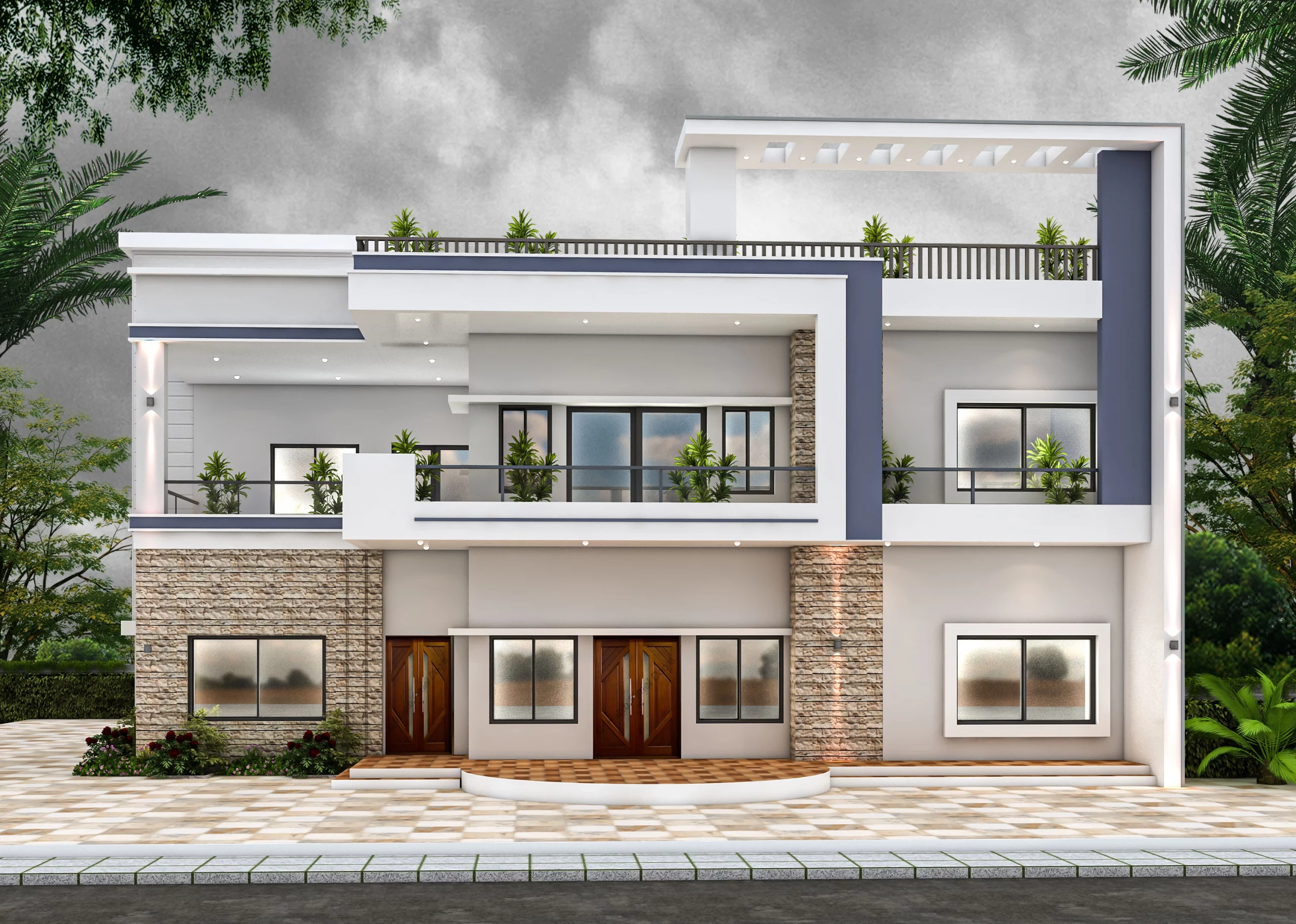
- Don’t overspend on elevation. Focus on layout first
- Keep plumbing and electrical simple
- Use local materials to reduce cost
- Plan future expansion early
I’ve seen clients spend too much on exterior design and then struggle with basic functionality inside.
Common Mistakes to Avoid
1. Trying to fit too much
Leads to cluttered space.
2. Ignoring ventilation
Results in heat and discomfort.
3. Poor storage planning
Daily frustration.
4. Over-designing interiors
Increases cost without real benefit.
5. Copying designs blindly
Every plot and need is different.
FAQs
1. Is a 2-bedroom tiny house enough for a family?
Yes, for small families it works well if planned properly.
2. What is the ideal size for a 2-bedroom tiny house?
Between 500–800 sq ft is practical.
3. Can I build it on a small plot?
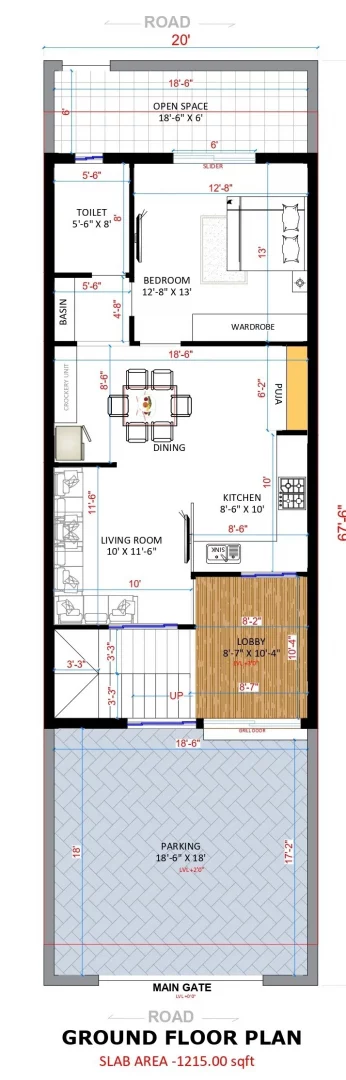
Yes, it works well on plots like 20×30, 20×40, etc.
4. Is duplex better than single floor?
If space is limited, duplex gives better use of area.
5. How to reduce construction cost?
Use simple design, local materials, and avoid unnecessary features.
6. Can I expand later?
Yes, if you plan structure and staircase early.
7. What is the biggest challenge in tiny homes?
Managing storage and maintaining openness.
8. Are tiny homes good for rental?
Yes, very popular for rental income.
Final Thoughts
A small home doesn’t mean a compromised life.
Honestly, I’ve seen people feel more comfortable in a well-planned tiny home than in a poorly designed big house.
With budget-friendly 2-bedroom tiny house plans, the focus shifts from size to smart living.
- Plan your layout carefully
- Think about daily use
- Keep things simple
That’s what makes a house truly livable.